Dance Class Hydration: Breaks and Heat Warning Signs
On this page
Quick answer
Bring an accessible water bottle, begin class normally hydrated, and use regular breaks instead of waiting for severe thirst. Increase caution in hot, humid, poorly ventilated, or unusually intense classes. Stop dancing for dizziness, headache, nausea, weakness, confusion, fainting, or unusual cramps. Confusion, collapse, or very high body temperature can signal a medical emergency.
Before class
Check the studio temperature, ventilation, class intensity, clothing, and break plan. Drink fluids routinely through the day rather than rapidly consuming a large amount immediately before movement. Bring a labeled bottle and know where refills and restrooms are.
This article offers general U.S. safety guidance. Individual fluid needs vary with health, medicines, environment, duration, and sweat rate. People with heart, kidney, endocrine, or fluid-restriction conditions should follow clinician advice.
During class
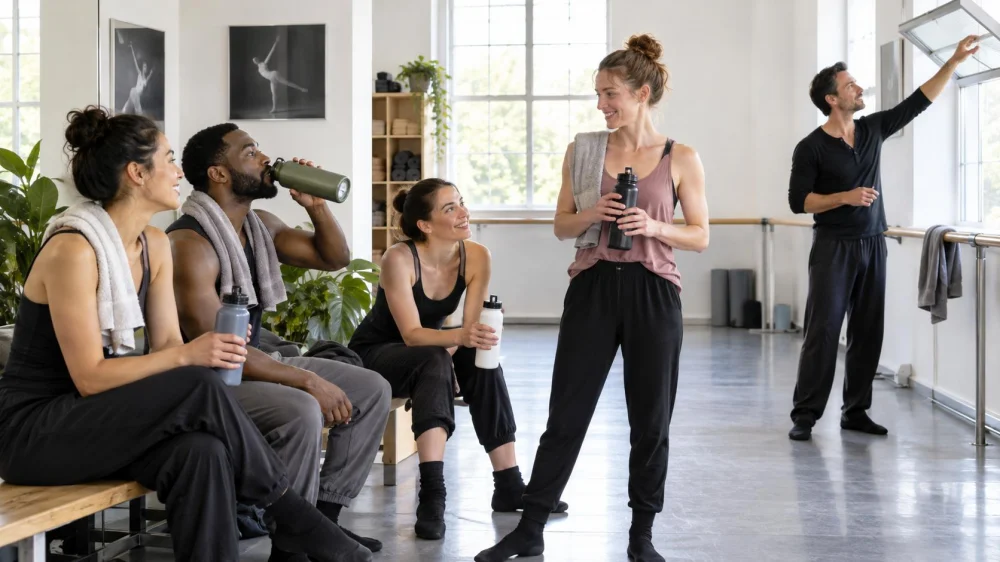
- Place water where it can be reached without crossing active dance lanes.
- Use scheduled short breaks and additional breaks when needed.
- Wear layers that can be removed safely as the body warms.
- Reduce intensity after illness, travel, time away, or a major temperature change.
- Do not share bottles.
Water is appropriate for many ordinary classes. Longer or very sweaty sessions may require a different hydration plan; avoid assuming every dancer needs the same product or amount.
Heat warning signs
Heat exhaustion may involve heavy sweating, weakness, headache, dizziness, nausea, thirst, or reduced urine. Stop activity, move to a cooler place, loosen unnecessary clothing, and cool the person. Seek medical evaluation when symptoms are severe, worsen, or do not improve.
Confusion, altered behavior, collapse, seizure, loss of consciousness, or very high body temperature may indicate heat stroke. Call 911 and begin rapid cooling while waiting for help. Do not leave the person alone or give fluids to someone who is not fully alert.
Studio and instructor plan
- Schedule breaks and state that dancers may take extra water without punishment.
- Monitor room heat and ventilation, especially during crowded classes.
- Adjust pace, repetitions, and clothing expectations when conditions change.
- Keep emergency contacts, first-aid supplies, and an emergency action plan accessible.
- Train staff to recognize heat illness and call for help.
Important limits
More water is not always safer; excessive intake can also cause dangerous electrolyte imbalance. Avoid rigid one-size-fits-all targets. Urine color, thirst, and body-weight changes can provide context but are not perfect diagnostic tools.
Do not use this guide to diagnose symptoms. Chest pain, severe breathing difficulty, fainting, confusion, seizure, or collapse requires urgent action.
Frequently asked questions
Should I wait until I am thirsty?
Use regular opportunities to drink and respond to thirst; do not wait for severe symptoms.
Do I need a sports drink?
Often not for a typical short class. Duration, heat, intensity, sweat, meals, and medical needs affect the choice.
Can I return after dizziness passes?
Do not resume automatically. Rest, cool down, tell the instructor, and seek medical guidance if symptoms are significant or return.
What should parents ask?
Ask about water access, scheduled breaks, room conditions, staff training, and the emergency action plan.
Sources and evidence notes
The CDC heat-illness guide lists warning signs and first-aid actions for heat exhaustion, heat stroke, cramps, fainting, and related conditions. Although written for occupational heat, the symptom and emergency guidance is useful for recognizing danger during physical activity.
Next steps
Pack a filled bottle, learn the studio's break and emergency plan, and note any medical limits. During class, drink at regular breaks, reduce intensity when conditions change, and stop immediately for concerning heat symptoms rather than trying to finish the combination.

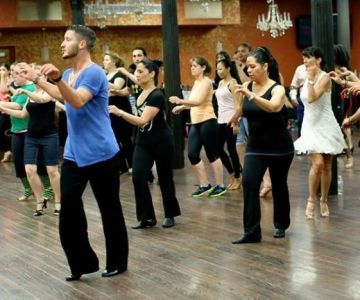

 Ballet San Antonio5.0 (9 reviews)
 Ritmos Latinos UofA Dancing location4.0 (9 reviews)
 Keur Khaleyi African Dance & Cultural Institute, Inc.4.0 (13 reviews)
 Ballet After Dark5.0 (5 reviews)
 V.O.P Dance Studio4.0 (17 reviews)
 Kaliente Dance Studio4.0 (42 reviews)
 Dance Class Hydration: Breaks and Heat Warning Signs
 Partner Dance Boundaries: Consent, Holds, and Rotation
 Dance Class Absences: Makeups, Notes, and Safe Return
 Dance Floor Safety: Surface, Space, and Stop Signals
 Dance Recital Backstage Etiquette: Space, Sound, and Cues
 What to Expect at a Dance Audition: Process and Preparation