- 1-Ballroom Dance Fitness Benefits
- 2-How Ballroom Dance Burns Calories
- 3-Best Ballroom Dance Styles for Calorie Burning
- 4-Factors Affecting Calories Burned During Dancing
- 5-Ballroom Dance vs Traditional Workouts
- 6-Common Mistakes Beginners Make
- 7-Creating an Effective Dance Fitness Routine
- 8-Professional Tips for Long-Term Success
1. Ballroom Dance Fitness Benefits
When most people think about exercise, they often imagine crowded gyms, repetitive treadmill sessions, or lifting weights in a fitness center. While traditional workouts can be effective, many people struggle to stay motivated because the routine feels repetitive. Ballroom dance offers a different approach by combining movement, music, coordination, and social connection into one enjoyable activity.
Ballroom Dance to Burn Calories is becoming increasingly popular among people who want a fun alternative to conventional fitness programs. Instead of counting every minute on an exercise machine, dancers focus on rhythm, technique, and partner connection while their bodies naturally stay active.
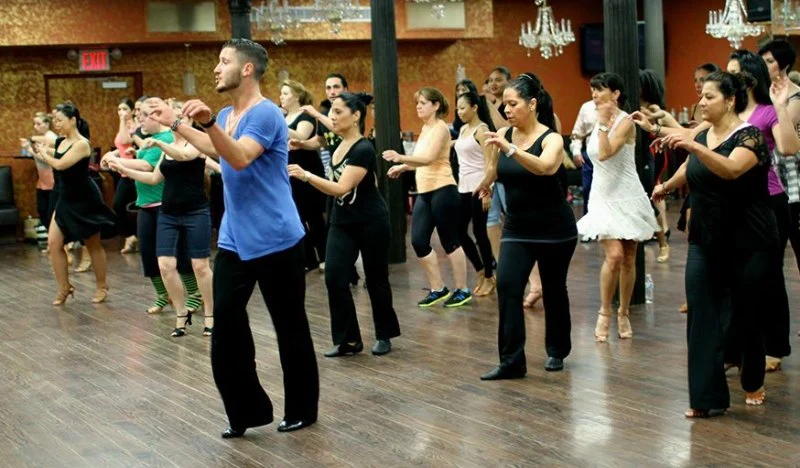
Ballroom dancing includes movements that require continuous footwork, posture control, balance, and muscle engagement. These elements create a full-body workout that can improve cardiovascular endurance, strengthen muscles, and increase flexibility.
Why Ballroom Dance Is a Full-Body Workout
Many beginners underestimate the physical demands of ballroom dancing. A graceful dance performance may appear effortless, but behind every smooth movement are hundreds of controlled muscle actions.
The legs and hips generate most of the movement, while the core maintains stability and posture. The shoulders, arms, and back also work continuously to maintain frame and partner communication. Unlike isolated gym exercises that target one muscle group at a time, ballroom dance encourages the body to work together.
Physical areas improved through ballroom dance include:
Leg strength: Steps, turns, and directional changes engage the thighs, calves, and glutes.
Core stability: Maintaining proper ballroom posture requires abdominal and back muscles to stay active.
Cardiovascular endurance: Continuous dancing increases heart rate and improves stamina.
Flexibility and mobility: Repeated movements encourage better range of motion.
Many students who begin dancing for fun eventually discover improvements in their overall fitness because the activity naturally encourages consistent movement.
2. How Ballroom Dance Burns Calories
The number of calories burned through ballroom dancing depends on several factors, including dance style, intensity, body weight, skill level, and session duration. However, ballroom dance can provide a meaningful calorie-burning workout when practiced consistently.
A beginner practicing basic steps may burn fewer calories compared with an experienced dancer performing advanced routines with faster movements. As dancers improve their technique, they usually move more efficiently and can handle longer sessions with greater intensity.
The Science Behind Calorie Burning During Dance
Calories are burned when the body uses energy to support physical activity. During ballroom dancing, the body continuously adjusts balance, controls movement, and responds to music. These constant adjustments require energy consumption.
For example, a slow ballroom style such as a beginner Waltz may focus more on control, posture, and graceful movement. A faster style such as Quickstep or Cha-Cha requires quicker footwork and higher cardiovascular effort.
Average Calorie Considerations for Different Dance Intensities
While individual results vary, many dancers can expect ballroom dance sessions to provide a workout similar to moderate aerobic activities.
A relaxed practice session may focus on technique and coordination, while an energetic social dance night can become a surprisingly demanding workout. Competitive dancers often train for several hours because routines require strength, endurance, and precision.
The key advantage is consistency. A person who enjoys dancing is more likely to practice regularly compared with someone forcing themselves through an exercise routine they dislike.
3. Best Ballroom Dance Styles for Calorie Burning
Not all ballroom dances create the same physical demands. Some styles emphasize smooth movements and control, while others involve fast steps and energetic patterns.
Latin Ballroom Dances
Latin styles are often considered excellent choices for people interested in Ballroom Dance to Burn Calories because they combine fast rhythms with dynamic body movement.
Cha-Cha
Cha-Cha features quick footwork, hip action, and constant weight changes. Beginners often notice that even basic practice can raise their heart rate quickly.
Salsa-Inspired Ballroom Movement
Although salsa is not part of traditional International Ballroom categories, many dance fitness programs include salsa-style movements because they are energetic and enjoyable. These patterns encourage continuous motion and coordination.
Rumba
Rumba is slower but physically challenging because dancers must maintain control, balance, and strong posture throughout each movement.
Standard Ballroom Dances
Quickstep
Quickstep is one of the most physically demanding ballroom styles. The combination of traveling movements, rapid steps, and continuous motion creates a high-energy workout.
Viennese Waltz
The spinning movements and traveling patterns of Viennese Waltz require stamina and balance. Dancers develop strong legs and improved coordination through regular practice.
Tango
Tango requires sharp movements, controlled weight transfers, and strong posture. While it may appear dramatic rather than athletic, it demands significant body control.
4. Factors Affecting Calories Burned During Dancing
Two people can participate in the same ballroom class and burn different amounts of energy. Understanding these factors helps dancers create realistic fitness goals.
Body Weight and Energy Use
Body weight influences how much energy is required during movement. A heavier person generally uses more energy during physical activity because the body must move additional mass.
Dance Technique and Intensity
Beginners often focus on remembering steps, which can make their movements smaller and slower. As technique improves, dancers usually develop stronger movement patterns, allowing them to dance with greater intensity.
Practice Duration
A short practice session can improve coordination, but longer sessions provide greater cardiovascular benefits. Many dancers find that combining regular classes with social dancing creates a sustainable fitness habit.
5. Ballroom Dance vs Traditional Workouts
Choosing the right exercise depends on personal goals and preferences. Ballroom dance does not replace every type of training, but it provides unique benefits that many traditional workouts lack.
Mental Benefits Beyond Physical Fitness
Exercise is not only about physical changes. Many people continue ballroom dancing because it improves confidence, reduces stress, and creates social connections.
Learning choreography, remembering patterns, and communicating with a partner can stimulate the brain while the body stays active.
Why Enjoyment Matters
The most effective fitness routine is the one people actually continue. A person who enjoys dancing may practice several times per week without feeling like they are forcing themselves to exercise.
For beginners looking for structured guidance, American Dance Academy can be a helpful place to explore dance training options, develop proper technique, and discover a style that matches personal fitness goals.
6. Common Mistakes Beginners Make
Mistake 1: Focusing Only on Steps
Many new dancers believe memorizing choreography is the main goal. However, ballroom dance is built on posture, timing, balance, and connection.
Ignoring technique can reduce the physical benefits because proper movement creates stronger muscle engagement.
Mistake 2: Skipping Warm-Up
Dance requires flexibility and joint movement. A proper warm-up prepares muscles and reduces the chance of discomfort during practice.
Mistake 3: Expecting Immediate Results
Like any fitness activity, ballroom dance requires patience. Physical changes develop through consistent practice rather than a single class.
7. Creating an Effective Dance Fitness Routine
Beginner Weekly Plan
A beginner-friendly routine might include two or three dance sessions each week combined with stretching and general movement activities.
The goal is not maximum intensity every day. Sustainable progress comes from creating a routine that fits naturally into daily life.
Progressing Skills Over Time
As confidence grows, dancers can increase practice duration, learn more challenging styles, and participate in social events or performances.
Each new skill creates additional physical challenges and keeps training interesting.
8. Professional Tips for Long-Term Success
Focus on Enjoyment
The biggest advantage of ballroom dance fitness is that it does not feel like traditional exercise. Music, creativity, and social interaction make the experience rewarding.
Track Progress Realistically
Fitness improvements may appear through better stamina, improved posture, increased confidence, and stronger movement before noticeable physical changes occur.
Build Confidence Through Learning
Every dancer starts as a beginner. The first steps may feel uncomfortable, but consistent practice transforms uncertainty into confidence.
Ballroom Dance to Burn Calories is more than a fitness method. It is a lifestyle approach that combines movement, creativity, and personal growth. Whether someone wants to improve health, meet new people, or simply enjoy music in a new way, ballroom dancing offers a rewarding path toward a more active life.
 Cooke County Ballet Academy4.0 (6 reviews)
 atdStudios5.0 (19 reviews)
 Philadelphia Dance Connection4.0 (22 reviews)
 Kilgore College4.0 (87 reviews)
 Level Up Dance Academy5.0 (6 reviews)
 Soul 2 Sole Dance Inc5.0 (9 reviews)
 Bachata Cultural Origins: Step by Step Guide to Its Roots and Evolution
 Why Swing Dance Is Popular & You Can Learn at Home
 Top 10 Salsa Moves for College Students to Master Quickly
 Can We Film in the Kaufman School of Dance USC? Here’s What You Need to Know
 What Is Homecoming Dance in High School? Everything Students Should Know
 Contemporary Dance for Adults – What You Need to Know for a Great Start