
- 1-origins-of-contemporary-dance-for-couples
- 2-evolution-from-modern-dance-to-partner-performance
- 3-how-couples-transformed-contemporary-dance
- 4-key-elements-of-partner-contemporary-dance
- 5-famous-couples-and-influential-moments
- 6-emotional-connection-and-communication-through-dance
- 7-contemporary-dance-for-couples-today
- 8-learning-and-experiencing-contemporary-couple-dance
1. Origins of Contemporary Dance for Couples
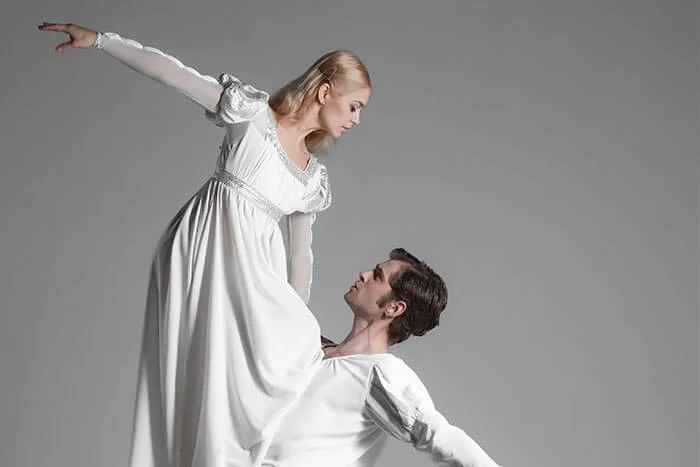
The history of contemporary dance for couples is a story about connection, creativity, and the continuous search for new ways to express human emotions through movement. Unlike traditional ballroom styles that often follow strict rules and established patterns, contemporary partner dance developed as artists began exploring freedom, individuality, and deeper emotional storytelling.
Contemporary dance emerged during the early 20th century as a response to classical ballet traditions. Many dancers felt that ballet’s structured movements could not fully represent modern experiences, personal struggles, or everyday human emotions. They began experimenting with natural movements, expressive gestures, and unconventional choreography.
Although early contemporary dance was often performed individually, the idea of two people moving together gradually became an important artistic exploration. Couples discovered that physical interaction could create powerful stories without relying on traditional romantic dance formulas.
The Influence of Early Modern Dance
The roots of contemporary dance can be traced to pioneers who challenged traditional performance expectations. Dancers such as Isadora Duncan, Martha Graham, and other modern dance innovators introduced more emotional and natural movement styles.
These early artists emphasized the body’s ability to communicate feelings. Instead of focusing only on perfect technique, they explored breathing, weight shifts, gravity, and personal expression. These concepts later became essential elements in contemporary dance for couples.
When two dancers began applying these principles together, the relationship between partners changed. The goal was no longer simply to perform synchronized movements. Instead, couples learned to listen, respond, and create a shared physical conversation.
The Beginning of Partner-Based Contemporary Expression
Traditional partner dances usually define specific roles, such as one person leading and another following. Contemporary dance introduced a different approach where both partners could contribute equally to the creative process.
This shift allowed couples to explore trust, balance, and emotional connection. A movement could represent support, conflict, discovery, or vulnerability. The partnership itself became part of the artistic message.
2. Evolution From Modern Dance to Partner Performance
The evolution of contemporary dance for couples reflects broader changes in society and artistic thinking. As performers searched for more authentic forms of expression, partner choreography became increasingly experimental.
Breaking Traditional Dance Rules
During the mid-20th century, many choreographers began questioning traditional ideas about how dancers should move together. They explored unconventional lifts, floor work, improvisation, and unusual spatial relationships.
Instead of creating performances where couples simply appeared elegant and coordinated, artists began showing realistic human relationships. Movements could represent conversations, disagreements, memories, or emotional transformations.
This approach helped contemporary partner dance become more than entertainment. It became a way to tell complex stories through the body.
The Role of Improvisation
Improvisation became one of the defining features of contemporary dance. Couples learned to respond to each other in real time rather than following every movement exactly as planned.
For example, one dancer may shift their weight unexpectedly, and the other responds naturally. This creates a sense of discovery that makes each performance unique.
Many contemporary dance couples describe this process as similar to having a conversation without words. The dancers communicate through timing, touch, eye contact, and movement choices.
3. How Couples Transformed Contemporary Dance
Couples have played an important role in shaping the development of contemporary dance. When two dancers share a personal connection, their performances often reveal a deeper level of trust and understanding.
From Performance Partners to Creative Collaborators
In many successful contemporary dance partnerships, couples are not only performers but also creative collaborators. They work together to develop choreography, explore themes, and create new movement languages.
This collaboration allows each dancer’s personality to influence the final performance. One partner may bring strength and energy, while the other contributes softness and emotional detail.
The result is a balanced exchange rather than a competition between performers.
Real Stories Behind Partner Dance
Many audiences connect with contemporary couple dance because the emotions often feel genuine. Viewers can recognize familiar experiences such as love, separation, support, and personal growth.
A memorable performance does not require a complicated storyline. Sometimes a simple movement, such as one dancer helping another stand or moving away before returning, can communicate powerful emotions.
This emotional honesty is one reason contemporary dance continues to attract couples who want to express their relationship creatively.
4. Key Elements of Partner Contemporary Dance
Understanding the essential elements of contemporary dance for couples helps explain why this style is both challenging and rewarding.
1. Connection and Trust
Trust is the foundation of partner contemporary dance. Many movements require dancers to depend on each other physically and emotionally.
A partner may need to support another dancer’s weight, guide a transition, or respond quickly to an unexpected movement. Without communication and confidence, these actions become difficult.
2. Weight Sharing and Balance
Unlike many traditional dance forms, contemporary couples often explore weight exchange. Partners may lean into each other, create counterbalances, or move together through shared momentum.
These techniques create visually interesting performances while encouraging dancers to develop awareness of their partner’s body and movement.
3. Emotional Storytelling
Contemporary dance focuses heavily on meaning. Every movement can communicate an idea, emotion, or experience.
Couples often use choreography to explore themes such as relationships, personal identity, change, and human connection. This storytelling ability separates contemporary partner dance from purely technical performance.
5. Famous Couples and Influential Moments
Throughout dance history, many creative partnerships have influenced how audiences understand contemporary movement.
Creative Partnerships That Changed Dance
Some of the most memorable contemporary performances have come from dancers who developed strong artistic partnerships. Their work demonstrated that two performers could create something greater through collaboration.
These partnerships helped inspire new generations of dancers to explore contemporary dance as a shared creative experience.
The Growth of Contemporary Dance Competitions and Shows
Television programs, international competitions, and online platforms have also introduced contemporary couple dance to wider audiences.
Performances shared online have allowed people around the world to discover expressive partner choreography. Many couples now begin learning contemporary dance after seeing inspiring performances online.
This increased visibility has contributed to the growth of contemporary dance studios and training programs throughout the United States.
6. Emotional Connection and Communication Through Dance
One of the most unique aspects of contemporary dance for couples is the way it strengthens communication. Dancing together requires awareness, patience, and emotional openness.
Building Stronger Relationships Through Movement
Many couples discover that dance improves their relationship outside the studio. Learning choreography together requires listening and adapting, skills that are valuable in everyday life.
When partners practice movement, they learn how to understand each other without speaking. This creates a different type of connection that goes beyond conversation.
Dance as a Shared Experience
For many couples, contemporary dance becomes a personal journey rather than simply a hobby. The process of learning, making mistakes, improving, and performing together creates meaningful memories.
Whether preparing for a stage performance or simply attending weekly classes, couples often find that dance provides a creative space where they can grow together.
7. Contemporary Dance for Couples Today
Today, contemporary dance for couples continues to evolve. Modern dancers combine influences from ballet, jazz, hip-hop, theater, and even everyday movement to create new styles.
Accessibility for Beginners
One important change in recent years is that contemporary dance has become more accessible. Couples no longer need professional training to experience this art form.
Beginner classes focus on basic movement principles, body awareness, and partner communication. Many students discover that creativity and willingness to learn are more important than previous dance experience.
The Role of Dance Studios
Professional studios provide structured environments where couples can develop technique and confidence. Places like American Dance Academy help dancers explore different styles while learning from experienced instructors.
For couples interested in contemporary movement, joining a supportive dance community can make the learning process more enjoyable and inspiring.
8. Learning and Experiencing Contemporary Couple Dance
Starting contemporary dance as a couple can be an exciting adventure. The most important step is approaching the experience with curiosity rather than focusing only on perfection.
Finding the Right Learning Environment
A good dance environment should encourage creativity, confidence, and teamwork. Beginners benefit from instructors who explain movement clearly and create a comfortable atmosphere.
Developing Skills Over Time
Contemporary dance requires patience. Balance, coordination, flexibility, and emotional expression improve through consistent practice.
Many couples find that progress happens gradually. Small improvements, such as better timing or stronger communication, eventually lead to more expressive performances.
The Continuing Future of Couple Contemporary Dance
The history of contemporary dance for couples shows how movement continues to adapt with changing generations. What began as a challenge to traditional dance structures has become a powerful form of connection and creativity.
As more people discover the joy of moving together, contemporary partner dance will continue to grow. It represents more than choreography—it represents trust, communication, imagination, and the unique story created when two people move as one.
 Dixon's Dance Academy5.0 (5 reviews)
 Spirit Factory4.0 (20 reviews)
 The Turning Pointe Dance Studio5.0 (28 reviews)
 John S. Davidson Fine Arts Magnet School4.0 (98 reviews)
 Cerrito Dance Arts Center5.0 (3 reviews)
 Doherty Petri School of Irish Dancing4.0 (26 reviews)
 Bollywood Dance for Couples: Expert Tips for Romantic and Confident Partner Dancing
 Are There School Dances in 7th Grade? Everything Parents & Students Should Know
 Can Dance Schools Reopen in NJ? What Parents and Students Should Know
 Top 10 Bachata Moves for College Students
 Samba for Couples: Common Mistakes to Avoid
 Are School Dances for Low Income Students Beneficial? Full Guide to Impact and Inclusion