- why-kids-love-samba-dance
- benefits-of-samba-for-children
- basic-samba-preparation
- top-10-samba-moves-for-kids
- how-to-practice-samba-at-home
- choosing-samba-lessons-for-kids
Why Kids Love Samba Dance
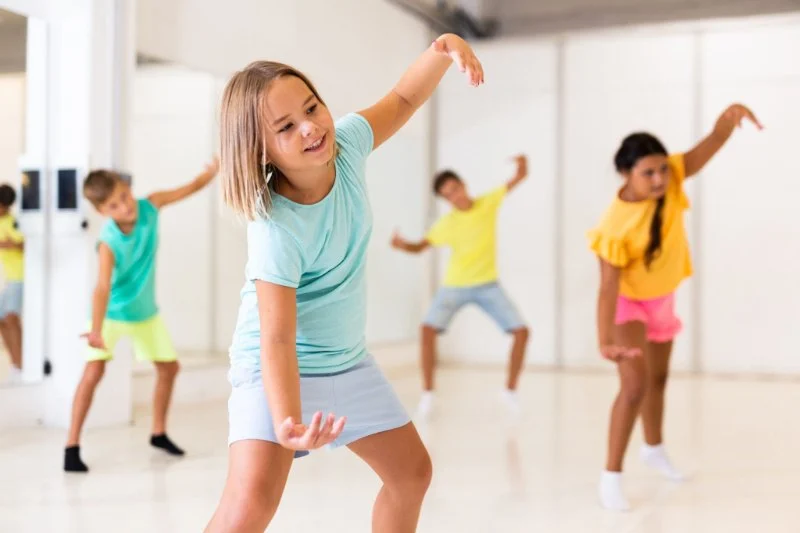
Samba is one of the most energetic and joyful dance styles in the world. With its lively rhythms, colorful traditions, and expressive movements, samba naturally attracts children who enjoy music, movement, and creative activities. Many parents look for activities that help their children stay active while developing confidence, coordination, and social skills. Learning samba can provide all of these benefits while allowing kids to have fun.
The Top 10 Samba Moves for Kids are designed to introduce young dancers to the foundations of Brazilian samba in a simple and enjoyable way. Unlike some dance styles that focus heavily on strict technique from the beginning, samba encourages children to explore rhythm, personality, and self-expression. A child does not need to be an experienced dancer to start learning samba. With patience and practice, beginners can quickly discover the excitement of moving with music.
Many children are naturally drawn to samba because the dance feels like a celebration. The upbeat percussion, quick footwork, and playful movements create an environment where kids can feel comfortable expressing themselves. Whether they are performing at a school event, joining a dance class, or simply dancing at home, samba gives children a chance to build positive memories through movement.
The Cultural Connection Behind Samba
Samba has deep roots in Brazilian culture and represents community, celebration, and creativity. Introducing children to samba is not only about teaching dance steps but also about helping them appreciate another culture. Kids can learn about Brazilian music, traditions, costumes, and the importance of rhythm in everyday celebrations.
For many young dancers, learning samba becomes more than an exercise routine. It becomes a way to connect with music and understand how dance can tell a story. This cultural connection makes samba especially meaningful for children who enjoy learning through experience.
Benefits of Samba Dance for Children
1. Improving Coordination and Balance
Samba requires dancers to coordinate their feet, arms, hips, and upper body at the same time. For children, this is an excellent way to improve body awareness and balance. Simple samba steps teach kids how different parts of their bodies work together, which can benefit other activities such as sports and playground games.
Many dance instructors notice that children who practice samba regularly become more comfortable with movement. They often develop better posture, stronger rhythm recognition, and improved confidence when learning new physical skills.
2. Building Confidence Through Performance
One of the greatest advantages of samba for kids is the opportunity for self-expression. Children learn that dance is not only about performing steps correctly but also about showing personality and enjoying the music.
A shy child may initially hesitate to dance in front of others, but samba’s playful nature often helps them relax. Over time, practicing samba moves can encourage children to feel more comfortable presenting themselves in front of classmates, family members, or audiences.
3. Developing Social Skills
Group samba classes encourage teamwork and communication. Children learn how to follow instructions, practice together, and support their classmates. These experiences can help them develop patience and cooperation.
Dance studios often become communities where children make friends while working toward shared goals. At American Dance Academy, young dancers can explore different styles while learning in a supportive environment designed to encourage growth and creativity.
Basic Preparation Before Learning Samba Moves
Learning the Samba Rhythm
Before practicing specific samba moves, children should understand the basic rhythm. Samba music often has a fast, energetic beat that encourages quick but controlled movements. Beginners should focus on listening to the music first rather than trying to move too quickly.
A helpful exercise is allowing children to clap along with samba music. Once they recognize the beat, they can begin adding simple steps. Developing musical awareness makes learning dance movements much easier.
Choosing Comfortable Dance Clothing
Children should wear clothing that allows easy movement. Comfortable shoes, flexible pants, and breathable shirts help young dancers focus on learning rather than adjusting uncomfortable outfits.
For performances, samba costumes may include bright colors and decorative details inspired by Brazilian celebrations. However, beginners should prioritize comfort and freedom of movement during practice sessions.
Top 10 Samba Moves for Kids
1. Basic Samba Step
The basic samba step is the foundation of many samba routines. It teaches children how to shift weight quickly from one foot to another while maintaining rhythm.
To practice:
1. Stand with feet comfortably apart.
2. Step lightly forward or backward while transferring weight.
3. Keep knees relaxed and allow natural bouncing movement.
4. Repeat slowly before increasing speed.
This move helps kids understand the feeling of samba timing and prepares them for more advanced combinations.
2. Samba Bounce
The samba bounce creates the energetic feeling that makes samba recognizable. Instead of jumping, dancers use controlled knee movement to create a smooth bounce.
Children should focus on staying relaxed. A common beginner mistake is becoming too stiff. The goal is to move naturally with the music while keeping control.
3. Side Samba Walk
The side samba walk introduces children to traveling movements. Dancers step sideways while maintaining the samba rhythm.
This move improves spatial awareness because children learn how to move safely while maintaining their position in a group. It is especially useful for dance performances where multiple dancers share the same space.
4. Samba Hip Movement
The hip movement is an important characteristic of samba. For children, instructors usually introduce this movement gradually so they can feel comfortable with the style.
The focus should be on natural body movement rather than forcing exaggerated motions. When taught correctly, this move helps children become more expressive dancers.
5. Samba Arm Patterns
Arm movements add personality and energy to samba dancing. Kids can practice simple arm patterns by moving their arms in rhythm with their steps.
This helps improve coordination because children must combine upper-body movements with footwork.
6. Samba Turn
Simple turns are exciting for children because they make routines feel more dynamic. Beginners should practice turning slowly while keeping their balance.
Teachers often encourage kids to spot a fixed point while turning to help prevent dizziness and improve control.
7. Traveling Samba Step
The traveling samba step combines movement across the floor with traditional samba rhythm. It allows children to explore how dancers use space during performances.
This move can be adapted for different skill levels, making it suitable for beginners and more experienced young dancers.
8. Samba Knee Lift
The samba knee lift adds variety and helps strengthen leg coordination. Children can practice lifting one knee while maintaining the beat.
This movement can also improve balance and body control when practiced consistently.
9. Partner Samba Movement
Partner movements teach children how to interact with another dancer. They learn timing, cooperation, and awareness of someone else’s movement.
Partner samba activities are often enjoyable because children feel like they are part of a team rather than practicing alone.
10. Samba Freestyle Expression
The final samba move is not a specific step but an opportunity for creativity. Children can combine movements they have learned and create their own short routines.
Freestyle dancing encourages imagination and helps kids understand that dance is a form of personal expression.
How to Practice Samba at Home
Creating a Fun Practice Environment
Parents can encourage samba learning by creating a positive practice space at home. A small open area is enough for children to review steps and experiment with movement.
Practice sessions do not need to be long. Ten to twenty minutes of focused practice can help children improve while keeping the activity enjoyable.
Using Music to Improve Rhythm
Listening to samba music regularly helps children become familiar with the rhythm. Encourage them to clap, move, and experiment without worrying about perfection.
The goal is to develop a natural connection between music and movement.
Celebrating Small Improvements
Children learn best when they feel encouraged. Celebrating progress, whether learning a new step or improving confidence, helps create a positive relationship with dance.
Every child develops at a different pace. Some may quickly learn footwork, while others may shine through creativity and performance expression.
Choosing Samba Lessons for Kids
What Parents Should Look For
When selecting samba lessons for children, parents should consider the instructor’s experience, teaching style, and ability to create a welcoming environment.
A good children’s dance program focuses on both technique and enjoyment. Kids should feel motivated to participate while learning proper movement skills.
Why Expert Instruction Matters
Professional instructors can help children learn samba safely and correctly. They provide guidance on posture, rhythm, coordination, and performance skills.
At American Dance Academy, children can explore dance in a structured setting where creativity and confidence are encouraged. A supportive dance environment helps young performers build skills that extend beyond the studio.
A Young Dancer’s Samba Journey
Many children begin dance classes feeling nervous. A common story among young dancers is starting with uncertainty and gradually discovering confidence through practice.
For example, a child who initially avoided performing in front of others may begin by learning simple samba steps in class. After several weeks, that same child may volunteer to participate in a group performance because they feel proud of their progress.
These experiences show that samba is not only about learning movements. It is about helping children discover confidence, creativity, and the joy of achievement.
Why Samba Is a Great Choice for Young Dancers
Samba combines music, movement, culture, and creativity in a way that naturally appeals to children. The Top 10 Samba Moves for Kids provide a strong starting point for young dancers who want to explore this exciting style.
Whether a child dreams of performing on stage or simply wants a fun activity after school, samba offers valuable physical and emotional benefits. With supportive instruction and regular practice, children can develop skills that remain valuable throughout their lives.
 Van Hanh Lion Dance Team5.0 (2 reviews)
 Lighthouse Dance5.0 (32 reviews)
 Tease Studio4.0 (257 reviews)
 Fred Astaire Dance Studios4.0 (37 reviews)
 Rachael's Dance Unlimited4.0 (16 reviews)
 Storm Dance Alliance4.0 (46 reviews)
 Why Cha Cha Is Popular to Improve Flexibility in Dance
 Why Samba Is Popular: Cultural Origins and Influence
 Are There Private Schools Just for Dance? Explore Your Options
 Ballet for College Students – Complete Guide
 Ballroom Dance to Burn Calories: Complete Fitness Guide
 Why Foxtrot Is Popular and Its Cultural Origins | American Dance Academy