
- #understanding-contemporary-dance-basics
- #learning-essential-contemporary-dance-techniques
- #step-by-step-contemporary-dance-training
- #developing-body-control-and-emotional-expression
- #creating-your-own-contemporary-choreography
- #real-stories-from-contemporary-dancers
- #american-dance-academy-for-dance-growth
Understanding Contemporary Dance and Why It Continues to Grow
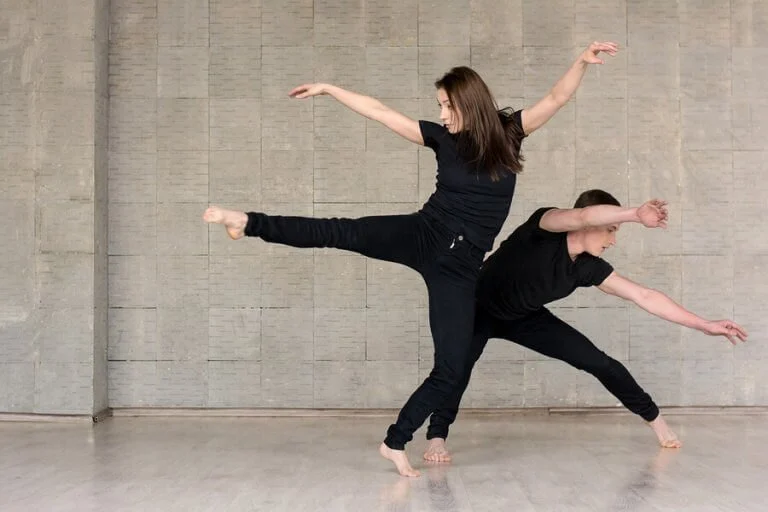
Contemporary dance is one of the most expressive and creative forms of movement in the world today. Unlike traditional dance styles that often follow strict rules and established patterns, contemporary dance encourages dancers to explore emotions, personal experiences, and unique ways of moving.
For beginners, starting contemporary dance can feel both exciting and challenging. The movements may look simple when watching professional dancers perform, but behind every gesture is a combination of technique, strength, balance, flexibility, and emotional storytelling.
This contemporary dance step by step guide is designed to help beginners understand the foundation of this art form, learn important techniques, and discover how dancers transform simple movements into powerful performances.
1.1 What Makes Contemporary Dance Different From Other Styles
Contemporary dance developed by combining elements from several dance traditions, including modern dance, ballet, jazz, and improvisation. Instead of focusing only on perfect positions or fixed routines, contemporary dancers explore how the body naturally moves through space.
One of the biggest differences is freedom of expression. A contemporary dancer may use flowing movements, sharp changes, floor work, unusual body shapes, and emotional storytelling to communicate an idea.
The purpose is not only to perform steps correctly. The purpose is to create a connection between movement and meaning.
1.2 The Role of Emotion in Contemporary Movement
Many people are surprised to learn that contemporary dance is not only physical training. It is also a form of communication.
A dancer can express feelings such as joy, loneliness, conflict, hope, or personal transformation without saying a single word. The audience understands the story through body language, timing, and energy.
This emotional quality is one reason contemporary dance has become popular worldwide. It allows both dancers and audiences to experience performances on a personal level.
Learning Essential Contemporary Dance Techniques
Before creating complex choreography, dancers need to develop a strong technical foundation. Even though contemporary dance encourages creativity, technique provides the control needed to express ideas safely and effectively.
2.1 Understanding Weight Transfer and Body Awareness
One of the most important skills in contemporary dance is learning how to control body weight. Unlike some dance styles that emphasize staying upright and controlled, contemporary movement often explores shifting balance and using gravity.
Beginners practice moving weight from one part of the body to another. This may include:
- Shifting weight between feet
- Moving smoothly from standing positions to the floor
- Using momentum to create natural movement
- Maintaining control during transitions
Body awareness helps dancers understand where movement begins and how energy travels through the body.
2.2 Learning Floor Work Fundamentals
Floor work is a defining feature of many contemporary dance performances. It allows dancers to explore different levels and create more dynamic movement patterns.
Beginners often start with simple exercises that teach safe ways to move close to the ground. These exercises improve coordination, strength, and confidence.
Proper technique is essential because floor movements require dancers to protect their joints and use their muscles correctly.
2.3 Exploring Improvisation and Creative Movement
Improvisation is another important part of contemporary dance training. It allows dancers to experiment without worrying about creating a perfect sequence immediately.
Many professional choreographers use improvisation sessions to discover new ideas. A small movement created during improvisation can eventually become the foundation of an entire performance.
For beginners, improvisation helps develop confidence and encourages personal creativity.
Step-by-Step Contemporary Dance Training for Beginners
Learning contemporary dance requires patience and consistent practice. Progress does not happen by memorizing movements quickly. It happens by developing physical skills while understanding how movement communicates emotion.
3.1 Step 1: Build Strength and Flexibility
A strong physical foundation allows dancers to perform movements with greater control. Contemporary dancers often train their core muscles, legs, arms, and flexibility.
Important training areas include:
- Core stability for balance
- Leg strength for jumps and transitions
- Flexibility for extended movements
- Body alignment for injury prevention
Strength training does not mean building large muscles. It means developing functional strength that supports movement quality.
3.2 Step 2: Practice Basic Movement Patterns
Beginners should focus on mastering simple movements before attempting advanced choreography.
Common beginner exercises include:
- Walking patterns with different emotional qualities
- Spiral movements through the spine
- Controlled turns and direction changes
- Slow transitions between levels
These exercises may seem basic, but they create the foundation for more advanced contemporary techniques.
3.3 Step 3: Learn Musicality and Rhythm
Contemporary dance does not always follow music in a traditional way. Sometimes dancers move against the rhythm, respond to silence, or use unexpected timing.
Learning musicality means understanding how sound influences movement. A dancer should listen to changes in energy, emotion, and atmosphere rather than only counting beats.
3.4 Step 4: Combine Technique With Personal Expression
Once dancers understand basic techniques, the next step is developing individuality.
Two dancers can perform the same choreography but create completely different experiences. One dancer may emphasize softness and emotion, while another may focus on power and intensity.
This personal interpretation is what makes contemporary dance unique.
Developing Body Control and Emotional Expression
A major part of learning contemporary dance is understanding that movement quality matters as much as movement accuracy.
A technically perfect step can feel empty without emotion, while a simple movement can become unforgettable when performed with genuine feeling.
4.1 Connecting Breath With Movement
Breathing is often overlooked by beginners, but professional dancers understand its importance. Breath can influence timing, relaxation, and emotional intensity.
For example, a slow breath may create a feeling of calmness, while a sharp breath can enhance dramatic movement.
4.2 Using Facial Expression and Body Language
Contemporary dancers communicate through the entire body. Facial expression, posture, and eye focus all contribute to storytelling.
A dancer's hands, shoulders, and even the direction of their gaze can change the meaning of a movement.
4.3 Developing Confidence Through Performance Practice
Many beginners feel nervous when performing because contemporary dance requires vulnerability. Unlike styles that focus mainly on technical display, contemporary dance often reveals personal emotions.
Regular performance practice helps dancers become more comfortable sharing their artistic voice.
Creating Your Own Contemporary Choreography
After learning fundamental techniques, many dancers become interested in creating their own choreography. This is where contemporary dance becomes a personal creative journey.
5.1 Finding Inspiration for Movement Ideas
Great choreography often begins with an idea, feeling, or story. Inspiration can come from everyday experiences, music, nature, relationships, or personal memories.
For example, a choreographer may create a piece about change by exploring movements that transform from small and controlled actions into large expressive gestures.
5.2 Building a Dance Story Step by Step
A successful contemporary performance usually has an emotional journey. This does not always mean a clear beginning, middle, and ending like a traditional story.
Instead, the choreography may guide the audience through changing emotions and visual experiences.
A simple creative process may include:
- Choosing a theme
- Selecting music or sound elements
- Creating movement phrases
- Experimenting with transitions
- Refining the final performance
5.3 Balancing Creativity and Technique
One common mistake beginners make is focusing only on creativity while ignoring technique. Professional dancers understand that freedom becomes stronger when supported by training.
Technique gives dancers the ability to express bigger ideas safely and effectively.
Real Stories and Lessons From Contemporary Dancers
Many successful contemporary dancers started with uncertainty. Their journeys often show that progress comes from curiosity, persistence, and willingness to experiment.
6.1 How Beginners Transform Through Training
A common experience among new dancers is feeling uncomfortable at first. Contemporary movement can feel unfamiliar because it asks dancers to think differently.
Many beginners are used to memorizing exact steps. Contemporary dance challenges them to understand why they move and what they want to communicate.
Over time, dancers develop stronger confidence and a deeper connection with their bodies.
6.2 The Growth of Contemporary Dance in Modern Culture
Contemporary dance has gained attention through stage performances, films, music videos, and online platforms. Social media has allowed dancers around the world to share creative movement ideas with wider audiences.
Many young dancers now discover contemporary techniques through online videos before joining professional training programs.
However, structured instruction remains valuable because teachers can provide personalized feedback and help dancers develop safely.
American Dance Academy for Building Contemporary Dance Skills
For dancers who want professional guidance, a supportive learning environment can make a significant difference. American Dance Academy provides opportunities for students to develop technique, creativity, and performance confidence.
Whether you are completely new to contemporary dance or looking to improve your existing skills, proper training can help you understand movement more deeply and achieve your artistic goals.
7.1 Why Professional Dance Training Matters
A skilled instructor can help dancers improve posture, technique, musicality, and creative expression. Professional feedback also helps prevent bad habits that may limit future development.
Dance is a lifelong learning process. Even experienced performers continue training to discover new possibilities.
7.2 Beginning Your Contemporary Dance Journey
A contemporary dance step by step guide is not only about learning movements. It is about discovering how your body can communicate ideas, emotions, and stories.
Every dancer begins with simple steps. Through practice, exploration, and dedication, those steps can become powerful artistic expressions.
Contemporary dance invites you to move differently, think creatively, and discover your own unique voice through movement.


 Ultimate Fit Chick4.0 (7 reviews)
 DevineFunk Dance5.0 (9 reviews)
 Dallas Swing Dance Society5.0 (17 reviews)
 Prestige Dance Company4.0 (10 reviews)
 Ultimate Tango School of Dance5.0 (21 reviews)
 Chicago Human Rhythm Project5.0 (6 reviews)
 How the Iconic High School Dance Scene in *It's a Wonderful Life* Influenced Modern Dance
 Salsa Tutorial: Common Mistakes to Avoid for Better Dancing
 Waltz for Adults – Everything You Should Know
 Bachata You Can Learn at Home: Common Mistakes to Avoid and Tips for Success
 Do Dance Schools Pay VAT? What School Owners Need to Know
 Top 10 Bachata Moves That Boost Confidence for Beginners