Dance Class Absences: Makeups, Notes, and Safe Return
On this page
Quick answer
After missing dance class, first check the studio’s makeup and attendance policy, then ask for the section, counts, music cue, and one or two priority corrections you missed. Review at low intensity before joining full-speed combinations. Tell the instructor about a long absence, injury, illness, or changed readiness. A makeup class can restore practice time, but it may not match the exact material or progression.
Start with the studio policy
A makeup class is a replacement class offered under a studio's attendance rules. It may differ in teacher, level, style, schedule, capacity, and material from the class you missed.
This guide is for US recreational and pre-professional dancers returning after an ordinary absence. Enrollment contracts, recital requirements, competition teams, schools, and professional companies may use different policies. Health-related returns require individualized guidance.
Contact the studio with a specific request
- Report the absence through the required channel and within any deadline.
- Ask whether the class can be made up, credited, viewed, or reviewed another way.
- Confirm eligible levels, styles, dates, capacity, and expiration.
- Ask whether choreography, formations, or costume information changed.
- Tell the instructor privately if illness, injury, medication, or a long break affects participation.
A short, factual message is easier to answer than a general request to explain everything that happened.
Collect only the notes you can use
Ask a classmate or instructor for the name of the exercise, starting position, counts, music cue, direction, pathway, and one or two corrections. Record what changed since your last class. Avoid requesting a full private lesson through messages unless the studio offers that service.
If video sharing is permitted, confirm privacy and music rules before recording or forwarding anything. A short approved reference of your own material is more useful than an unauthorized recording of the entire class.
Rebuild missed material in layers
- Mark the sequence slowly without full range, impact, or speed.
- Say counts or landmarks aloud and identify transitions.
- Practice the most confusing eight-count or pathway separately.
- Add arms, direction, dynamics, and spacing only after the order is reliable.
- Use the music at a slower or partial section when permitted.
- Rejoin full speed under instructor guidance and stop if readiness changes.
Trying to copy everything at performance intensity can hide uncertainty and increase collision or overload risk.
Choose a useful makeup class
The best makeup is usually a class that matches your current level and supports the missed training goal. A lower-impact technique class may be more useful than an unfamiliar advanced class chosen only because it fits the calendar.
Tell the makeup teacher that you are visiting and name your usual level. Follow that class's combinations rather than trying to rehearse unrelated choreography in shared space. Record attendance in the required system so the credit is applied correctly.
Adjust when readiness has changed
After a long break, illness, or injury, previous skill does not guarantee current endurance, strength, balance, or tolerance. Ask for modifications, take breaks, reduce impact, and rebuild volume gradually. Do not use pain medication or pressure from an upcoming performance to hide concerning symptoms.
Follow advice from an appropriate licensed healthcare professional for return after injury or illness. Stop for chest pain, fainting, severe shortness of breath, new neurological symptoms, inability to bear weight, or another urgent concern and seek prompt care.
Frequently asked questions
Does a makeup class teach the choreography I missed?
Not necessarily. It may restore class time or technique training without covering the same sequence. Ask whether a separate rehearsal note, approved video, or brief review is available.
Should I attend two classes in one day to catch up?
Only when the schedule, policy, and your current capacity support it. More volume is not automatically better after time away.
What if I miss a class close to a recital?
Notify the instructor promptly and ask about formations, spacing, costume, call time, and any required review. The teacher may adjust placement for the group's safety and preparation.
Sources and evidence notes
This article uses general teaching and return-to-activity principles: clarify policy, reduce information to actionable cues, rebuild complexity gradually, and communicate changes in readiness. The studio contract, instructor, production schedule, and appropriately licensed healthcare professional are the relevant sources for a specific absence or return.
Conclusion and next steps
Send one focused message, schedule the appropriate makeup or review, and write down the missing section and priority correction. On return, mark the material before dancing it fully and tell the instructor what has changed. The goal is not to erase the absence in one day; it is to reconnect safely with the class progression.
 Ballet San Antonio5.0 (9 reviews)
 Ritmos Latinos UofA Dancing location4.0 (9 reviews)
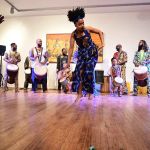 Keur Khaleyi African Dance & Cultural Institute, Inc.4.0 (13 reviews)
 Ballet After Dark5.0 (5 reviews)
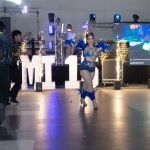 V.O.P Dance Studio4.0 (17 reviews)
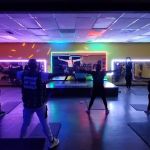 Kaliente Dance Studio4.0 (42 reviews)
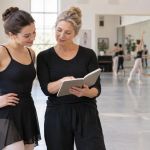 Dance Class Absences: Makeups, Notes, and Safe Return
 Dance Floor Safety: Surface, Space, and Stop Signals
 Dance Recital Backstage Etiquette: Space, Sound, and Cues
 What to Expect at a Dance Audition: Process and Preparation
 Dance Music Volume: Protect Hearing and Communication
 Dance Warm-Up Plan: Build Heat Without Early Fatigue