
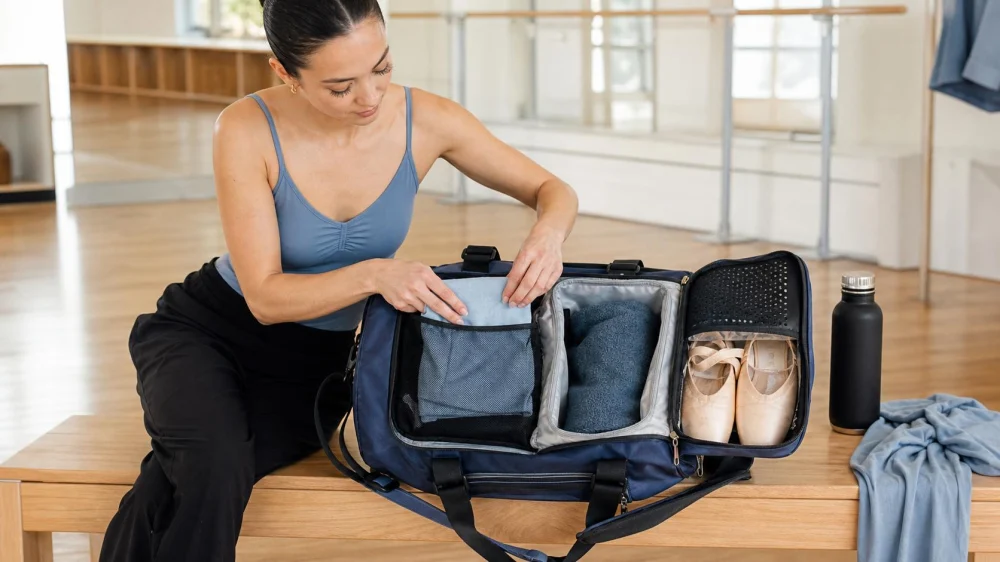
Dance Bag Hygiene: Separate Clean, Damp, and Used Gear
On this page
Quick answer
Keep a dance bag hygienic by creating separate zones for clean clothing, damp or sweaty items, and shoes or floor-contact gear. Use washable pouches, empty the bag after every class, air-dry items promptly, and follow each product’s care label. Do not leave wet clothing, towels, or shoe inserts sealed in the bag overnight.
Build three bag zones
- Clean zone: fresh clothing, socks, hair items, wraps, and personal-care supplies in a closed pouch.
- Damp zone: a washable wet bag for used clothing and towels during the trip home.
- Floor zone: dance shoes, street shoes, knee pads, and other items that contact floors in a ventilated separate compartment.
Add a small trash pouch for used tape, tissues, snack wrappers, and disposable items. Never mix medication, snacks, or a mouthguard loose with shoes.
Pack before class
- Start with a fully dry bag and pouches.
- Pack only the clothing and shoes needed for that session.
- Use a clean refillable bottle and keep the mouthpiece covered.
- Place leak-prone toiletries in a sealed pouch.
- Label personal gear without exposing unnecessary personal information.
- Bring a small clean towel rather than reusing one left in the bag.
A lighter bag is easier to empty and inspect. “Just in case” gear often becomes forgotten gear.
Reset after class
- Place damp clothing and towels in the wet bag.
- Keep shoes separate from clean items.
- Discard trash before leaving when bins are available.
- At home, empty the entire bag rather than removing only what you remember.
- Launder used textiles according to their care labels.
- Open shoes, pads, and the bag to dry in a ventilated area.
- Refill the clean zone only after everything is dry.
A wet bag is for transport, not storage. Wash and dry it regularly.
Care for dance shoes
Different materials require different care. Canvas, leather, satin, suede, foam, and glued construction may react badly to washing, heat, or cleaning products.
- Follow the manufacturer’s care instructions.
- Remove detachable inserts only when designed for removal.
- Let shoes air naturally away from direct heat.
- Keep street shoes separate from studio-only shoes.
- Do not share shoes without a studio-approved cleaning process.
- Replace storage pouches that stay damp or develop persistent odor.
Do not put rosin, powder, fragrance, or disinfectant on soles unless the studio and shoe maker allow it. Residue can change traction and damage floors.
Clean the bag and accessories
Check the bag’s care label. Machine-wash washable fabric bags on the permitted setting; wipe structured bags as directed. Clean high-touch areas such as handles, zipper pulls, bottle pockets, and the base.
Wash reusable pouches, towels, bottle components, and hair accessories on a schedule. Let every component dry completely before reassembly. Avoid combining cleaning chemicals, and keep products away from eyes, skin, and food-contact items.
Weekly checklist
- Empty every pocket.
- Remove crumbs, tape, and trash.
- Wash or wipe the bag as permitted.
- Wash wet bags and shoe pouches.
- Clean the bottle and lid components.
- Inspect shoes, pads, elastic, and closures.
- Discard expired personal-care items.
- Restock clean essentials only.
When to replace an item
Consider replacement when fabric cannot be cleaned, padding no longer dries, closures fail, a bottle remains damaged or difficult to sanitize, or shoe structure and traction no longer suit the class. Ask an instructor about dance-shoe safety and floor compatibility.
Persistent odor can signal retained moisture or material breakdown, but fragrance alone does not clean an item. Replace the cause rather than masking it.
Limitations and important notes
This routine supports general cleanliness; it does not treat a skin, nail, respiratory, or other health condition. Seek appropriate clinical advice for persistent rash, infection signs, breathing symptoms, or another medical concern.
Studio rules and manufacturer care instructions override generic cleaning habits, especially for specialty shoes, costumes, braces, and shared equipment.
Sources and evidence notes
The practical evidence for this routine comes from care labels, shoe-maker instructions, studio floor policies, and the basic moisture-control principle of removing damp textiles from closed storage and drying them promptly. No product is universally safe for every fabric, finish, or floor.
Frequently asked questions
Can I leave dance shoes in a mesh pouch?
Mesh improves airflow, but the shoes and bag still need to be removed and dried after class.
Should I spray shoes after every class?
Only use a product approved for the shoe material and studio floor. Sprays can damage adhesives, satin, leather, or traction.
How often should I wash the bag?
Follow its care label and clean sooner after leaks, spills, or damp storage. A weekly pocket check prevents buildup.
Can clean clothes share a pocket with wrapped shoes?
A fully closed washable shoe pouch reduces contact, but a dedicated compartment is easier to manage consistently.
Conclusion and next steps
Add one clean pouch, one washable wet bag, and one ventilated shoe zone. Empty everything after the next class and repeat until the reset becomes as automatic as packing the shoes.



 All That Dance4.0 (8 reviews)
 New Orleans Ballet Theatre4.0 (13 reviews)
 HL Dance & Performing Arts Studio5.0 (32 reviews)
 Auburn Dance Academy4.0 (38 reviews)
 Performing Arts Academy of CT5.0 (8 reviews)
 Friday Night Waltz4.0 (24 reviews)
 Ballroom Dance for Kids – What You Need to Know
 Are School Dances Mandatory? What You Need to Know About Attending or Skipping
 What Is Homecoming Dance in High School and Why It Matters
 Can Dance Exergames Boost Physical Activity as a School-Based Intervention?
 Contemporary Dance for Adults – Benefits, Getting Started, and Success Stories
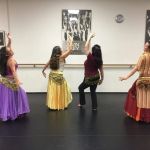 Top 10 Belly Dance Moves for Adults to Learn and Master