
- 1-Understanding Belly Dance for Adults
- 2-Essential Core Belly Dance Moves
- 3-Hip and Isolation Techniques
- 4-Arms and Upper Body Movements
- 5-Combining Moves into Routines
1. Understanding Belly Dance for Adults
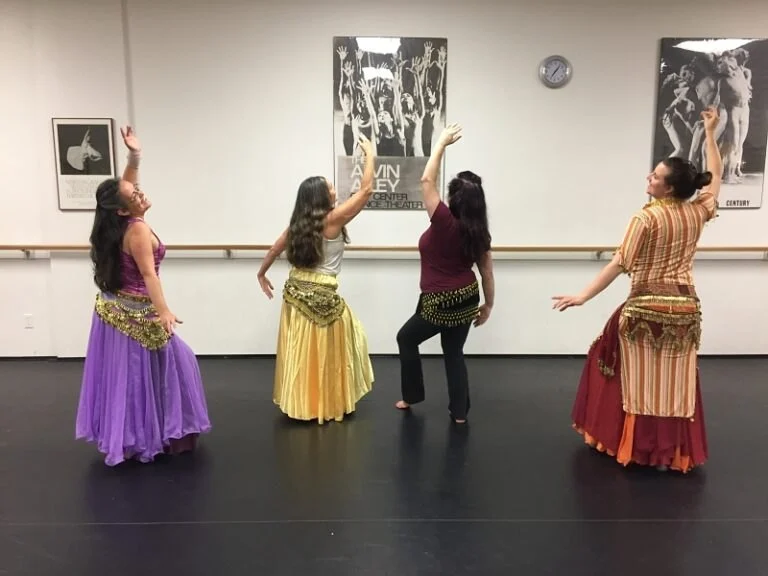
Belly dance is a versatile and expressive form of dance that emphasizes core strength, fluidity, and rhythm. For adults, it offers not only a way to enhance fitness and posture but also a method of self-expression and confidence building. Unlike high-impact workouts, belly dance is gentle on the joints while providing a full-body workout that engages muscles often neglected in conventional exercise routines.
Case Example: Emily, a 35-year-old office worker in Chicago, started belly dance classes to relieve stress and improve flexibility. Within a few months, she noticed better posture, increased confidence, and an unexpected boost in core strength, all while enjoying the creative and rhythmic aspects of the dance.
2. Essential Core Belly Dance Moves
The core is central to all belly dance movements, and mastering these moves helps adults gain control and fluidity. Here are key foundational moves:
- Hip Circles: Circular motion of the hips, engaging lower abdominal muscles and improving flexibility.
- Shimmy: Rapid shaking of the hips that energizes routines and develops muscle endurance.
- Figure Eight: Creating horizontal or vertical eight-shaped movements with the hips, enhancing coordination.
- Undulations: Smooth rolling of the torso to isolate chest and stomach muscles for graceful movement.
Practicing these moves consistently builds strength, control, and a solid foundation for more advanced techniques.
3. Hip and Isolation Techniques
Isolation is a hallmark of belly dance, allowing dancers to move specific body parts independently. Adult learners often focus on:
- Hip Drops and Lifts: Controlled vertical movements of the hips that improve muscle engagement and rhythm awareness.
- Hip Slides: Side-to-side movement that encourages fluid transitions between steps.
- Chest Lifts and Drops: Upper torso isolations that add elegance and expression to routines.
Real-Life Insight: Michael, a 40-year-old beginner, struggled initially with isolating his hips from his upper body. Through targeted exercises recommended by his instructor at American Dance Academy, he gradually mastered smooth transitions, which became a highlight of his personal routine.
4. Arms and Upper Body Movements
Arms complement core and hip movements, adding expression and flow. Essential techniques include:
- Snake Arms: Undulating arm movements that mimic fluid, snake-like patterns.
- Wrist Circles: Small, controlled circles to enhance elegance.
- Shoulder Shimmies: Subtle shoulder shakes that integrate with hip movements.
Integrating arms and upper body movements with core techniques makes belly dance routines visually captivating and physically challenging.
5. Combining Moves into Routines
Once individual moves are mastered, adults can create fluid routines by linking core, hip, and arm techniques. Begin with short sequences, gradually increasing length and complexity. Practicing with music improves rhythm, timing, and performance quality.
Example: Sarah, a mother of two, combined hip circles, shimmy, and snake arms into a 2-minute routine. She reported feeling more confident during performances at community events, and her consistent practice enhanced balance and overall fitness.
For those seeking structured guidance, American Dance Academy offers comprehensive tutorials, workshops, and personalized coaching to help adults learn the top belly dance moves effectively and safely.


 Champions Cheerleading, Gymnastics and Dance Center, Inc.4.0 (20 reviews)
 Legacy Dayton Dance Studio4.0 (13 reviews)
 Devastation Dance Company4.0 (21 reviews)
 Spotlight Studio5.0 (6 reviews)
 En Avant Academy of Dance5.0 (4 reviews)
 Wilson's Dance Club International4.0 (33 reviews)
 Top 10 Waltz Moves Step-by-Step Guide for Beginners
 Why Did Schools Teach Square Dancing? Cultural Roots and Educational Impact
 Do Japanese Schools Have School Dances? A Cultural Exploration
 Why Do Schools Teach Square Dancing?
 Samba for Couples: Common Mistakes to Avoid
 Are High School Dances Worth It? What You Should Know Before Deciding