
- 1. What is Line Dance?
- 2. Benefits of Line Dance
- 3. How to Learn Line Dance
- 4. Common Mistakes in Line Dance and How to Avoid Them
- 5. Tips for Beginners to Improve Line Dance
- 6. Real-Life Success Stories
- 7. Why Choose American Dance Academy
1. What is Line Dance?
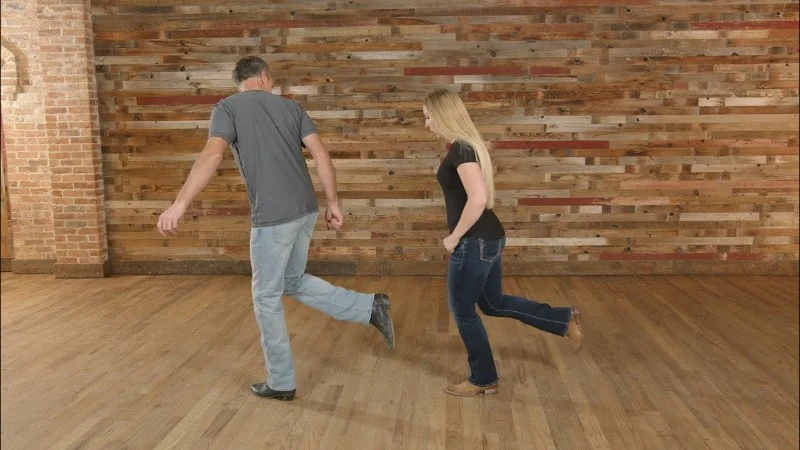
Line dancing is a popular group dance where dancers perform in one or more lines or rows, all facing the same direction, and performing the same sequence of steps. The dance is typically performed to country, pop, or Latin music and does not require a partner. It's an easy-to-learn and fun way to engage with music, whether you're at a party, a class, or a social event.
2. Benefits of Line Dance
Line dancing is not just a fun activity—it also provides numerous physical and mental benefits. It is a low-impact exercise that improves cardiovascular health, strengthens muscles, and enhances flexibility. Since line dancing involves memorizing steps and routines, it also sharpens memory and helps with coordination. Plus, it's a social activity that can reduce stress and improve mood by encouraging interaction and fun.
3. How to Learn Line Dance
Learning line dance can be easy and enjoyable if you take the right approach. You can start by watching tutorials online, attending local dance classes, or even practicing with friends at home. Here’s how you can start learning line dance:
3.1 Start with Basic Steps
Before jumping into complicated routines, it's essential to master the basic steps. Focus on learning the basic movements such as the grapevine, step-touches, and basic turns. Once you're comfortable with these movements, you can start learning more complex steps and sequences.
3.2 Watch Tutorials
There are many free tutorials available on YouTube or dance apps. These tutorials break down the steps into simple instructions and allow you to practice at your own pace. You can pause and rewind as needed to ensure you're getting the steps right.
3.3 Practice Regularly
Consistency is key to mastering line dance. Set aside time each week to practice what you've learned. The more you practice, the more confident you will become with the steps, and your muscle memory will improve.
4. Common Mistakes in Line Dance and How to Avoid Them
As with any dance form, beginners often make common mistakes when learning line dance. Here are some of the most frequent mistakes and how you can avoid them:
4.1 Lack of Rhythm
One of the most common mistakes in line dancing is not following the rhythm of the music. It's essential to listen closely to the beat and match your steps to it. Try tapping your feet to the music before you start dancing to get a sense of the rhythm. Practice dancing to slower songs before moving on to faster ones.
4.2 Poor Footwork
Many beginners struggle with proper foot placement. This can lead to stumbling or off-beat movements. Make sure your feet are aligned and that you're stepping on the right part of your foot—usually the ball of your foot. Additionally, ensure that your steps are clear and decisive, as dragging your feet will disrupt the flow of the dance.
4.3 Not Paying Attention to Posture
Good posture is essential in line dance. Keeping your back straight and shoulders relaxed will help you maintain balance and move more fluidly. Avoid slouching or leaning too far forward, as this can affect your movements and coordination.
5. Tips for Beginners to Improve Line Dance
If you're new to line dancing, here are some useful tips to help you improve faster and have more fun:
5.1 Focus on the Basics First
Before attempting complex routines, it's important to get the basics down. Mastering basic steps like the grapevine, step-touch, and ¼ turns will give you a strong foundation to build on. Once you're comfortable with these, you can move on to more advanced patterns.
5.2 Practice with a Mirror
Practicing in front of a mirror allows you to see your movements and correct your form. You can use your reflection to check your posture, foot placement, and overall technique, which will help you improve faster.
5.3 Stay Relaxed and Have Fun
Line dancing is meant to be enjoyable, so don’t stress too much about getting everything perfect. Relax your body, enjoy the music, and have fun with the process. The more you relax, the better your dance will feel.
6. Real-Life Success Stories
Many people have experienced personal growth and improved fitness through line dance. Take, for example, Anna, a 40-year-old who started line dancing as a way to get more active. Within a few months, she noticed improved flexibility, strength, and confidence. Line dance also helped her relieve stress after work and meet new friends through local dance groups.
Another success story is from David, who had been struggling to find a fun way to exercise. After joining a line dance class, he not only lost weight but also gained a sense of rhythm and coordination. He now attends dance events regularly and has become a confident dancer.
7. Why Choose American Dance Academy
If you're serious about learning line dance and want to improve your skills, American Dance Academy is the perfect place to start. With professional instructors, personalized lessons, and a supportive community, you’ll be able to take your line dance skills to the next level. Explore their programs today and start your line dancing journey!






 Dance With Intention5.0 (10 reviews)
 Central Florida Dance Center4.0 (53 reviews)
 Kenlin Dance Academy5.0 (1 reviews)
 Emerge Dance Academy - White Oak4.0 (29 reviews)
 Dreams by Daisy5.0 (2 reviews)
 ALIGN BALLET METHOD ORANGE COUNTY4.0 (4 reviews)
 A Star School of Dance: What Makes It a Shining Example of Performing Arts Education
 Line Dance That Boosts Confidence – What You Need to Know
 Zumba Trending on TikTok: The Ultimate Guide to Get Moving
 Do 6th Graders Have School Dances? What Students & Parents Should Know
 Top 10 Ballroom Dance Moves for Beginners | American Dance Academy
 Why Bollywood Dance Is Popular and Its Cultural Origins