- - Understanding K-Pop Dance and Its Appeal for Kids
- - Essential Skills for Young Dancers
- - Step-by-Step Approach to Learning K-Pop Choreography
- - Building Rhythm, Coordination, and Flexibility
- - Practice Techniques That Engage and Motivate Children
- - Choosing the Right Environment and Tools for Dance Learning
- - Real-Life Examples and Success Stories from Young K-Pop Dancers
- - Encouraging Creativity and Confidence in Young Performers
- - Integrating Dance Classes and Online Resources
- - Tracking Progress and Celebrating Milestones
Understanding K-Pop Dance and Its Appeal for Kids
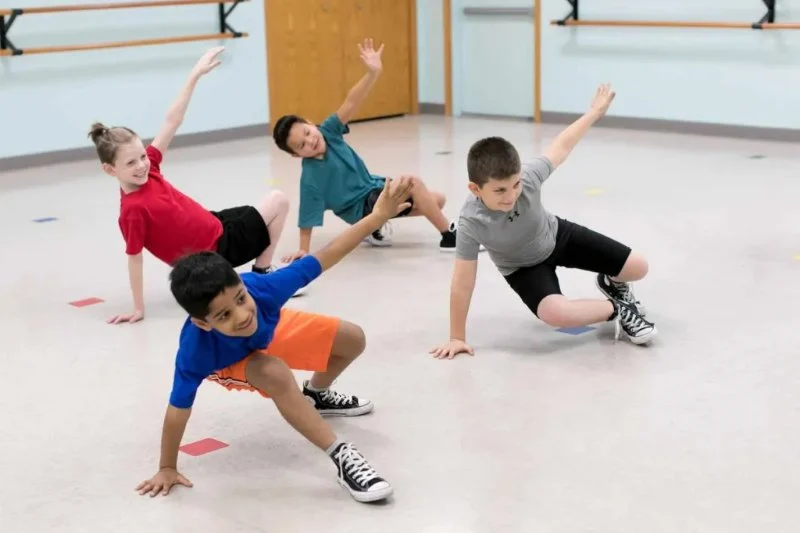
K-Pop has exploded in popularity worldwide, not only for its catchy music but also for its dynamic and visually engaging choreography. For children, K-Pop dance offers a fun and expressive way to develop physical coordination, creativity, and confidence. Unlike traditional dance forms, K-Pop blends elements of hip-hop, jazz, and modern dance, creating an energetic and accessible style that resonates with kids.
Recognizing the appeal of K-Pop dance for kids is essential to creating a structured and enjoyable learning experience. The energetic movements, expressive gestures, and visually striking routines provide children with immediate engagement, making practice sessions fun and motivating.
Why Kids Are Drawn to K-Pop Dance
1. Music Connection – Kids are naturally drawn to catchy beats and songs from popular K-Pop groups. Dancing to familiar music enhances learning and retention of choreography.
2. Visual Expression – K-Pop routines often involve expressive hand gestures and facial expressions, which encourage self-expression and storytelling through movement.
3. Group Dynamics – Many K-Pop dances are designed for group performance, helping children develop teamwork, cooperation, and social interaction skills.
Essential Skills for Young Dancers
Before mastering complex routines, children should build foundational skills that support safe and effective dance practice.
1. Body Awareness and Posture
Teaching kids to understand their body in space is vital. Exercises like mirroring, slow-motion movements, and guided posture drills can enhance awareness and prevent injuries.
2. Rhythm and Timing
Understanding the rhythm of K-Pop music helps children execute moves in sync with the beat. Clapping exercises, tapping feet, and counting out loud are effective methods for reinforcing timing skills.
3. Flexibility and Strength
Gentle stretching routines improve flexibility, while basic strength exercises such as planks and squats support endurance for longer dance routines.
Step-by-Step Approach to Learning K-Pop Choreography
Breaking down complex routines into manageable steps makes learning accessible for children of all ages.
Step 1: Warm-Up and Conditioning
Begin each session with light stretching and coordination exercises. A warm-up prepares the muscles, enhances mobility, and reduces the risk of injury.
Step 2: Breaking Down Moves
Divide choreography into sections and teach one segment at a time. Encourage repetition and provide positive reinforcement to build confidence and memory retention.
Step 3: Combining Sections
Once children are comfortable with individual segments, gradually combine them to form the full routine. This incremental approach reduces overwhelm and reinforces learning.
Step 4: Polishing and Expression
Focus on sharpness, precision, and expressive elements. Encourage children to add their personality to the movements, which enhances performance quality and engagement.
Building Rhythm, Coordination, and Flexibility
Developing these foundational skills is crucial for mastering K-Pop dance for kids. A well-rounded training program incorporates exercises targeting multiple areas simultaneously.
Coordination Drills
Use mirror exercises, side-to-side steps, and alternating limb movements to improve motor coordination. These drills also strengthen cognitive processing, which aids in learning choreography quickly.
Rhythm Games
Clap-and-step sequences, drum-based games, and interactive music activities help children internalize rhythm patterns in an engaging way.
Flexibility Exercises
Incorporate fun stretches like reaching for the sky, side lunges, and seated toe touches. Make flexibility training interactive and game-like to maintain interest.
Practice Techniques That Engage and Motivate Children
Consistency is key, but practice should remain enjoyable to sustain motivation. Short, frequent sessions are more effective than long, exhausting practices.
Use of Visual Aids and Videos
Demonstrations, video tutorials, and visual cues can help children understand movement patterns and emulate them accurately. Watching professional K-Pop performances can also inspire creativity and excitement.
Gamification and Rewards
Incorporate challenges, scoring systems, and positive reinforcement to make practice sessions fun and goal-oriented.
Choosing the Right Environment and Tools for Dance Learning
Providing a safe, well-equipped space enhances learning efficiency and safety.
Space Considerations
Ensure the practice area is free from obstacles and has adequate floor space. Smooth, non-slip surfaces are ideal to prevent injuries during dynamic movements.
Equipment and Clothing
Comfortable, flexible clothing and supportive footwear are essential. Avoid restrictive attire, and use light music systems to provide clear audio cues.
Real-Life Examples and Success Stories from Young K-Pop Dancers
Emma, age 9, began learning K-Pop dance at American Dance Academy and mastered her first full choreography in three months. Through structured lessons and consistent practice, she developed confidence and performance skills that extended to school talent shows.
Similarly, a local dance group in Texas integrated K-Pop routines into their after-school program, noting significant improvements in students’ teamwork, focus, and physical fitness within a semester.
Encouraging Creativity and Confidence in Young Performers
Allowing children to modify choreography or add personal flair fosters ownership and self-expression. Encouragement and constructive feedback from instructors and parents support confidence and motivation.
Encouraging Individual Style
While precision is important, children should be free to inject their personality into movements. This practice nurtures creativity and builds stage presence.
Integrating Dance Classes and Online Resources
Structured classes at institutions like American Dance Academy provide guided instruction, while online tutorials can supplement learning and allow kids to practice at their own pace. Combining both approaches ensures consistent progress and exposure to a wide variety of choreography styles.
Tracking Progress and Celebrating Milestones
Keep a record of skills learned, routines mastered, and performance improvements. Celebrate achievements with small rewards, performances, or showcases to maintain motivation and encourage continued practice.
By following these methods, parents and instructors can help children master K-Pop dance effectively, creating a fun, educational, and confidence-building experience. For expert guidance, detailed lesson plans, and age-appropriate routines, American Dance Academy offers resources and classes designed to help kids excel in K-Pop dance.
 Jax Beach Aerial Arts5.0 (7 reviews)
 Katrina Thomas Academy4.0 (11 reviews)
 Yee's Southern Lions4.0 (11 reviews)
 Rhythms Dance Studio4.0 (35 reviews)
 J. Rouge Fitness5.0 (40 reviews)
 Olympic Ballet Theatre & School4.0 (22 reviews)
 De Braam School of Dance & Theatre Arts: Where Talent Meets Excellence
 How a Professional Hip Hop Dance Videos School Can Transform Your Skills
 Pole Dance Every Dancer Should Know: Common Mistakes to Avoid
 The History of Swing Dance Tutorial
 Bollywood Dance Fitness Routine – What You Need to Know
 The History of Tango to Burn Calories: A Dance to Fitness