
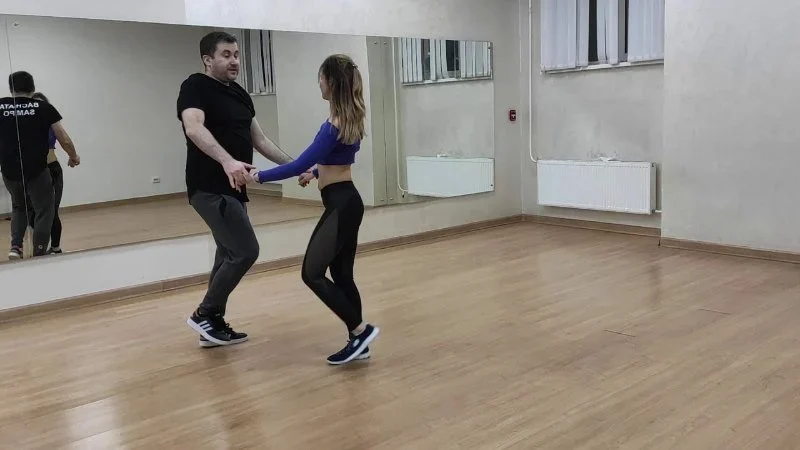
- Why Bachata Builds Confidence - Rhythm - Expression - Connection
- Fundamentals of Bachata - Basic Steps - Timing - Body Movement
- Partner Connection Skills - Lead - Follow - Communication
- Musicality and Expression - Feeling the Beat - Emotional Flow
- Common Mistakes Beginners Make - Tension - Timing Issues - Overthinking
- Real-Life Confidence Transformation Stories - Social Dance Growth
- Practice Strategies That Actually Work - Drills - Social Practice
- Becoming a Confident Bachata Dancer
Why Bachata Builds Confidence
Learning how to master Bachata that boosts confidence is not just about memorizing steps—it’s about transforming the way you move, interact, and express yourself. Bachata, originating from the Dominican Republic, is a social dance deeply rooted in connection, rhythm, and emotion. Unlike many structured dance styles, it allows room for personality and improvisation, which is exactly why it builds confidence so effectively.
Many beginners step into their first Bachata class feeling awkward or uncertain. Yet within just a few sessions, something shifts. The rhythm becomes familiar, the body loosens, and suddenly movement feels natural rather than forced. Confidence grows not because perfection is achieved, but because comfort in expression develops.
1. Rhythm as Emotional Grounding
The steady 4/4 rhythm in Bachata acts like an anchor. Once the beat is internalized, dancers stop overthinking and start feeling. This transition from mental control to physical flow is where confidence begins.
2. Expression Without Judgment
Bachata encourages subtle hip movement, body isolations, and expressive styling. There is no single “correct” way to look. This freedom allows dancers to explore identity through movement.
Fundamentals of Bachata
Before confidence can grow, fundamentals must feel natural. Many dancers rush into styling too early, but true mastery begins with simplicity.
1. Basic Step Structure
The foundational Bachata step consists of a side-to-side motion with a tap on the fourth beat. This pattern is simple, but precision matters.
- Step left (1)
- Step right (2)
- Step left (3)
- Tap (4)
Repeating this slowly helps the body memorize timing without pressure.
2. Hip Movement Development
Hip movement in Bachata is not exaggerated—it is natural weight transfer. Beginners often force it, which creates stiffness. Instead, the hips follow the stepping motion naturally when knees remain slightly relaxed.
3. Timing Consistency
One of the biggest confidence barriers is losing track of the beat. Practicing with slow music builds internal timing accuracy, reducing hesitation during social dancing.
Partner Connection Skills
Social dancing is where Bachata truly becomes transformative. The connection between partners creates trust, and trust builds confidence.
1. Lead and Follow Communication
In Bachata, communication happens through gentle tension in the hands and frame. Leaders guide direction, while followers interpret movement signals.
2. Avoiding Overthinking
Beginners often try to predict every move. Instead, experienced dancers rely on connection and responsiveness, allowing the dance to unfold naturally.
3. Real Social Dance Experience
At a social dance night in Miami, a beginner student once shared how they felt nervous asking someone to dance. After just three songs, the fear disappeared. The partner’s encouragement and rhythmic flow made them realize that Bachata is not about performance—it is about shared enjoyment.
Musicality and Expression
Understanding music is what separates mechanical dancers from expressive ones. Bachata music contains emotional depth, often blending guitar, percussion, and romantic vocals.
1. Listening Beyond the Beat
Instead of only counting steps, dancers learn to hear guitar accents, pauses, and emotional shifts in the song. This awareness creates deeper connection with movement.
2. Body Isolation and Styling
Once basics are comfortable, dancers begin adding shoulder rolls, arm styling, and body waves. These elements should enhance the dance, not overwhelm it.
3. Emotional Expression
Bachata often reflects themes of love and longing. Expressing emotion through movement is what makes the dance feel authentic and powerful.
Common Mistakes Beginners Make
1. Tension in the Body
Stiff arms and locked shoulders are common early-stage issues. Relaxation is key to fluid movement.
2. Rushing the Beat
Many beginners speed up unintentionally, especially in social settings. Staying grounded in rhythm is essential for confidence.
3. Overcomplicating Steps
Trying advanced moves too early often leads to frustration. Mastery comes from repetition of fundamentals.
Real-Life Confidence Transformation Stories
One student at an American Dance Academy workshop described starting Bachata with extreme social anxiety. They avoided eye contact and struggled with basic steps. After eight weeks of consistent practice, they were not only dancing socially but actively leading partners on the floor.
This transformation was not about talent—it was about repetition, supportive instruction, and gradual exposure to social environments.
Another case involved a corporate professional who used Bachata classes as a way to improve public confidence. Surprisingly, the skills learned—posture control, timing, and partner awareness—translated directly into improved communication at work presentations.
Practice Strategies That Actually Work
1. Slow Practice Sessions
Practicing slowly allows muscle memory to develop without stress. Even 10–15 minutes daily is more effective than irregular long sessions.
2. Mirror Training
Watching yourself in a mirror helps correct posture, arm placement, and timing inconsistencies.
3. Social Practice Exposure
Attending social dance events helps bridge the gap between practice and real-world confidence. The more exposure, the lower the anxiety.
4. Guided Learning Environment
Structured instruction accelerates progress significantly. Platforms like American Dance Academy offer guided progression paths that help dancers build confidence step-by-step in a supportive environment.
Becoming a Confident Bachata Dancer
True mastery of Bachata is not defined by technical perfection but by comfort, expression, and connection. Confidence grows gradually through rhythm familiarity, partner interaction, and consistent practice.
When dancers stop focusing on “getting it right” and start enjoying the music, transformation naturally follows. The body becomes more expressive, the mind becomes more relaxed, and social interactions become enjoyable rather than intimidating.
Whether you are stepping onto the dance floor for the first time or refining your technique, the journey of learning Bachata is also a journey of self-discovery. With patience and the right guidance, anyone can develop the confidence to move freely and connect authentically.

 Unique Dance Academy5.0 (3 reviews)
 Blair Dance Academy4.0 (9 reviews)
 Connolly Irish Dance5.0 (2 reviews)
 Elevate Dance4.0 (38 reviews)
 Tiny Dancers4.0 (112 reviews)
 Greenwood Dance Center4.0 (10 reviews)
 Shuffle Dance to Burn Calories: Learn Step by Step
 Top 10 Hip Hop Moves for Kids
 Line Dance That Boosts Confidence – What You Need to Know
 Cha Cha Tutorial – What You Need to Know
 Hip Hop for Beginners: Common Mistakes to Avoid
 Do You Have a Dance in Middle School? How Dance Events Shape Student Life