
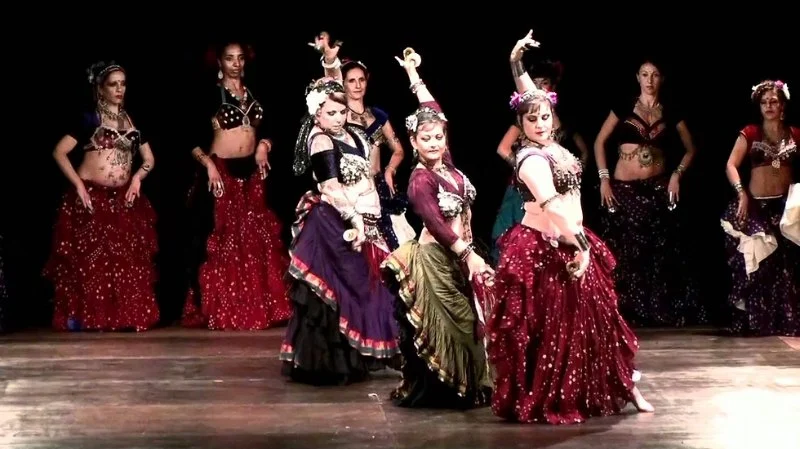
- 1-Ancient-Origins-of-Belly-Dance-and-Early-Movement-Traditions
- 2-Cultural-Evolution-Through-Middle-Eastern-and-Mediterranean-Influences
- 3-Transformation-Into-a-Modern-Fitness-Routine
- 4-How-Belly-Dance-Fitness-Became-a-Global-Wellness-Trend
- 5-Core-Techniques-and-Training-Structure-of-Belly-Dance-Fitness
- 6-Real-Life-Story-of-Transformation-Through-Belly-Dance
- 7-Common-Misconceptions-and-Modern-Understanding
- 8-Professional-Insights-from-American-Dance-Academy
1. Ancient Origins of Belly Dance and Early Movement Traditions
The history of belly dance fitness routine traces back thousands of years, long before it became a structured workout in modern studios. Early forms of belly dance were not originally designed as entertainment or fitness but were deeply connected to cultural rituals, celebrations, and community storytelling.
Archaeological interpretations suggest that early Middle Eastern and North African civilizations used expressive torso and hip movements in fertility rituals and seasonal celebrations. These movements emphasized fluidity, grounding, and connection to the earth—qualities that remain central to modern belly dance fitness routines today.
Unlike many structured Western exercise systems, early belly dance movements were intuitive, passed down through generations rather than formalized instruction. This organic development is one reason why belly dance still feels so natural and expressive compared to rigid workout systems.
2. Cultural Evolution Through Middle Eastern and Mediterranean Influences
As trade routes expanded across the Middle East, Mediterranean, and North Africa, belly dance evolved into a more diverse art form. Each region contributed unique styles, rhythms, and interpretations of movement.
In Egypt, for example, belly dance became more theatrical, often performed at weddings and public celebrations. In Turkey, sharper hip accents and faster rhythms emerged, while North African variations emphasized grounded, rhythmic footwork.
This cultural blending played a crucial role in shaping what we now recognize as belly dance fitness. The movements were no longer just cultural expressions but began to demonstrate clear physical benefits such as core strength, flexibility, and endurance.
3. Transformation Into a Modern Fitness Routine
The transition of belly dance into a structured fitness routine began in the late 20th century, particularly in Western countries where dance fitness trends were rapidly growing.
Fitness instructors noticed that belly dance movements naturally engaged the abdominal muscles, improved posture, and supported low-impact cardiovascular conditioning. This led to the development of belly dance fitness routines designed specifically for exercise rather than performance.
Unlike traditional dance performances, modern fitness versions break down movements into repeatable sequences, making them accessible to beginners while still preserving cultural essence.
Many early adopters of belly dance fitness reported that it felt less like a workout and more like expressive movement therapy, which contributed to its growing popularity in wellness communities.
4. How Belly Dance Fitness Became a Global Wellness Trend
By the early 2000s, belly dance fitness had spread globally, especially in the United States and Europe. It became a popular alternative to high-impact workouts like aerobics and running.
Social media platforms further amplified its popularity, with instructors sharing short routines and tutorials. The accessibility of online learning helped people practice at home, removing barriers to entry.
Many fitness studios began incorporating belly dance-inspired classes into their schedules, recognizing its appeal to individuals seeking both physical fitness and emotional expression.
Today, institutions like American Dance Academy continue to refine and teach structured belly dance fitness routines that balance cultural authenticity with modern exercise science.
5. Core Techniques and Training Structure of Belly Dance Fitness
A modern belly dance fitness routine typically includes several foundational movement categories:
- Hip isolations: Controlled movements that strengthen the core and improve pelvic mobility.
- Undulations: Wave-like motions that enhance spinal flexibility and body awareness.
- Shimmies: Rapid muscle vibrations that increase endurance and cardiovascular engagement.
- Arm styling: Fluid arm movements that improve coordination and posture alignment.
These techniques are often combined into choreographed sequences that gradually build intensity. Beginners usually start with slow isolations before progressing to full-flow routines.
The beauty of belly dance fitness is that it accommodates all ages and fitness levels, making it one of the most inclusive dance-based workouts available today.
6. Real-Life Story of Transformation Through Belly Dance
One notable example comes from Melissa, a 38-year-old office worker from California, who struggled with chronic back stiffness due to long hours of sitting. She joined a belly dance fitness class at a local studio without expecting much beyond light exercise.
Within three months, she noticed significant improvements in her posture, flexibility, and even mood. The rhythmic nature of the movements helped her relieve stress, while core engagement reduced her lower back discomfort.
Another student, Carla, initially joined to lose weight but discovered a deeper appreciation for body expression. She shared that belly dance fitness helped her rebuild confidence after a long period of inactivity following an injury.
These stories highlight how the history of belly dance fitness routine is not just cultural but also deeply personal in its modern application.
7. Common Misconceptions and Modern Understanding
Despite its popularity, belly dance fitness is often misunderstood. Some people mistakenly believe it is purely performance-based or only suitable for women, which is not true.
In reality, belly dance fitness is a low-impact, full-body workout that benefits both men and women. It focuses on strength, mobility, and rhythm rather than appearance or performance perfection.
Another misconception is that it lacks structure. Modern belly dance fitness programs are highly organized, often including warm-ups, technique drills, and cooldown sequences similar to other professional fitness systems.
8. Professional Insights from American Dance Academy
Instructors at American Dance Academy emphasize that belly dance fitness is most effective when practiced consistently and with proper technique. They recommend starting with foundational movements before progressing to advanced choreography.
Experts also highlight the importance of understanding cultural respect while practicing belly dance. Recognizing its historical roots adds depth and appreciation to the movement, transforming it from a simple workout into a meaningful practice.
Training programs often integrate flexibility work, core strengthening, and rhythm training to create a balanced fitness experience that aligns with both physical and emotional wellness goals.
Ultimately, the evolution of belly dance from ancient tradition to modern fitness routine reflects a broader trend in how people seek movement practices that are both effective and expressive.
 Spotlight Dance5.0 (9 reviews)
 Le Polynesia5.0 (7 reviews)
 FOOT WORKS Performing Arts Center5.0 (2 reviews)
 Salsaymotion Dance Academy4.0 (15 reviews)
 The Studio for Kids5.0 (5 reviews)
 Evolution Academy of Dance5.0 (7 reviews)
 Foxtrot for College Students: Expert Tips to Get Started
 Do They Have High School Dances in Austria? Discover the Maturaball Tradition
 K-Pop Dance for Beginners – What You Need to Know
 Are School Dances Cheesy? Why They Might Be—and Why That’s Okay
 Ballet for College Students – Everything You Should Know
 Pole Dance for Kids – Everything You Should Know