- #why-seniors-love-shuffle - Why Shuffle Dance Appeals to Older Adults
- #health-benefits-seniors - Physical and Mental Benefits for Seniors
- #mistake-one-overexertion - Mistake #1: Overestimating Physical Ability
- #mistake-two-bad-footwork - Mistake #2: Ignoring Proper Footwork Technique
- #mistake-three-no-warmup - Mistake #3: Skipping Warm-Up and Mobility Work
- #mistake-four-bad-surface - Mistake #4: Practicing on Unsafe Surfaces
- #mistake-five-no-rhythm - Mistake #5: Losing Connection to Rhythm
- #safe-learning-methods - Safe and Effective Learning Methods for Seniors
- #real-stories-seniors - Real-Life Stories of Senior Dancers
- #long-term-wellbeing - Long-Term Wellness Benefits of Shuffle Dance
1. Why Shuffle Dance Is Popular for Seniors
Shuffle dance, once associated mainly with electronic music festivals and younger dancers, has surprisingly become a favorite among older adults in the United States and beyond. Many fitness instructors now report increasing participation from seniors who are drawn to its rhythmic movement, low-impact cardio nature, and uplifting energy.
The reason why shuffle dance is popular for seniors goes far beyond trend or entertainment. It reflects a deeper shift in how older adults approach health and aging. Instead of static exercise routines, many seniors now prefer dynamic, joyful activities that feel less like “working out” and more like celebrating movement.
Unlike high-impact sports, shuffle dance can be adapted to different mobility levels. It allows seniors to move at their own pace, reduce joint stress, and still enjoy meaningful cardiovascular benefits.
1.1 A New Culture of Active Aging
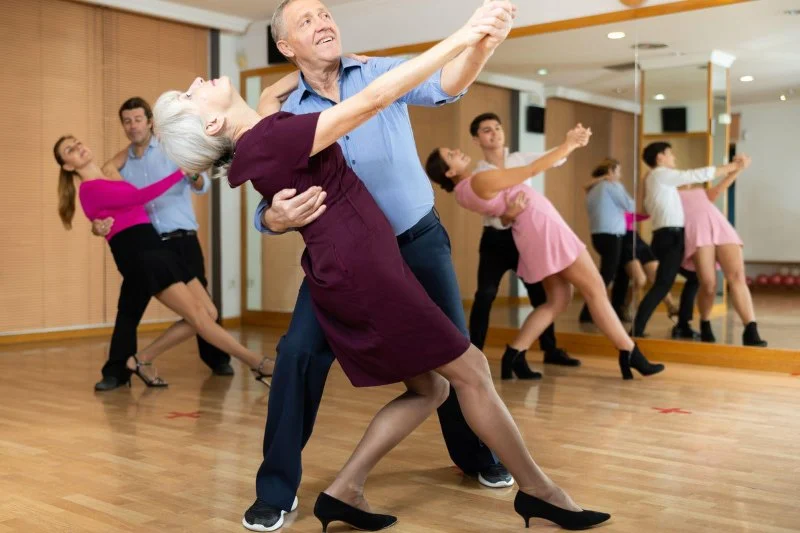
In recent years, communities have embraced the idea that aging does not mean slowing down completely. Senior fitness programs now emphasize mobility, rhythm-based movement, and social engagement. Shuffle dance fits naturally into this shift because it combines music, coordination, and gentle cardio.
Many seniors discover shuffle dance through community classes, YouTube tutorials, or recommendations from physical therapists who encourage rhythmic movement for joint health and balance improvement.
2. Physical and Mental Benefits for Seniors
Shuffle dance provides a wide range of benefits specifically valuable for older adults. It is not just exercise—it is a full-body and mind engagement activity.
2.1 Physical Health Improvements
- Improved cardiovascular health: Light to moderate continuous movement supports heart health.
- Better balance: Side-to-side stepping enhances stability and coordination.
- Joint mobility: Gentle footwork keeps knees, ankles, and hips active.
- Muscle endurance: Repetitive steps strengthen lower body muscles over time.
2.2 Mental and Emotional Benefits
- Reduced stress: Music and movement help regulate mood.
- Memory stimulation: Learning sequences supports cognitive engagement.
- Social connection: Group dance settings reduce isolation.
One senior participant in a California community center shared that shuffle dance helped her regain confidence after retirement. She described it as “a way to feel young again without pressure or competition.”
3. Mistake #1: Overestimating Physical Ability
One of the most common mistakes seniors make when starting shuffle dance is trying to match younger dancers too quickly.
3.1 Why This Happens
Many older adults feel motivated when they first discover shuffle dance and attempt fast-paced routines seen online. However, these routines are often designed for advanced dancers with higher stamina levels.
3.2 Risks of Overexertion
- Muscle strain or soreness.
- Joint discomfort, especially in knees and ankles.
- Fatigue that discourages continued practice.
3.3 Better Approach
Seniors should begin with slow tempo music and simplified step patterns. Gradual progression is far more effective than intensity-based training.
4. Mistake #2: Ignoring Proper Footwork Technique
Shuffle dance is built on precise footwork patterns, and improper technique can lead to instability or discomfort.
4.1 Common Footwork Issues
- Dragging feet instead of lifting lightly.
- Incorrect weight distribution between steps.
- Overturning the knees during transitions.
4.2 Importance of Control
Controlled movement ensures safety and prevents unnecessary strain on joints. Seniors benefit greatly from focusing on smooth transitions rather than speed.
5. Mistake #3: Skipping Warm-Up and Mobility Work
Warm-up is especially important for older adults due to natural decreases in joint flexibility over time.
5.1 Why Warm-Up Matters More With Age
Without proper preparation, sudden movements can increase the risk of stiffness or injury. A gentle warm-up helps activate muscles and improves circulation.
5.2 Recommended Warm-Up Routine
- Gentle marching in place for 3–5 minutes.
- Ankle and wrist rotations.
- Light stretching for calves, thighs, and hips.
6. Mistake #4: Practicing on Unsafe Surfaces
Environment plays a crucial role in shuffle dance safety for seniors.
6.1 Common Environmental Mistakes
- Practicing on slippery floors.
- Using uneven carpets or rugs.
- Insufficient lighting during practice.
6.2 Safe Practice Environment
A flat, stable surface with good grip is essential. Many seniors prefer hardwood floors or specialized dance mats that reduce slipping risk.
7. Mistake #5: Losing Connection to Rhythm
Shuffle dance is deeply connected to music, and losing rhythm often leads to confusion and frustration.
7.1 Why Rhythm Matters
Music provides structure for movement. Without it, steps become mechanical and harder to follow.
7.2 Training Rhythm Awareness
Listening to music without dancing can help seniors internalize beats and timing. This improves coordination and enjoyment during actual movement.
8. Safe and Effective Learning Methods for Seniors
Learning shuffle dance safely requires patience and structure.
8.1 Start Slow and Simple
Begin with basic side steps and gradually introduce more complex movements.
8.2 Use Guided Instruction
Many seniors benefit from structured programs offered by American Dance Academy, which provides step-by-step breakdowns designed for different fitness levels.
8.3 Practice Consistently
Short daily sessions are more effective than long, infrequent workouts. Consistency helps build muscle memory safely.
9. Real-Life Stories of Senior Dancers
In Florida, a 68-year-old retiree began shuffle dance after recovering from knee surgery. Initially hesitant, she started with five-minute sessions. Over time, she improved balance and now participates in weekly community dance events.
In New York, a group of seniors formed a shuffle dance club in a community center. They meet twice a week and report improved mood, mobility, and social engagement. Their instructor emphasizes slow progression and safety-first movement.
These stories highlight how adaptable shuffle dance can be when approached correctly.
10. Long-Term Wellness Benefits of Shuffle Dance
When practiced safely and consistently, shuffle dance can significantly improve long-term wellness for seniors.
- Enhanced cardiovascular endurance.
- Improved balance and fall prevention.
- Stronger lower body muscles.
- Better mental clarity and mood stability.
- Increased social engagement and confidence.
The growing popularity of shuffle dance among seniors reflects a broader movement toward joyful, sustainable fitness. Instead of rigid exercise routines, older adults are choosing activities that feel expressive and rewarding.
With proper guidance, safe pacing, and awareness of common mistakes, shuffle dance becomes more than just movement—it becomes a lifestyle that supports independence and vitality. Resources like American Dance Academy continue to help seniors learn safely and confidently, ensuring that every step brings both health and happiness.
 Houston Dance Works4.0 (32 reviews)
 Dance Flow Delray Beach5.0 (7 reviews)
 Ballroom Dance With Us5.0 (18 reviews)
 The Dance Vault4.0 (17 reviews)
 On Edge Aerial Dance5.0 (37 reviews)
 K2 Dance Studios4.0 (22 reviews)
 Foxtrot for College Students: Tips from Experts
 Ballet to Improve Flexibility: Expert Tips for Enhancing Your Stretching Routine
 Ballet for Seniors – Benefits, Tips, and What You Need to Know
 Are There School Dances in College? Exploring Campus Dance Life
 Did Jennifer Lopez Go to Dancing School?
 The History of Waltz That Boosts Confidence