Dance Class Clothing: Fit, Layers, and Studio Rules
On this page
Quick answer
Wear dance class clothing that follows the studio's dress code, lets you move through the full lesson, and stays secure without constant adjustment. Choose breathable base layers, add removable warmth for arrival and early class, and avoid loose hardware or fabric that can catch. Confirm required shoes, hair rules, jewelry limits, and changing facilities before the first session.
Match clothing to the class and teaching method
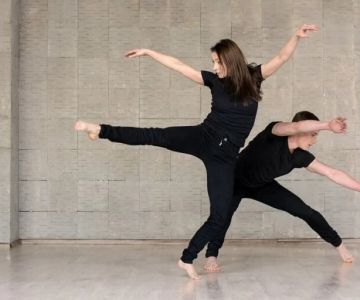
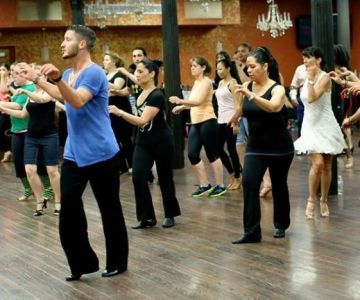
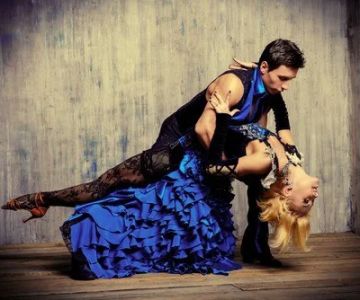
Dance clothing supports movement, feedback, temperature control, and the practical rules of a shared studio. Ballet, ballroom, hip-hop, contemporary, tap, cultural forms, fitness-based classes, and rehearsals can require different silhouettes and footwear. Some teachers need to see joint alignment; others allow looser layers that suit the style. The written dress code and instructor guidance are more reliable than social-media photos or assumptions about what dancers should look like.
This guide is for adults and families preparing for a United States dance class. It is not a body-shape standard or a reason to buy a full wardrobe before a trial class. Dancers with sensory, religious, disability, medical, or gender-related needs can ask the studio about reasonable clothing options privately.
Practical checklist
- Read the exact class dress code, including color, garment type, shoes, socks or tights, hair, jewelry, and performance exceptions.
- Ask whether a trial class has simpler clothing requirements and whether shoes can be borrowed or rented.
- Test lunges, reaches, bends, turns, and floor work without pinching, sliding, exposing, or restricting movement.
- Choose a secure waistband, supportive underlayers where needed, and seams that do not rub during repetition.
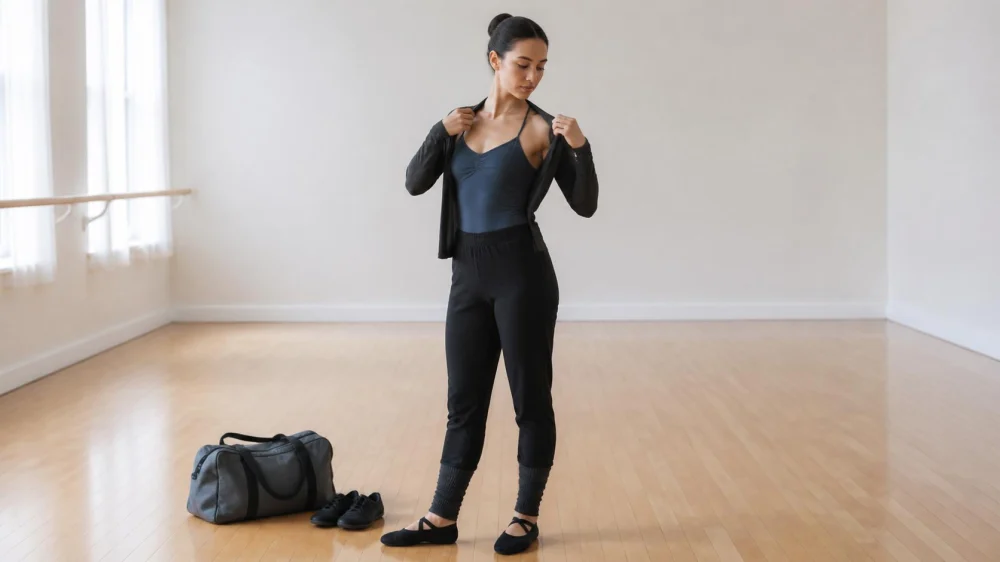
- Use removable layers that can be taken off as the body warms without interrupting class.
- Remove dangling jewelry, sharp fasteners, loose drawcords, and accessories that could catch a partner or equipment.
- Label personal items discreetly and pack a small bag for wet, sweaty, or outdoor clothing.
- Confirm changing space, restroom access, storage, and any policy on arriving already dressed.
Step-by-step plan
- Identify the class style, level, room temperature, floor, and whether the teacher has to see knees, ankles, shoulders, or spine clearly.
- Start with pieces you already own if the studio permits. Move through the class's likely range at home and note any rolling, gaping, pressure, or distraction.
- Add one warm layer for travel and the beginning of class. Choose a piece that folds away quickly and does not shed fibers or trail across the floor.
- Match footwear to the studio's written rule. Outdoor shoes, socks, bare feet, and dance shoes create different grip and hygiene concerns; never improvise without asking.
- Secure hair according to the activity while avoiding pins or clips that press during floor work. Keep vision clear for turns, spacing, and partner awareness.
- Before class, remove pocket objects and check fasteners. Bring a spare basic layer if sweat, weather, or a wardrobe failure would otherwise end the session.
- After class, air and wash garments according to their care instructions and dry footwear before storage. Replace stretched or damaged pieces that no longer stay secure.
Keep a short class note with the studio dress code, room temperature, floor type, what stayed secure, and what caused distraction. Record exact shoe requirements separately from clothing. This prevents repeat purchases based on appearance rather than function.
Limits and important notes
Expensive or highly specialized dancewear does not guarantee comfort, technique, or acceptance under a studio's rules. Compression, tight straps, restrictive waistbands, and overheating can cause discomfort. Loose clothing can hide alignment or catch, but tight clothing is not automatically required. Costumes and performance rules may differ from ordinary class. Ask before altering required garments or shoes.
Stop and adjust or change clothing if it restricts breathing, causes numbness, creates painful pressure, repeatedly slips, or presents a trip or entanglement hazard. Tell the instructor about a broken fastener, unsafe footwear, or dress-code conflict before joining movement. Seek qualified medical advice for persistent pain, skin injury, or circulation symptoms rather than trying to solve them with tighter clothing.
Frequently asked questions
Do I need to buy dancewear before my first class?
Often not, but ask the studio. A trial class may allow clean, secure clothing that shows enough movement for instruction. Required shoes or uniform pieces may become necessary after enrollment.
Why do some classes require fitted clothing?
A teacher may need to observe alignment and movement pathways, and fitted garments can reduce loose-fabric hazards. The reason and degree vary by style and studio; ask about acceptable alternatives.
Can I wear outdoor sneakers in a dance studio?
Only if the studio permits them and they are clean and suitable for the floor. Some styles require dedicated indoor shoes, specific soles, socks, or bare feet. Wrong grip can interfere with movement.
What should I do if the dress code conflicts with my needs?
Contact the studio privately before class, explain the functional need, and ask for acceptable alternatives that preserve safety and teaching goals. A respectful conversation is better than guessing or skipping without asking.
Sources and evidence
This article reflects general dance-studio practice: class type, floor, visibility needs, secure fit, and written studio policy determine appropriate clothing. Because requirements vary by school and technique, the studio and instructor are the source for specific garments, footwear, hair, jewelry, and accommodation options. No brand, body standard, medical outcome, or universal dress code is claimed.
Conclusion and next steps
Open the studio's class description and copy its clothing and shoe requirements into one checklist. Test the proposed outfit through a full range of movement, add one removable layer, and remove catch hazards. Ask the studio about any unclear rule or accommodation before buying specialized items, then refine the kit after one real class.

 The Dance Company Moorpark4.0 (55 reviews)
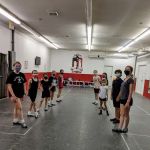 RAVE Studios by Dance Progressions5.0 (2 reviews)
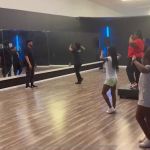 CAT Choreography5.0 (9 reviews)
 ES Dance Studio4.0 (42 reviews)
 Arthur Murray Dance Studio Boulder5.0 (37 reviews)
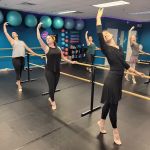 A-Glow Dance & Fitness5.0 (39 reviews)
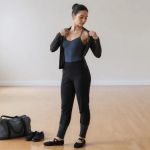 Dance Class Clothing: Fit, Layers, and Studio Rules
 How a Video of School Dance Becomes a Lasting Memory
 Ballet Every Dancer Should Know – Complete Guide
 Contemporary Dance for Adults – What You Need to Know for a Great Start
 How a Dance School with 54 Students Cultivates a Thriving Dance Community
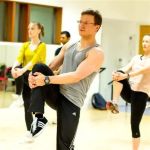 Why Hip Hop Is Popular to Improve Flexibility: Benefits of Dance for Mobility and Health