- 1. Introduction: Why Ballet is Essential for Every Dancer
- 2. Basic Ballet Positions Every Dancer Should Master
- 3. Key Ballet Movements and Techniques
- 4. Ballet Terminology: What You Need to Know
- 5. Real-Life Example: How Ballet Transformed a Dancer’s Career
- 6. Final Tips for Perfecting Your Ballet Technique
1. Introduction: Why Ballet is Essential for Every Dancer
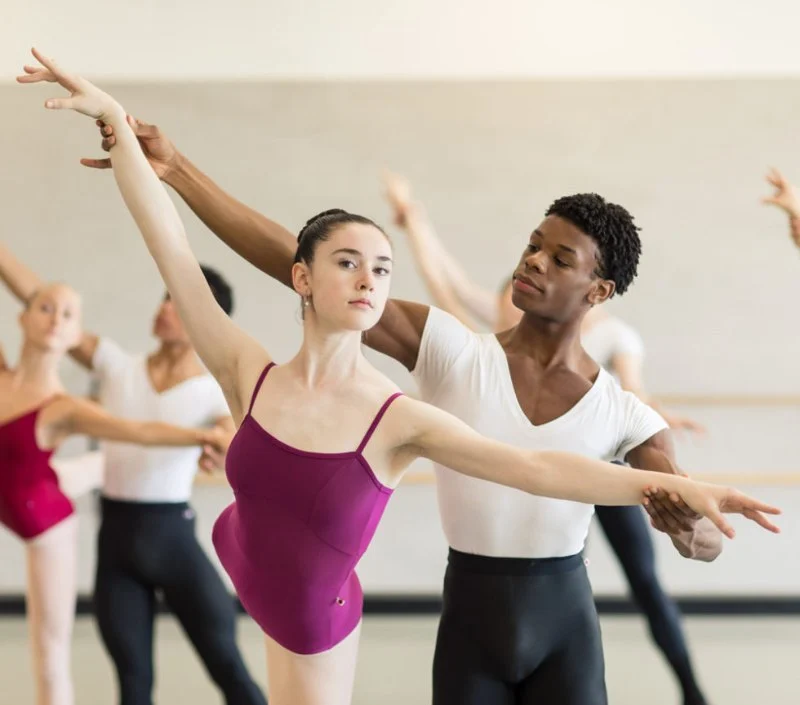
Ballet is the foundation of many dance styles, from contemporary to jazz and even hip-hop. Its emphasis on strength, flexibility, and precision makes it an essential part of every dancer's training. Whether you're a beginner or an experienced dancer, understanding the basics of ballet will enhance your overall dance technique. Ballet helps improve posture, balance, and body awareness, and is a discipline that every dancer can benefit from regardless of their chosen dance genre.
2. Basic Ballet Positions Every Dancer Should Master
Ballet is built on fundamental positions that form the basis for many movements. Here are the five basic positions of the feet that every dancer should master:
- First Position: The heels are together, and the toes point outward, forming a "V" shape.
- Second Position: The feet are wider than hip-width apart, with the toes pointing outward.
- Third Position: One foot is placed in front of the other, with the heel touching the arch of the front foot.
- Fourth Position: One foot is placed in front of the other, with a small gap between them.
- Fifth Position: The feet are placed tightly together with one foot in front of the other, with the heel touching the toe.
3. Key Ballet Movements and Techniques
Once the basic positions are mastered, dancers can begin learning important ballet movements and techniques. Here are some key ballet movements:
- Plie: A bending of the knees, which can be done in any of the positions. It's essential for fluidity and balance in many ballet steps.
- Releve: Rising onto the balls of the feet, often used in transitions and turns.
- Arabesque: A graceful position where one leg is extended behind the body, balancing on the other leg.
- Tendu: A movement where one leg is stretched out along the floor to the front, side, or back.
- Changement: A jump where the dancer changes the position of their feet mid-air.
4. Ballet Terminology: What You Need to Know
Ballet has a rich vocabulary, and understanding the terminology is key to improving your technique. Some essential terms include:
- Pointe: Dancing on the tips of the toes, often done with specialized pointe shoes.
- Adagio: Slow, controlled movements that help improve flexibility and balance.
- Fouette: A fast turning movement, often done in a series.
- Grand Battement: A large, sweeping kick of the leg.
- Pas de deux: A duet performed by two dancers, typically seen in ballet performances.
5. Real-Life Example: How Ballet Transformed a Dancer’s Career
A well-known ballet dancer, Sarah, started dancing at a young age, but it wasn’t until she focused on mastering the basics that her career took off. She spent months perfecting her technique, learning positions, and understanding terminology. Once she became fluent in these, she was able to perform more advanced steps and secure a position in a renowned ballet company. Sarah’s story highlights the importance of mastering the basics to unlock a dancer's full potential and set the stage for success.
6. Final Tips for Perfecting Your Ballet Technique
To truly excel in ballet, it’s important to continually refine your technique. Here are a few final tips to help you improve:
- Consistent Practice: Ballet requires dedication. Practice regularly, even if it’s just for short periods.
- Strengthen Your Core: A strong core is essential for balance and control in all ballet movements.
- Work on Flexibility: Stretching is crucial for improving your range of motion and preventing injury.
- Take Ballet Classes: Whether you’re a beginner or advanced dancer, taking regular ballet classes will help you refine your skills under the guidance of an expert instructor.

 Miller Street Dance Academy4.0 (37 reviews)
 Warrenton Ballet Center5.0 (10 reviews)
 Natyarchita0.0 (0 reviews)
 Elite Dance Center5.0 (21 reviews)
 CrossMovement Dance Ministry5.0 (5 reviews)
 The Dance Place5.0 (6 reviews)
 Belly Dance Explained – Complete Guide to Mastering the Art of Dance
 K-Pop Dance to Improve Flexibility – What You Need to Know
 Top 10 Ballroom Dance Moves for Beginners: Learn Essential Steps for Your Dance Journey
 Contemporary Dance Every Dancer Should Know – What You Need to Know
 Why Did Schools Teach Square Dancing? Cultural Roots and Educational Impact
 Why Waltz Is Popular to Burn Calories