Why Waltz Is Popular Tutorial: Understanding the Dance That Never Lost Its Charm
- waltz-history-and-cultural-roots - how the dance became a global ballroom classic
- basic-waltz-rhythm-and-timing - understanding the 3/4 musical structure
- beginner-waltz-steps-and-technique - foundational movement patterns explained simply
- partner-connection-and-dance-flow - why frame and posture matter more than speed
- real-life-learning-experiences - stories from students and social dance communities
The Enduring Appeal Behind Waltz Popularity
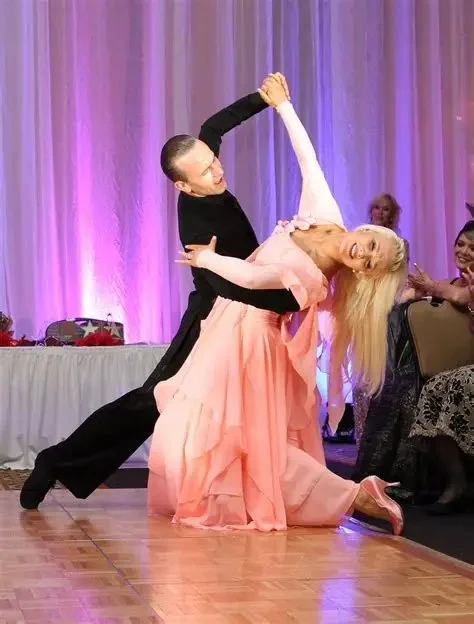
When people first encounter ballroom dancing, one of the earliest styles they hear about is the waltz. The question of why waltz is popular has a surprisingly deep answer that goes beyond simple elegance. It is not just a dance—it is a structured form of movement that combines music, emotion, posture, and connection in a way few other styles achieve.
The waltz has remained relevant for centuries because it is both accessible for beginners and refined enough for advanced dancers to continuously improve. Its smooth, flowing motion creates a feeling of weightlessness that makes even first-time dancers feel graceful.
A dance instructor from New York once described the waltz as “the only dance where beginners can feel like they are already part of a royal ballroom.” That emotional accessibility is a big part of its long-lasting popularity.
Historical Roots: How the Waltz Became a Global Standard
From European Ballrooms to Worldwide Social Dance
The waltz originated in the late 18th century in Europe and quickly spread across aristocratic ballrooms. At first, it was considered controversial due to its close partner hold, but over time it became the foundation of modern ballroom dance.
Why Its Structure Made It Timeless
Unlike many historical dances that faded with changing trends, the waltz survived because of its simple yet powerful structure: a consistent 3/4 rhythm and smooth rotational movement.
Real Cultural Story
In Vienna, annual ballroom traditions still center around the waltz. At major social events, even people who rarely dance participate, showing how deeply embedded the style is in cultural identity.
Understanding Waltz Rhythm and Timing
The Signature 3/4 Time Signature
One of the first things beginners notice in a waltz dance tutorial is the 3/4 timing. This means each measure contains three beats: “1-2-3, 1-2-3.” This rhythm creates a natural rise-and-fall motion that defines the dance.
How Rhythm Shapes Movement
The timing is not just musical—it directly affects posture, balance, and footwork. Dancers rise slightly on the second beat and lower on the third, creating a wave-like motion.
Beginner Learning Insight
A common challenge for new students is rushing the rhythm. Instructors at institutions like American Dance Academy often emphasize slowing down first to internalize timing before adding foot complexity.
Basic Waltz Steps Explained for Beginners
The Box Step Foundation
The most common starting point in beginner ballroom dancing is the box step. It forms a square pattern on the floor and teaches balance, timing, and coordination between partners.
Why Simple Steps Create Strong Technique
Although the steps look simple, mastering them properly builds the foundation for all advanced variations. Many professional dancers still return to basic patterns when refining technique.
Real Student Experience
A beginner student in Chicago shared how learning the box step initially felt repetitive. However, after a few weeks, the repetition transformed into muscle memory, allowing them to focus more on posture and partner connection.
Partner Connection and Frame: The Invisible Structure of Waltz
Why Frame Matters More Than Footwork
In ballroom dancing, “frame” refers to the upper body structure shared between partners. It determines direction, balance, and communication.
How Connection Creates Smooth Movement
A strong frame allows two dancers to move as one unit. Without it, even correct steps can look disjointed or unstable.
Common Beginner Mistake
Many beginners focus too much on their feet and forget upper body alignment. This leads to stiffness and breaks the natural flow of the dance.
Why Waltz Is Still Popular in Modern Dance Culture
Even in today’s fast-changing dance world, the waltz continues to hold a special place. Its combination of elegance, emotional expression, and structured simplicity makes it appealing across generations.
Social Dance and Emotional Expression
Unlike high-energy modern styles, the waltz offers a calm, flowing experience that emphasizes connection and musical interpretation.
Weddings, Competitions, and Social Events
The waltz remains a popular choice for weddings and formal events because it symbolizes harmony and unity between partners.
Community Learning Growth
Dance studios report that waltz classes often attract both younger students and older adults, making it one of the most inclusive ballroom styles.
Real Learning Journey: From Stiff Steps to Smooth Flow
A real example comes from a beginner adult class in California. At first, students struggled with coordination and timing. Within weeks of structured practice, they began to move with confidence and rhythm.
The instructor emphasized that progress in waltz is not about speed but about consistency. Students who practiced slowly but regularly improved faster than those who tried to rush advanced patterns.
This reflects the broader truth behind why waltz is popular: it rewards patience, discipline, and gradual improvement rather than instant perfection.
How Beginners Can Start Learning Waltz Effectively
Focus on Timing First
Before mastering footwork, beginners should focus on listening to music and internalizing the 3/4 rhythm.
Practice Without Overthinking
Repetition is more important than complexity. Even simple walking patterns can build strong foundations when done consistently.
Learn in a Structured Environment
Many students benefit from guided lessons at places like American Dance Academy, where structured progression helps avoid early frustration and builds confidence step by step.
 Miss Luluh Dance0.0 (0 reviews)
 AMA Academy of Performing Arts4.0 (39 reviews)
 Wonderfully Made Dance5.0 (48 reviews)
 Serenity Movement Studio5.0 (7 reviews)
 Company 'N Tempo Music, Theatre & Dance Centre5.0 (20 reviews)
 Kaliente Dance Studio4.0 (42 reviews)
 Did Henry Ford Promote Square Dancing in Schools? Discover the Legacy
 Samba for Adults: Common Mistakes to Avoid
 Shuffle Dance for Couples – Complete Guide
 Jazz Dance Step by Step Guide – What You Need to Know
 Ballroom Dance Every Dancer Should Know – Complete Guide
 Why Dance Schooling Is Important for Growth, Confidence, and Expression