
- The Importance of Correct Technique in Samba
- Mistake 1: Poor Posture and Body Alignment
- Mistake 2: Not Engaging Your Core Properly
- Mistake 3: Rushing Through the Steps
- Mistake 4: Neglecting Proper Footwork
- Optimizing Your Samba Dance for Success
The Importance of Correct Technique in Samba
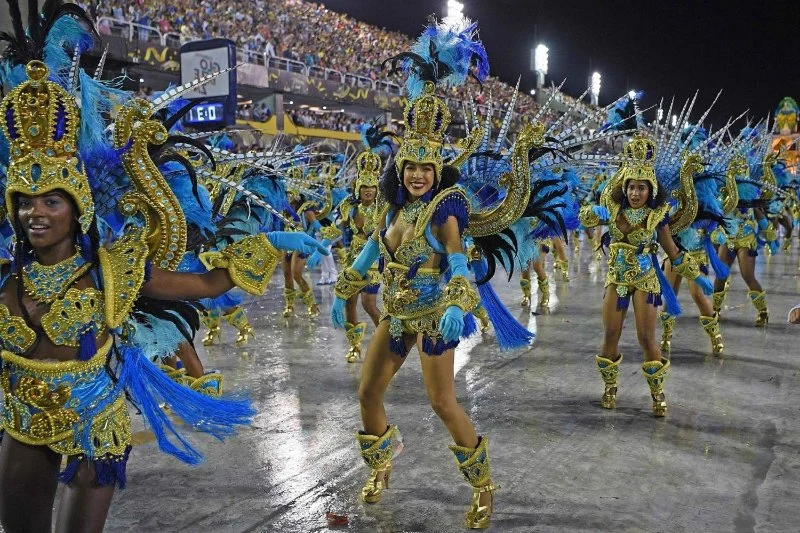
Samba dancing is an exciting and energetic dance form that combines rhythm, movement, and style. For adults who are learning samba, mastering the technique is crucial for both safety and success. Proper technique allows you to move fluidly, avoid injury, and enjoy the dance to its fullest. Without the correct technique, you may struggle with balance, coordination, and even end up with aches or strains from improper movements.
Whether you're dancing for fitness or just for fun, understanding the core components of samba technique will help you progress faster and enjoy the learning process more. Let’s explore the common mistakes that can hinder your samba performance and how to avoid them.
Mistake 1: Poor Posture and Body Alignment
One of the most common mistakes adults make when learning samba is not maintaining proper posture and body alignment. Samba requires a lot of hip movement and fluidity, but if you slouch or lean forward, it can restrict your mobility and make your movements feel stiff or awkward.
Proper posture is essential to dancing samba with grace and energy. Stand tall with your shoulders back, chest open, and spine straight. Imagine a string pulling you upward from the top of your head. This will engage your core and help you maintain balance, especially during faster or more intricate footwork.
Additionally, proper body alignment allows for smoother transitions between movements and improves your overall coordination. Focus on keeping your body centered over your feet, with your weight evenly distributed and slightly bent knees for better mobility.
Mistake 2: Not Engaging Your Core Properly
The core plays a significant role in samba dancing, as it helps you control your movements and maintain stability. A common mistake is neglecting to engage your core, which can lead to weak movements, poor posture, and a lack of fluidity in your dancing.
To properly engage your core, think about tightening your abdominal muscles as if you're bracing for a light punch to the stomach. This helps to stabilize your upper body while allowing your hips to move freely, a key element in samba’s signature rhythm.
Engaging your core will also improve your balance and help with more intricate footwork, allowing you to move more confidently and with control. Incorporate core exercises outside of class, like planks or leg raises, to strengthen this area and enhance your samba performance.
Mistake 3: Rushing Through the Steps
It’s easy to get excited and rush through the samba steps, especially when you're eager to learn. However, moving too quickly can lead to sloppy technique, which will hinder your progress. Samba is all about rhythm, and rushing through the movements takes away from the dance’s fluidity and grace.
Instead of trying to complete the steps as quickly as possible, focus on quality over speed. Take your time to learn the basic steps and gradually increase your speed as you gain confidence. It’s important to feel each movement and ensure your posture, footwork, and timing are all in sync before speeding up.
Practice slowly until you’ve mastered the technique, and then gradually work on increasing your tempo. By focusing on the details, you’ll develop a better understanding of the dance and enjoy the process more.
Mistake 4: Neglecting Proper Footwork
Footwork is one of the most important aspects of samba, as it drives the rhythm and flow of the dance. A common mistake for beginners is not paying enough attention to foot placement and weight distribution during each step. In samba, the feet should move quickly but precisely, with each step having a clear intention and direction.
Make sure your foot movements are sharp and defined. Each step should be placed gently but firmly on the ground, rolling from the ball of your foot to the heel or vice versa, depending on the specific movement. Avoid dragging your feet or shuffling, as this will create a sluggish appearance and reduce your overall performance.
Pay attention to the timing and rhythm of the music. Samba is a syncopated dance, meaning that the beats are often off the main pulse of the music, so precision in footwork is key to staying in time with the music.
Optimizing Your Samba Dance for Success
To truly excel in samba dancing, focus on developing a combination of strength, flexibility, and coordination. Here are a few additional tips to help you improve your samba technique:
- Stay consistent: Regular practice is essential for improvement. Try to practice several times a week to build muscle memory and enhance your technique.
- Work with a partner or instructor: Whether you’re taking a class or practicing with a partner, working with others can help you identify areas where you might be making mistakes and get real-time feedback on how to improve.
- Focus on your musicality: Samba is all about rhythm. As you practice, listen to the music and try to synchronize your movements with the beats. The more in tune you are with the music, the more fluid your dance will be.
- Incorporate strength and flexibility training: Strengthening your legs, hips, and core will improve your balance and stamina, making your samba movements smoother and more controlled. Flexibility training will allow you to move more freely and gracefully.
By paying attention to your technique and avoiding common mistakes, you'll be able to master samba and enjoy its many physical and social benefits. If you're looking to take your samba skills to the next level, visit American Dance Academy for expert lessons and personalized guidance to enhance your dance journey.
 The Little Gym of West Boylston4.0 (93 reviews)
 Chelsea Piers Connecticut4.0 (347 reviews)
 Snowglobe Perspective4.0 (43 reviews)
 Dance Arts Centre4.0 (74 reviews)
 Sungadan Karate Studios4.0 (31 reviews)
 Rain Studio City4.0 (340 reviews)
 Discover the Excellence of A+ All Star Productions School of the Dance
 How to Master Tango for College Students
 How to Master Samba Near Me in the USA
 How to Master Bachata Trending on TikTok – Tips and Techniques
 Samba for Couples: Common Mistakes to Avoid
 Can Jehovah’s Witnesses Go to School Dances? Understanding Beliefs and Choices