
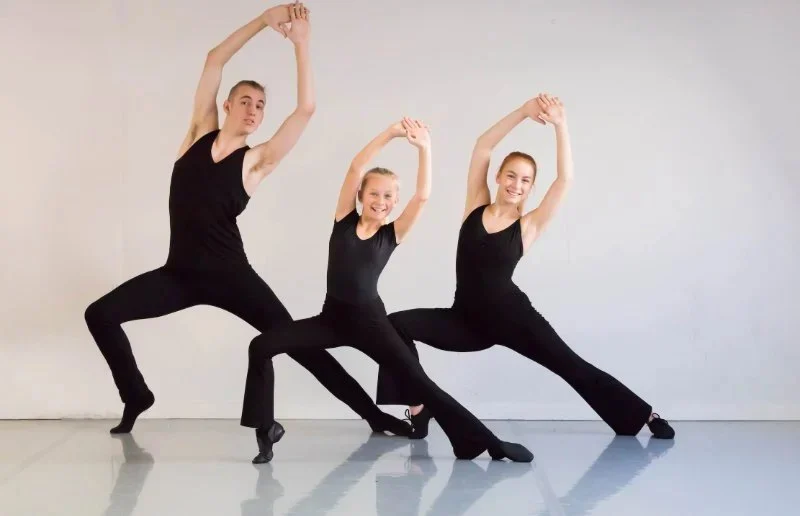
- origin-of-jazz-dance-popularity-step-by-step-explained - understanding where jazz dance comes from and why it keeps growing globally
- core-techniques-and-fundamentals-of-jazz-dance - breakdown of essential movements, rhythm control, and body coordination
- step-by-step-guide-for-beginners-learning-jazz-dance - practical progression from basic steps to advanced combinations
- real-life-dancer-experiences-and-community-impact - stories showing how jazz dance changes lives and builds confidence
- training-tips-and-common-mistakes-to-avoid - professional advice for faster improvement and injury prevention
- why-join-a-dance-community-for-faster-growth - how structured learning environments accelerate progress
Why Jazz Dance Continues to Captivate Dancers Across Generations
Jazz dance has never been just a style of movement—it is a living expression of rhythm, culture, and individuality. Its popularity keeps growing because it sits at the intersection of structure and freedom. Dancers can follow technical foundations while still expressing personal identity, which is rare in many other dance forms.
One of the most fascinating aspects of jazz dance popularity is how it evolves with music trends. From Broadway stages to modern pop choreography, jazz techniques continue to shape how performers move today. The blend of sharp isolations, fluid transitions, and explosive energy makes it instantly recognizable yet endlessly adaptable.
In many studios across the United States, including programs like American Dance Academy, instructors often notice that beginners are drawn to jazz because it feels both accessible and exciting. Unlike rigid classical forms, jazz invites creativity from day one.
Historical Roots and Modern Transformation of Jazz Dance
To understand why jazz dance remains relevant, it helps to look at its origins. Emerging in the early 20th century, jazz dance evolved alongside jazz music, influenced by African rhythms, ballet structures, and social dance movements. Over time, it became a staple in Broadway productions and later in film and television choreography.
A turning point in its popularity came during the golden age of musicals. Films like “Singin’ in the Rain” helped define jazz movement for mainstream audiences. Fast forward to today, and jazz dance techniques are embedded in music videos, stage performances, and even fitness programs.
A well-known example often discussed in dance communities involves a young performer who started in a small community studio and later transitioned into professional commercial dance after training in jazz fundamentals. Her adaptability across styles came directly from jazz training, which emphasizes versatility.
Core Techniques That Define Jazz Dance Style
At its core, jazz dance is built on a set of foundational techniques that every dancer must understand before progressing. These techniques are not just steps—they are tools for expression.
Body Isolation and Control
One of the most important jazz techniques is isolation. This involves moving one part of the body independently from others. Shoulders, ribs, hips, and head all learn to function separately, creating dynamic visual contrast.
Syncopated Rhythm and Musicality
Jazz dance is deeply connected to rhythm complexity. Dancers often work against the expected beat, emphasizing off-beats and syncopation. This creates a sense of surprise and energy that defines the style.
Sharp Lines and Fluid Transitions
A hallmark of jazz dance techniques is contrast. Movements shift quickly between sharp, staccato hits and smooth, flowing transitions. This contrast keeps choreography visually engaging and expressive.
Step-by-Step Guide to Learning Jazz Dance as a Beginner
Learning jazz dance step by step allows beginners to build confidence without feeling overwhelmed. The process is structured but flexible enough to allow personal growth.
Step 1: Understanding Posture and Alignment
Before learning choreography, dancers focus on posture. A strong spine, engaged core, and balanced weight distribution are essential. Poor alignment often leads to slow progress or injury.
Step 2: Mastering Basic Isolations
Beginners start with head rolls, shoulder lifts, rib cage circles, and hip isolations. These movements seem simple but form the foundation of all advanced jazz choreography.
Step 3: Learning Traveling Steps
Steps like jazz walks, chassés, and grapevines introduce movement across space. These steps help dancers transition smoothly across the stage while maintaining rhythm control.
Step 4: Introducing Turns and Leaps
Once basic coordination is established, dancers begin working on pirouettes, chain turns, and leaps. These movements require strength, balance, and timing precision.
Step 5: Combining Movements into Choreography
At this stage, dancers begin connecting steps into short routines. This is where musical interpretation becomes essential, allowing personal expression to emerge.
Many students at American Dance Academy describe this stage as the moment everything “clicks,” where individual steps transform into storytelling through movement.
Real Experiences That Show the Impact of Jazz Dance Training
A recurring story in dance communities involves beginners who start with hesitation but grow into confident performers within months. One student shared how jazz dance helped them overcome stage fright. Initially struggling with rhythm, they eventually performed in a school showcase with full confidence.
Another example comes from competitive dance circuits where jazz routines often score high due to their energy and versatility. Judges frequently highlight dancers who demonstrate strong control over transitions and emotional expression.
These stories are not isolated. They reflect a broader truth: jazz dance builds more than technique—it builds confidence, discipline, and presence.
Common Mistakes Beginners Make and How to Avoid Them
Many new dancers struggle not because jazz dance is too difficult, but because they rush foundational steps. One common mistake is skipping isolation training, which leads to stiff and disconnected movement.
Another issue is ignoring musicality. Some beginners focus only on steps without listening to rhythm changes, which makes performances feel mechanical.
Professional instructors often recommend slowing down progress intentionally. Mastery in jazz dance comes from repetition, not speed.
Training Strategies That Improve Jazz Dance Progress
Effective training involves consistency and mindful practice. Short daily sessions focusing on specific skills often yield better results than long irregular practice sessions.
Strength and Flexibility Conditioning
Jazz dance requires both explosive strength and flexibility. Core training, leg conditioning, and stretching routines are essential components of improvement.
Musical Awareness Development
Dancers are encouraged to practice with different genres of music. This improves adaptability and enhances rhythm interpretation.
Recording and Self-Evaluation
Watching recordings of practice sessions helps identify posture issues, timing errors, and movement clarity. This technique is widely used in professional training environments.
Why Structured Dance Communities Accelerate Learning
While self-learning is possible, structured environments provide feedback, correction, and motivation. Studios like American Dance Academy create environments where dancers grow through guided instruction and peer interaction.
Being part of a community also exposes dancers to performance opportunities, choreography workshops, and collaborative learning experiences that are difficult to replicate alone.
In many cases, dancers who join structured programs improve significantly faster than those practicing independently because they receive immediate technical correction.
The Future of Jazz Dance in Modern Performance Culture
Jazz dance continues to evolve with digital media, social platforms, and global choreography trends. Today, it is not uncommon to see jazz-inspired movement in viral dance videos or global stage performances.
Its adaptability ensures that jazz dance remains relevant regardless of changing music styles. Whether in competitive dance, entertainment industry choreography, or fitness programs, its influence continues to expand.
As long as creativity and rhythm remain central to human expression, jazz dance will maintain its place as one of the most dynamic and influential dance forms in the world.
 Rumbón Dance Studio0.0 (0 reviews)
 CREATE COMPLEX5.0 (1 reviews)
 Gitanjali Music And Dance Academy0.0 (0 reviews)
 Fred Astaire Dance Studio4.0 (7 reviews)
 Full Spectrum Performing Arts Academy5.0 (2 reviews)
 Elite Pole and Fitness4.0 (512 reviews)
 How to Use Instagram to Find the Best Dance School
 Jazz Dance You Can Learn at Home: Step by Step
 Why Swing Dance Is Popular for Adults | American Dance Academy
 The History of Line Dance Step by Step Guide
 Waltz Explained – What You Need to Know
 How to Choose the Best A Level Dance School for Your Future