Dance Class Hydration and Breaks: Plan for the Effort
On this page
Quick answer
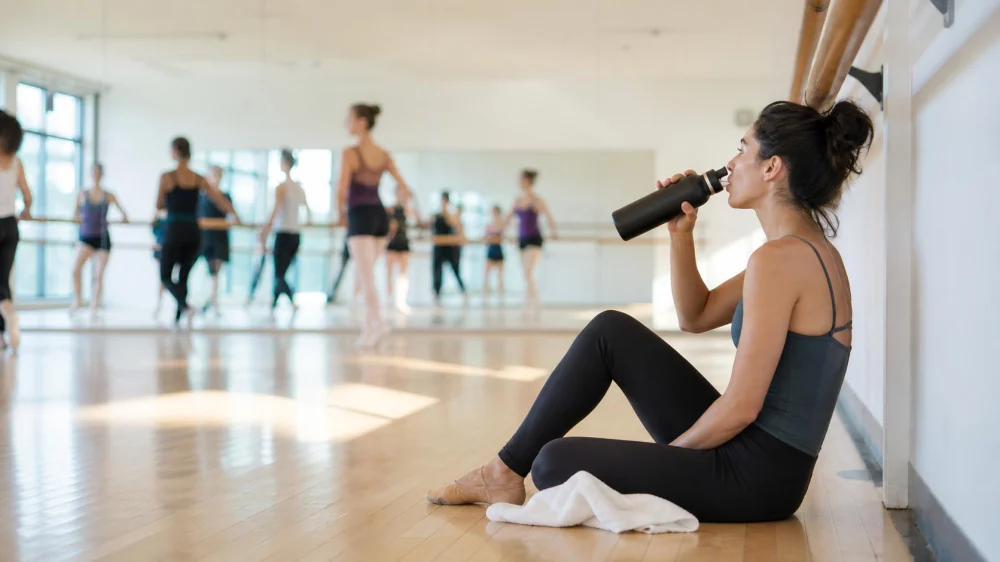
Bring an accessible water bottle, arrive normally hydrated, and use breaks before thirst, heat, dizziness, cramping, or fatigue disrupt safe movement. Needs vary with class length, intensity, room temperature, clothing, health, and the individual. Do not force a fixed volume or use energy drinks as a substitute for rest; tell the instructor and stop when symptoms are concerning.
Why it matters
A dance hydration and break plan is a simple routine for matching fluids, rest, room conditions, and workload to the class. It supports attention and safer movement but cannot prevent every injury or heat-related problem.
This general U.S. guidance is for recreational classes. Children, pregnant dancers, older adults, people taking certain medications, and dancers with medical conditions need individualized advice. Studio rules and instructor directions also apply.
Practical checklist
- Ask about class length, intensity, room temperature, water breaks, and bottle placement.
- Bring a closed, labeled bottle that will not leak onto the dance floor.
- Eat and drink according to your usual health guidance rather than trying a new routine on class day.
- Wear class-appropriate layers that can be adjusted without violating safety or dress rules.
- Know your early warning signs: unusual dizziness, headache, nausea, chills, confusion, weakness, or loss of coordination.
- Tell the instructor about relevant limitations and where you will step out if needed.
- Plan recovery time and transportation after unusually demanding classes or hot conditions.
Step-by-step plan
- Prepare before arrival. Check the environment and class demand, bring water, and avoid beginning already overheated or rushed.
- Place the bottle safely. Keep it off the movement area and use the studio's designated location so spills do not create slip hazards.
- Use scheduled breaks efficiently. Sip comfortably, adjust layers, notice breathing and coordination, and return only when ready.
- Request an extra pause when needed. Step to a safe edge, communicate with the instructor, and avoid abruptly stopping in another dancer's pathway.
- Modify effort. Mark combinations, reduce range, or sit out when fatigue degrades control; continuing at full intensity is not a test of commitment.
- Respond to heat symptoms. Stop activity, move to a cooler place, and follow appropriate first-aid or medical guidance rather than trying to dance through them.
- Review afterward. Note which conditions, clothing, class segments, or schedule choices affected comfort, then adjust the next session.
Keep a brief note of class duration, perceived effort, room heat, breaks, symptoms, and recovery. Avoid rigid fluid targets unless a qualified professional has provided them for you.
Limits and warning signs
Thirst is useful but not the only signal, and urine color or sweat rate alone cannot diagnose hydration status. Drinking excessive water can also be harmful. Sports drinks, electrolyte products, and supplements are not automatically needed for ordinary classes.
Stop and seek immediate help for confusion, fainting, severe weakness, chest pain, difficulty breathing, seizure, or hot altered behavior. Seek medical guidance for recurring dizziness, headaches, unusual fatigue, or medication-related heat concerns before returning to full participation.
Frequently asked questions
Should I drink a fixed amount during every class?
No. Needs vary. Use ordinary hydration, class conditions, symptoms, and individualized professional guidance rather than forcing a universal volume.
Is an electrolyte drink always better than water?
No. Many routine classes do not require a sports drink. Duration, intensity, heat, diet, and medical factors affect the choice.
Can I leave the floor whenever I need a break?
Safety comes first, but exit predictably. Move to the edge without crossing traffic and tell the instructor when possible.
What if the studio does not schedule water breaks?
Ask before class how to take one safely. A policy should not require you to ignore concerning symptoms.
Sources and evidence
This article reflects broad exercise and heat-safety principles: begin prepared, allow accessible fluids, adjust workload, recognize warning signs, and seek help for severe symptoms. Studio procedures and qualified health guidance should address individual needs.
Conclusion and next steps
For the next class, bring a leakproof bottle, identify the safe exit and break area, and decide which symptoms mean stop. The best routine is flexible: it supports the class without overriding your body's signals or the need for medical assessment.




 Academy Of Odissi Dance Tampa0.0 (0 reviews)
 Dance with Alexis5.0 (6 reviews)
 Warwick Center for the Performing Arts4.0 (25 reviews)
 Inspire Dance Studio5.0 (25 reviews)
 Fred Astaire Quad Cities / Addicted To Ballroom4.0 (36 reviews)
 Let's Dance4.0 (24 reviews)
 Samba for Beginners – Complete Guide
 Do 6th Graders Have School Dances? What Students & Parents Should Know
 A Dance School Has 54 Students Who Learn Salsa: The Power of Dance Education
 Ballroom Dance for College Students: Tips from Experts
 Are Dance Schools Considered Dance Halls? Exploring the Difference
 Bollywood Dance for Couples: Common Mistakes to Avoid