What is Samba Dance?
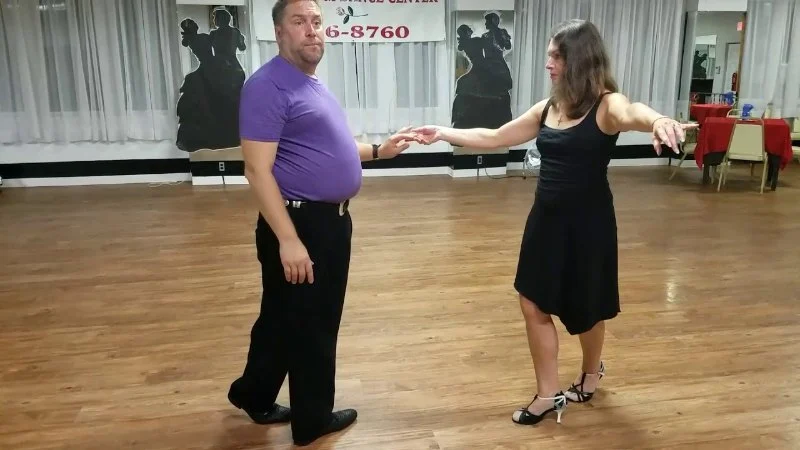
Samba is a lively, rhythmical dance that originated in Brazil and is known for its energetic and playful movements. Rooted in African rhythms, Samba has become one of the most iconic dances in the world, especially famous for its performance at the Rio Carnival. While Samba is commonly associated with parades and street celebrations, it is also a popular ballroom dance enjoyed by people all over the world.
The History of Samba
Samba's origins date back to the 19th century, influenced by African slaves who brought their music and dance traditions to Brazil. Over the years, Samba has evolved into various forms, with some focusing on fast footwork and others emphasizing fluid, hip-driven movements. Today, Samba is both a professional and social dance style performed at festivals, parties, and competitions worldwide.
The Basic Steps of Samba
Before you hit the dance floor, it’s essential to learn the fundamental steps that form the foundation of Samba. The dance is characterized by quick foot movements and rhythmic body isolations, especially in the hips. Here are the basic steps every beginner should learn:
1. The Samba Bounce
The "Samba bounce" is the most fundamental aspect of the dance. It’s the up-and-down motion that creates the signature rhythm of Samba. To perform the bounce, bend your knees slightly and alternate between straightening and bending them as you move to the beat of the music. This motion adds energy and flow to your movements.
2. The Basic Step (Samba Step)
The basic Samba step consists of three movements in each count: Step with one foot, replace weight to the other foot, and then step with the first foot again. It can be broken down as follows:
- Step to the side with your left foot
- Replace weight onto the right foot
- Step back with the left foot and repeat on the opposite side
3. The Bota Fogo
The Bota Fogo is a classic Samba move in which the dancer steps forward with one foot and then crosses it behind the other foot in a quick, fluid motion. This step is crucial for adding flair and creativity to your Samba routine, especially in partner dancing.
4. The Samba Walk
The Samba walk is a stylish, walking step that features a slight sway and bounce. It’s often incorporated into Samba performances to transition between more intricate steps while maintaining the dance’s rhythm and energy.
Tips for Beginners Learning Samba
Learning Samba can be a fun and rewarding experience, but it takes time and patience to master the steps. Here are a few tips to help you get started on the right foot:
1. Start with the Basics
As with any dance style, it’s essential to start with the fundamental steps. Mastering the bounce, basic steps, and body isolations will set the foundation for more advanced movements later on. Don’t rush; take your time to build muscle memory.
2. Practice the Rhythm
Samba is all about rhythm. Spend time listening to Samba music and tapping along to the beat. Understanding the tempo and rhythm will help you coordinate your footwork and body movements more effectively.
3. Keep Your Hips Loose
The signature movement of Samba comes from the hips. Ensure that your hips remain relaxed and fluid as you move. Focus on generating movement from your lower body while maintaining good posture with your upper body.
4. Take Regular Dance Classes
Attending Samba dance classes regularly is a great way to improve your skills. Look for classes at local dance schools or even online tutorials that specialize in teaching beginners. Learning from experienced instructors can help you avoid common mistakes and stay motivated.
5. Be Confident
Samba is an expressive and lively dance, so confidence is key. Don’t worry if you make mistakes—embrace the fun and energy of the dance! As you practice and gain more experience, your confidence will naturally grow.
The Different Types of Samba
Samba is a diverse dance with several variations, each having its unique style and rhythm. Below are the most common types of Samba you might encounter:
1. Samba de Gafieira
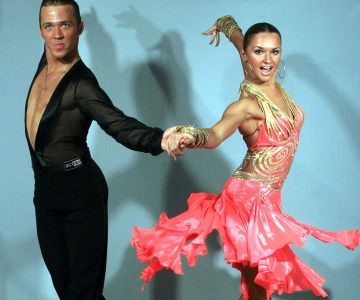
Samba de Gafieira is the ballroom-style Samba that originated in the dance halls of Brazil. It’s often performed in pairs and involves graceful footwork, quick spins, and elegant lifts. This style is popular in social and competitive dance settings.
2. Samba no Pé
Samba no Pé is the solo, street-style Samba that you typically see during Brazilian Carnivals. This energetic form of Samba focuses on the dancer’s footwork, hip movements, and overall rhythm, and it is often performed in parades or in a group setting.
3. International Samba
The International Samba is a competitive form of the dance often seen in ballroom dance competitions. It follows strict guidelines for footwork, posture, and timing and is performed to a faster tempo than other types of Samba.
4. Pagode Samba
Pagode Samba is a more relaxed, musical style of Samba often played at informal gatherings and parties. It’s less structured than other forms and encourages free expression through movement and rhythm.
How to Choose the Right Samba Dance Classes
When selecting Samba classes, it's essential to choose one that suits your goals, skill level, and learning style. Here are some tips for selecting the right class:
1. Consider Your Skill Level
If you're a complete beginner, look for classes that are specifically designed for new dancers. Many dance schools offer beginner Samba courses that start with the basics. As you progress, you can move on to more advanced classes.
2. Find a Class with a Good Instructor
Look for instructors who specialize in teaching beginners and have a clear teaching style. A good instructor will break down the steps into manageable pieces and give you personalized feedback to improve your technique.
3. Check the Class Format
Some schools offer group classes, while others may offer private lessons. If you’re more comfortable in a one-on-one setting, consider booking a private lesson. For those who enjoy the social aspect of dance, group classes provide an opportunity to meet other learners.
At *American Dance Academy*, we offer a variety of Samba classes for beginners that are designed to help you learn the fundamentals of this exciting and vibrant dance. Whether you're preparing for a social event, a performance, or just want to have fun, our classes are perfect for starting your Samba journey.
 Torrance Arts Academy4.0 (31 reviews)
 Emerald City Dance Explosion3.0 (3 reviews)
 Expressions Dance Studio5.0 (1 reviews)
 Quenedit Ballet School4.0 (29 reviews)
 Fred Astaire Dance Studios4.0 (84 reviews)
 North Carroll Dance Inc.4.0 (18 reviews)
 Do Guys Wear Boutonnieres in High School Dances?
 Can We Film in the Kaufman School of Dance USC – Rules & Tips
 A Dance School Has 54 Students Who Learn Salsa: What It Means for the Dance Community
 How to Use Instagram to Find the Best Dance School
 Ballroom Dance Every Dancer Should Know – Complete Guide
 Why Was Square Dancing Taught in School?