
- Understanding-Waltz-Fitness-Routine-and-Its-Body-Benefits
- Building-Balance-Core-Control-and-Posture-for-Waltz-Training
- Step-by-Step-Method-to-Master-Basic-Waltz-Movement
- Real-Life-Learning-Experience-and-Common-Beginner-Mistakes
- How-to-Practice-and-Improve-with-Structured-Dance-Workouts
Understanding How a Waltz Fitness Routine Transforms the Body
A waltz fitness routine is not just a ballroom dance practice—it is a structured movement system that trains rhythm, posture, coordination, and cardiovascular endurance at the same time. Many beginners approach it as simple choreography, but those who continue quickly realize it works like a full-body workout disguised as elegance.
The signature three-beat rhythm of the waltz forces the body into controlled motion patterns. Unlike fast-paced cardio workouts, the waltz demands smooth transitions, which activate stabilizing muscles in the legs, core, and lower back. Over time, this creates a blend of strength and fluidity that is hard to achieve through traditional gym training alone.
In professional ballroom environments such as training programs at American Dance Academy, instructors often describe the waltz as a “controlled glide system.” It teaches dancers to move efficiently while maintaining continuous balance shifts, which is the foundation of graceful movement.
Why Balance and Posture Matter More Than Memorizing Steps
When learning how to master waltz, many beginners focus too heavily on footwork patterns. While steps are important, the real challenge lies in maintaining posture alignment while moving through rotating patterns.
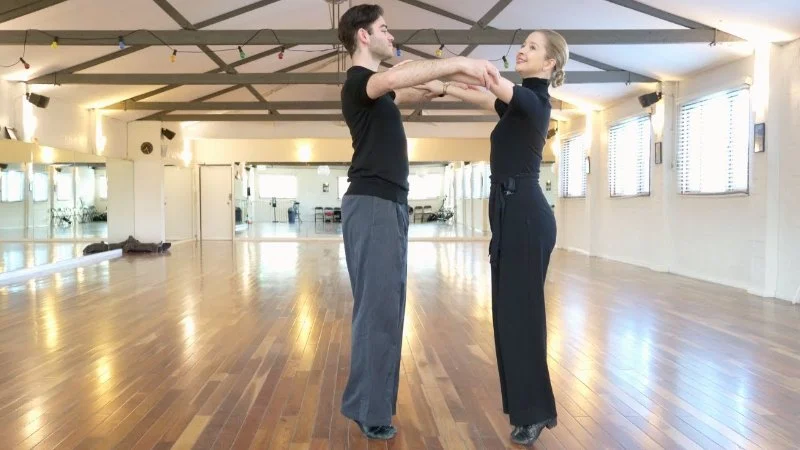
The waltz fitness routine demands a vertical spine, relaxed shoulders, and engaged abdominal muscles. Without these elements, even correct steps can appear unstable or forced.
A helpful mental image used by many instructors is imagining a string pulling the crown of your head upward while your feet glide beneath you. This visualization naturally improves posture and reduces unnecessary tension in the shoulders.
In ballroom fitness training programs, posture correction is often the first phase before choreography is introduced. This ensures the body learns alignment before speed or complexity are added.
Step-by-Step Progression for Beginners Learning Waltz Movement
To effectively build a waltz dance workout foundation, progression should be slow and structured rather than rushed. A strong routine usually develops in layers, each focusing on a different skill set.
Phase One: Rhythm Awareness
The first stage focuses entirely on hearing and feeling the 3/4 timing. Beginners often practice by stepping in place while counting “one-two-three” repeatedly. This develops internal rhythm recognition before movement is introduced.
Phase Two: Basic Step Integration
Once rhythm becomes natural, simple forward and backward movements are added. The goal is not speed but consistency. Each step should align with breath control to maintain flow.
Phase Three: Rotation and Flow
Rotation is where most learners struggle. The body must coordinate turning while maintaining balance through the center core. This is where the waltz transitions from exercise into dance.
In structured classes like those at American Dance Academy, instructors often slow rotation drills significantly to help dancers feel control before adding full motion sequences.
A Real Student Journey: From Stiff Movements to Natural Flow
One beginner student, who joined a ballroom fitness class with no prior dance background, struggled initially with stiffness and timing errors. During the first weeks, every movement felt mechanical and disconnected from the music.
Instead of pushing for faster progress, the instructor focused on daily micro-training sessions—just ten minutes of rhythm stepping combined with posture resets. After three weeks, the student began to naturally anticipate the beat rather than count it.
By the second month, the transformation was visible. Movements became smoother, and balance improved significantly during turns. This progression is a common example of how consistent exposure to a structured waltz fitness routine can retrain both body and rhythm perception.
Common Mistakes That Slow Down Progress
Many beginners unintentionally delay improvement by repeating avoidable errors. One of the most common issues is overthinking foot placement while ignoring upper body stability.
Another frequent mistake is rushing through steps without mastering weight transfer. In waltz movement, each shift of weight determines the quality of the next step. Poor weight control leads to imbalance during turns.
Tension is also a hidden problem. When learners grip their muscles too tightly, especially in the shoulders and neck, the natural flow of movement disappears. Relaxation is not optional—it is essential for performance quality.
Training Methods That Improve Waltz Fitness Efficiency
A structured approach to practice significantly improves learning speed. One effective method is segmented repetition, where dancers isolate one movement pattern and repeat it slowly before combining it with others.
Another method involves mirror training. Watching your own posture helps identify misalignment in real time. This feedback loop accelerates correction and builds body awareness.
Music variation is also valuable. Practicing with slightly different tempos helps the body adapt to rhythm changes without losing form. This flexibility is essential in real performance environments.
Advanced learners often integrate cross-training exercises such as core strengthening and ankle stability drills. These directly support smoother transitions in the waltz fitness routine.
How Consistent Practice Builds Long-Term Dance Confidence
Consistency is the defining factor in mastering waltz movement. Short, repeated sessions are more effective than occasional long practices. The nervous system learns movement patterns through repetition, not intensity.
Over time, dancers begin to experience what instructors often call “muscle memory flow,” where movement happens without conscious correction. This is when the waltz transitions from learned steps into natural expression.
Many students at American Dance Academy report that after several weeks of structured training, they start applying waltz posture habits even outside the studio—walking more gracefully, standing taller, and moving with greater awareness.
Why Waltz Training Becomes More Than Just Exercise
Beyond physical benefits, waltz practice reshapes how individuals perceive rhythm and movement in daily life. It builds patience, control, and awareness of spatial flow.
Unlike high-impact workouts, a waltz fitness routine combines mental focus with physical coordination. This dual engagement makes it both calming and energizing at the same time.
For many learners, it becomes a long-term discipline rather than a temporary fitness activity. The combination of music, movement, and structure creates a sustainable practice that continues to evolve with experience.




 Florida Dance Theatre4.0 (23 reviews)
 The Crystal Ballroom Dance Center5.0 (36 reviews)
 Dance Fitness With Norma5.0 (5 reviews)
 The Jewel of Art Dance Studio4.0 (20 reviews)
 Julie Caprio Ballet5.0 (7 reviews)
 Planet U Performing Arts5.0 (26 reviews)
 How to Master Ballet: Cultural Origins, Techniques, and Influencers
 Shuffle Dance for Seniors: Common Mistakes to Avoid and Tips for Success
 Salsa Explained: Common Mistakes to Avoid for Perfect Dance Moves
 Swing Dance You Can Learn at Home – Everything You Should Know for Beginners
 The History of Belly Dance Trending on TikTok
 How to Choose Between Manual and Automatic Transmission