
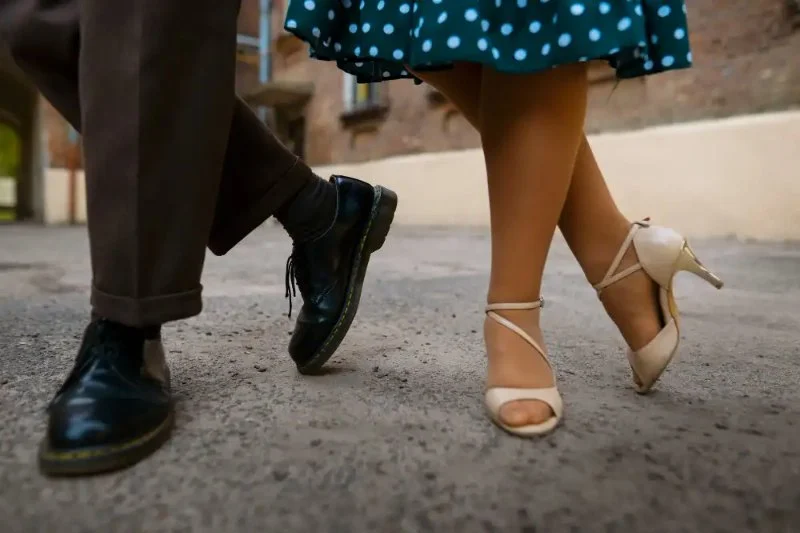
What is Swing Dance?
Swing dance is a lively, energetic form of social dance that developed in the early 20th century, primarily in the United States. Known for its upbeat rhythm and acrobatic moves, swing dance is often performed to big band music or jazz. Whether it's the Jitterbug, Lindy Hop, or East Coast Swing, learning swing dance is a fun way to stay fit, improve your rhythm, and enjoy music. The best part is, you can learn it right from the comfort of your home!
1. A Brief History of Swing Dance
Swing dance originated in the 1920s and became popular in the 1930s and 1940s. The energetic dance style evolved with jazz music and became a favorite social activity during the Great Depression and World War II. Today, it remains a fun and vibrant part of the global dance community.
Why You Should Learn Swing Dance at Home
Learning swing dance at home has many advantages, especially in today's fast-paced world where time is limited. Here are some reasons why swing dance is a great activity to try at home:
1. Fun and Engaging Workout
Swing dance is a high-energy workout that gets your heart pumping while also engaging your entire body. The rhythmic footwork, spins, and jumps provide an excellent cardiovascular workout, helping to burn calories and improve overall fitness.
2. Boosts Coordination and Balance
As you learn swing dance, you'll develop better coordination and balance. The footwork and body movements require precise timing and control, which improves muscle memory and body awareness.
3. Learn at Your Own Pace
Learning swing dance at home allows you to go at your own pace. Whether you're a complete beginner or have danced before, you can repeat steps and move forward when you're ready. You don't need to worry about keeping up with others in a class, giving you more confidence to practice.
Step-by-Step Guide to Learning Swing Dance
Now that you know why swing dance is a great option for learning at home, let’s dive into the basic steps. Here's a step-by-step guide to getting started with swing dance:
1. Start with the Basic Swing Step
The basic swing step consists of a simple rock-step and step-together-step. Start by learning this foundation to build all other moves. Practice until you can do it comfortably, ensuring smooth transitions between steps.
2. Master the Lindy Hop
The Lindy Hop is one of the most famous swing dance moves. It combines quick footwork with lively spins. To master this, start with small steps and gradually work up to more advanced variations. Practice your rhythm and timing to sync with the music.
3. Practice the East Coast Swing
East Coast Swing is a simpler version of the Lindy Hop and is great for beginners. It involves basic steps to the beat of the music, making it perfect for at-home practice. Focus on your posture and try to stay light on your feet.
4. Add Spins and Turns
Once you're comfortable with the basic steps, incorporate spins and turns into your routine. Start slowly and practice each turn multiple times. Focus on maintaining your balance while executing these exciting moves.
5. Practice with Music
Swing dance is best done to upbeat music, usually jazz or big band. Start with slower songs, then gradually increase the tempo as you get more comfortable with the movements. Dancing to music helps you develop better rhythm and timing.
Tips for Practicing Swing Dance at Home
To make the most of your swing dance practice sessions at home, consider these helpful tips:
1. Use a Full-Length Mirror
Having a mirror helps you observe your movements and correct your posture. Make sure to stand in front of a full-length mirror when practicing so you can monitor your form and ensure you're performing the steps correctly.
2. Practice Regularly
Like any skill, consistency is key. Practice swing dance regularly to improve your technique and build muscle memory. Even a few minutes of practice every day can make a significant difference in your progress.
3. Keep Your Feet Light
When performing swing dance moves, focus on staying light on your feet. This makes the movements more fluid and allows you to transition smoothly from one step to the next.
4. Record Yourself
Recording your dance sessions can help you track your progress and identify areas for improvement. Watching yourself dance allows you to spot mistakes and work on refining your technique.
Common Mistakes to Avoid
While learning swing dance at home, be aware of these common mistakes:
1. Forgetting to Stay Relaxed
One common mistake is trying too hard to control every movement. Swing dance is all about fluidity and flow. Remember to stay relaxed and enjoy the music as you dance.
2. Not Paying Attention to Timing
Timing is everything in swing dance. Avoid rushing through steps or missing the beat. Practice with music and count the rhythm to improve your timing.
3. Skipping Warm-Ups
Don’t skip warm-ups before dancing! Warming up your muscles is essential to prevent injury and ensure you're ready for movement. Incorporate stretches and light cardio to get your body prepared.
Real-Life Success Story
Here's a story from a student at the American Dance Academy who successfully learned swing dance at home:
"I started learning swing dance at home after watching some videos online. It was a fun way to stay active and challenge myself. After practicing consistently for a few months, I felt more confident in my movements and even started performing at local events. Swing dance has become a passion of mine, and I’m so glad I started learning at home!"
This story demonstrates how learning swing dance at home can be both enjoyable and rewarding. With dedication and practice, you can master the moves and develop a new skill.


 Center Stage Dance Academy of Poynette5.0 (6 reviews)
 Blue Rose Dance Studio5.0 (5 reviews)
 Limitless Valley Dance Company0.0 (0 reviews)
 Dynamic Music Studio Co5.0 (63 reviews)
 Natyarchita0.0 (0 reviews)
 Dahl Dance5.0 (49 reviews)
 Can Baptists Go to School Dances? Exploring the Religious Perspective
 Why Bollywood Dance Is Popular: Cultural Origins Explained
 K-Pop Dance Cultural Origins: What You Need to Know About Its History and Influence
 Waltz for Adults – Everything You Should Know
 Why Did US Schools Teach Square Dancing in the 20th Century?
 How to Master Bachata Workout Benefits