
- - waltz timing and rhythm foundation for beginners - #waltz-timing
- - posture and frame control in ballroom dance - #dance-posture
- - step patterns and rotation mechanics explained - #waltz-steps
- - real student learning journey and improvement story - #dance-progress-story
- - partner connection and lead-follow communication - #partner-connection
- - common mistakes dancers make in waltz - #waltz-mistakes
- - practice strategies for long-term mastery - #practice-methods
Waltz Timing and Rhythm Foundation for Beginners
Learning ballroom dance often begins with one essential style that defines elegance, control, and musical sensitivity—the waltz. When exploring How to Master Waltz Every Dancer Should Know, the first and most important element is timing. Without rhythm control, even perfect steps lose their musical flow.
The waltz is traditionally built on a 3/4 time signature, meaning dancers move in a repeating pattern of three beats per measure. The first beat is typically the strongest, giving dancers a natural rise and fall motion that defines the style’s signature elegance.
Beginners often struggle with rushing or dragging steps, especially when transitioning between turns. A helpful approach is to mentally count “1-2-3” consistently while practicing basic steps without music first. This allows muscle memory to form before introducing tempo variations.
Once rhythm becomes stable, dancers begin to feel the natural swing of the waltz. This is where movement stops feeling mechanical and starts becoming expressive. Many instructors emphasize that mastering timing is more important than memorizing complex choreography in early stages.
Posture and Frame Control in Ballroom Dance
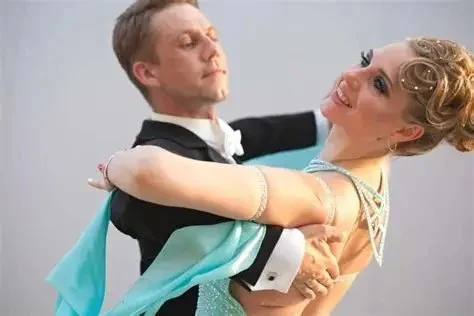
Proper posture is the backbone of every successful waltz performance. In fact, one of the key principles in How to Master Waltz Every Dancer Should Know is maintaining a consistent frame that supports both balance and partner connection.
The upper body should remain lifted with relaxed shoulders and an engaged core. Dancers often make the mistake of leaning too far forward or backward, which disrupts balance and reduces fluidity during turns.
The frame between partners acts like an invisible structure. The leader and follower must maintain consistent arm positioning without stiffness. Too much tension restricts movement, while too little reduces control.
A real example comes from a beginner dance student in Chicago who initially struggled with posture collapse during turns. After focusing solely on frame training for two weeks, their waltz performance improved dramatically, with smoother rotations and better partner synchronization.
This demonstrates that posture is not just aesthetic—it directly affects technical execution and partner communication.
Step Patterns and Rotation Mechanics Explained
Understanding step structure is essential when learning How to Master Waltz Every Dancer Should Know. The basic waltz step pattern typically follows a box or progressive movement depending on style variations.
The box step is often introduced first because it helps dancers understand weight transfer. Each step must be executed with full commitment of body weight, rather than partial placement. This ensures stability during transitions.
Rotation in waltz is not simply turning the feet; it is a coordinated movement involving hips, torso, and frame alignment. Many beginners mistakenly rotate only the lower body, which leads to imbalance.
Advanced dancers use rise and fall technique to create a floating visual effect. This involves slightly bending the knees on beat one, rising through beats two and three, and lowering again as the next measure begins.
A dance workshop in New York documented how students who practiced slow-motion rotations improved balance retention by over 40% within a month. This highlights the importance of controlled repetition over speed.
Real Student Learning Journey and Improvement Story
To truly understand How to Master Waltz Every Dancer Should Know, it helps to look at real learning journeys rather than theory alone.
One beginner student joined a ballroom class with no prior dance experience. At first, their movements were rigid, and timing inconsistencies made partner coordination difficult. However, after consistent practice focusing on rhythm and frame, noticeable improvement occurred within weeks.
The turning point came when the student stopped focusing on individual steps and started listening to musical phrasing. Instead of counting mechanically, they began feeling the rise and fall of each measure.
Within two months, their waltz performance transformed from hesitant steps to smooth, flowing movement that matched their partner’s lead effortlessly.
This progression shows that mastery is not about speed of learning but about internalizing movement quality.
Partner Connection and Lead-Follow Communication
Waltz is fundamentally a partner dance, which means communication between dancers is just as important as technique. One of the core aspects of How to Master Waltz Every Dancer Should Know is understanding non-verbal lead-follow interaction.
The leader initiates movement through subtle shifts in body weight and frame direction, while the follower responds by maintaining sensitivity to these signals. This creates a seamless flow rather than forced movement.
Many beginners struggle with over-leading or over-following. Over-leading can make the dance feel rigid, while over-following can result in loss of balance. The ideal connection lies in mutual responsiveness.
Experienced instructors often describe partner connection as “listening through the arms and body rather than the ears.” This mindset shift dramatically improves coordination.
Common Mistakes Dancers Make in Waltz
Even dedicated learners encounter obstacles when studying How to Master Waltz Every Dancer Should Know. One of the most common mistakes is rushing through steps instead of respecting musical timing.
Another frequent issue is inconsistent posture, especially during turns. Dancers may unintentionally collapse their frame when focusing on footwork, leading to imbalance.
Foot placement errors are also common. Stepping too narrow or too wide disrupts alignment and affects rotation efficiency.
A widely shared ballroom competition story involved a couple who lost synchronization during a performance due to overthinking step sequences. After returning to basics and focusing on rhythm rather than complexity, their performance quality improved significantly in later rounds.
This reinforces the idea that simplicity often leads to better mastery in dance fundamentals.
Practice Strategies for Long-Term Mastery
Long-term success in waltz requires structured and mindful practice. When applying How to Master Waltz Every Dancer Should Know, repetition alone is not enough—quality repetition matters more than quantity.
Slow practice is one of the most effective methods. By reducing tempo, dancers can focus on posture alignment, weight transfer, and timing precision without pressure.
Mirror practice is also highly effective. Observing body alignment in real time helps identify posture inconsistencies that are difficult to feel internally.
Partner drills focusing solely on connection rather than choreography can significantly improve lead-follow communication. This builds trust and responsiveness between dancers.
For structured learning programs, technique refinement, and advanced ballroom training resources, American Dance Academy provides curated guidance designed to help dancers build strong foundations and progress confidently in waltz mastery.
Ultimately, mastering waltz is not about perfection in a single performance, but about continuous improvement in timing, posture, connection, and expression over time.






 Genesee Dance & Pilates5.0 (10 reviews)
 All That Jazz Dance Studio5.0 (54 reviews)
 Arthur Murray Dance Studio Woodland Hills5.0 (25 reviews)
 MelRoe's School of Dance5.0 (45 reviews)
 Indy Hula5.0 (2 reviews)
 Kralev Dance5.0 (2 reviews)
 A Disc Jockey at a School Dance – Creating Unforgettable Student Events
 Jazz Dance for Kids – Complete Guide
 How to Master Zumba to Try in 2025
 The History of Line Dance: Step by Step Guide for Beginners and Enthusiasts
 K-Pop Dance to Improve Flexibility – What You Need to Know
 Hip Hop Fitness Routine: A Step-by-Step Guide to Burn Calories and Have Fun