How to Start Searching for Jazz Dance Near Me in the USA
When people search for jazz dance near me USA, they are often looking for more than just a class—they are looking for expression, rhythm, confidence, and community. Jazz dance has become one of the most popular dance styles in the United States because it blends technical precision with freedom of movement.
Unlike ballet or hip-hop alone, jazz dance combines sharp isolations, fluid transitions, and expressive musical interpretation. This makes it ideal for beginners who want structure but also creativity. Whether you are in New York, Los Angeles, Chicago, or a smaller city, jazz dance studios are widely available across America.
The first step is understanding what kind of class fits your goals. Some students want fitness-based dance, others want performance-level training, and some simply want a fun hobby. Knowing your intention helps narrow down the right studio.
Step-by-Step Guide to Learning Jazz Dance as a Beginner
Starting jazz dance can feel intimidating at first, but breaking it down into structured steps makes the journey easier and more enjoyable. Most beginners progress quickly once they understand the foundation.
Step 1: Understanding Rhythm and Musicality
Jazz dance begins with music awareness. Students learn how to count beats, recognize rhythm changes, and connect movement to sound. This is the foundation for all choreography.
Step 2: Basic Jazz Walks and Turns
Jazz walks are smooth yet controlled steps that teach posture and balance. Turns such as pivot turns and chainés help build coordination and spatial awareness.
Step 3: Body Isolation Techniques
Isolation means moving one part of the body independently. Shoulders, ribs, and hips are commonly trained areas in jazz dance. This creates the signature sharp and expressive style.
Step 4: Stretching and Flexibility Training
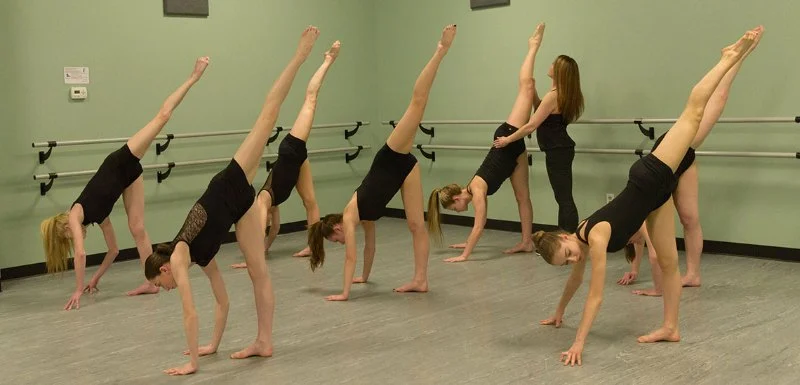
Flexibility is essential for clean lines and injury prevention. Classes often include structured warm-ups focusing on hamstrings, hips, and spine mobility.
Step 5: Learning Short Choreography
Once basics are learned, instructors introduce simple routines. These combinations help students apply technique in real performance flow.
What to Expect in a Jazz Dance Class in the USA
Many beginners searching for jazz dance classes USA are unsure what actually happens inside a studio. A typical class follows a structured format designed to build skills gradually.
Classes usually begin with a warm-up, including stretching and light cardio. This is followed by across-the-floor exercises, where students practice movements like kicks, leaps, and turns in progression.
The final portion of class is often choreography-based. Instructors teach a routine that combines everything learned during the session. This helps students build confidence and performance skills.
A beginner from Texas once shared that their first class felt overwhelming, but by the third week, movements started feeling natural. The repetition and supportive environment helped them overcome initial hesitation.
Real Student Experiences Learning Jazz Dance in America
Across the United States, jazz dance has helped countless individuals improve confidence, fitness, and self-expression. Many students begin with no prior dance experience.
One college student in California started searching for “jazz dance near me” after feeling stressed from academic pressure. Joining a local studio became a form of emotional release and physical exercise. Over time, they performed in a student showcase, something they never imagined doing before.
Another adult learner in New York joined a beginner jazz class after years of inactivity. The structured training helped improve posture and coordination while also offering a social outlet. Within months, they progressed from basic steps to full choreographed performances.
These stories show that jazz dance is not limited by age or experience. It is accessible to anyone willing to learn step by step.
Choosing the Right Jazz Dance Studio in the USA
Finding the right studio is one of the most important steps in your dance journey. Not all studios offer the same teaching style or class structure, so it is important to evaluate carefully.
Instructor Experience and Teaching Style
A good instructor balances technique with encouragement. Beginners benefit from teachers who explain movements clearly and provide personalized feedback.
Class Level Structure
Studios that offer beginner, intermediate, and advanced levels help students progress without feeling overwhelmed.
Studio Environment and Community
A supportive environment encourages consistent attendance and faster learning. Many students stay motivated because of the community they build.
For those looking for professional guidance and structured training programs,
Common Challenges Beginners Face and How to Overcome Them
Every beginner faces challenges when starting jazz dance. One of the most common issues is coordination difficulty. Movements may feel unnatural at first, but repetition quickly builds muscle memory.
Another challenge is self-confidence. Many beginners feel nervous about dancing in front of others. However, studio environments are typically supportive, and most students are in the same learning phase.
Physical fatigue is also common during early classes. Jazz dance uses full-body movement, which can be tiring initially. Over time, stamina improves significantly.
A student in Illinois shared that they nearly quit after their first class because they felt uncoordinated. After encouragement from classmates and instructors, they continued and eventually performed in a local showcase six months later.
How Jazz Dance Improves Fitness and Mental Well-Being
Jazz dance is not only an art form but also a full-body workout. It improves cardiovascular health, strengthens muscles, and enhances flexibility.
Mentally, dance helps reduce stress and increase focus. The combination of music and movement creates a sense of flow that many students describe as therapeutic.
Regular practice can also improve memory and coordination, as dancers must remember choreography and adapt quickly to rhythm changes.
This dual benefit—physical and emotional—makes jazz dance one of the most rewarding activities for people of all ages.
Why Jazz Dance Continues to Grow Across the United States
Jazz dance remains popular in the USA because it is constantly evolving. It incorporates elements from hip-hop, contemporary, and even street dance styles, making it dynamic and modern.
Dance studios across the country continue to attract beginners, professionals, and fitness enthusiasts. The accessibility of classes has made it easier than ever to start learning.
Whether you are searching for “jazz dance near me USA” for fitness, performance, or personal growth, the journey begins with a single class and consistent practice.




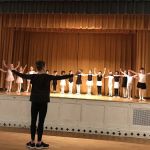 Lydia Johnson Dance School5.0 (17 reviews)
 Jam Hops4.0 (46 reviews)
 One Dojo | DFW's Homeschool Dojo4.0 (16 reviews)
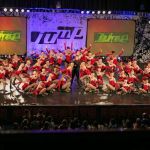 Dawn Crafton Dance Connection4.0 (61 reviews)
 MacConmara Academy of Irish Dance4.0 (23 reviews)
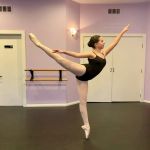 Northern Westchester School of Dance5.0 (35 reviews)
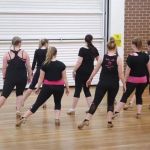 How to Master Jazz Dance for Seniors | American Dance Academy
 The History of Salsa Explained
 Belly Dance Tutorial – What You Need to Know: A Beginner’s Guide
 Top 10 Bollywood Dance Moves for College Students: Fun and Easy Steps to Try
 Why K-Pop Dance Is Popular and How You Can Learn It
 Bachata Cultural Origins: Step by Step Guide to Its Roots and Evolution