
- -understanding-the-foundation-of-ballroom-movement Understanding the foundation of ballroom movement and body coordination principles
- -posture-and-frame-as-the-core-of-dance Posture and frame control as the core skill in ballroom dance mastery
- -footwork-and-rhythm-training-techniques Footwork precision and rhythm training techniques for consistent performance
- -partner-connection-and-lead-follow-dynamics Partner connection and lead-follow communication in ballroom dance
- -style-specific-mastery-waltz-tango-foxtrot Style-specific mastery across waltz, tango, foxtrot, and Latin dance forms
- -real-dancer-journeys-and-common-mistakes Real dancer journeys, mistakes, and breakthrough learning experiences
- -performance-confidence-and-stage-presence Performance confidence building and stage presence development strategies
- -building-a-long-term-ballroom-training-plan Building a long-term ballroom dance training and improvement plan
Understanding the foundation of ballroom movement and body coordination principles
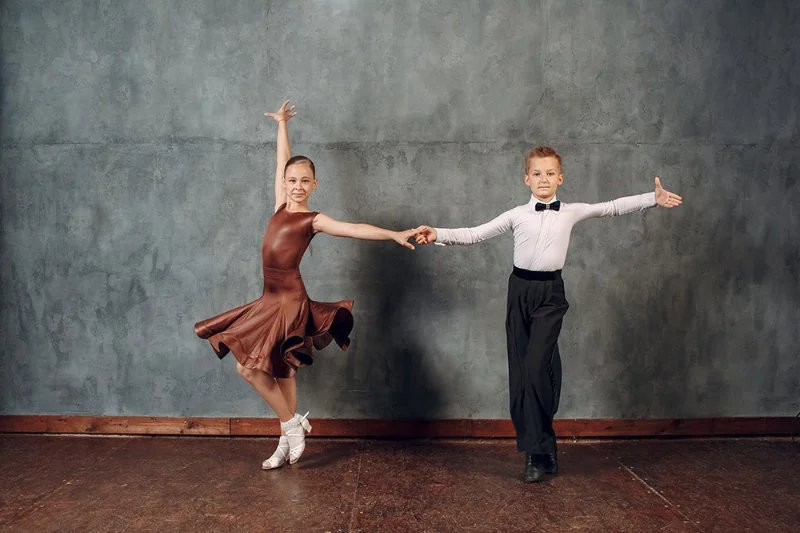
Mastering ballroom dance is not simply about memorizing steps. It begins with understanding how the body moves as a unified system of balance, rhythm, and intention. When exploring How to Master Ballroom Dance Every Dancer Should Know, the first realization many students encounter is that technique alone is not enough—true mastery comes from controlled body awareness and fluid coordination.
Movement begins from the center, not the feet
Beginners often focus on their feet, but experienced dancers know that movement originates from the core. The torso guides direction, while the feet follow with precision. This concept becomes especially important in traveling dances like foxtrot, where smooth progression depends on controlled weight transfer.
Developing natural rhythm instead of mechanical timing
Many dancers initially count steps mechanically, but ballroom mastery requires internalizing rhythm so deeply that movement becomes instinctive. This shift from counting to feeling is what separates casual dancers from advanced performers.
Posture and frame control as the core skill in ballroom dance mastery
One of the most defining elements of ballroom dance is posture. A strong frame not only improves appearance but also determines how effectively partners communicate on the dance floor.
Why posture defines every movement outcome
A collapsed posture disrupts balance and makes transitions unstable. In contrast, an elongated spine and engaged core allow dancers to maintain elegance even during fast rotations or complex sequences.
Frame connection between partners
In partnered dance, frame acts like an invisible communication system. The leader transmits intention through subtle pressure and direction, while the follower responds with precision. A weak frame leads to confusion, while a strong frame creates seamless harmony.
A real training moment from a beginner student
A student in Chicago once struggled with tango posture despite memorizing all steps correctly. After focusing solely on frame alignment for two weeks, their entire dance quality transformed. This illustrates how posture often matters more than choreography complexity.
Footwork precision and rhythm training techniques for consistent performance
Footwork is the visible foundation of ballroom dance, but precision comes from invisible discipline. When learning How to Master Ballroom Dance Every Dancer Should Know, footwork training becomes a daily essential rather than an occasional practice.
Slow practice for long-term accuracy
Practicing slowly allows dancers to identify imbalance, timing issues, and weight distribution errors. Many instructors recommend reducing tempo to half speed before increasing intensity.
Musical awareness beyond counting beats
Advanced dancers learn to interpret musical accents rather than simply following counts. This adds emotional depth to movement, especially in expressive styles like waltz.
Common beginner mistake in rhythm control
A frequent issue among new dancers is rushing transitions between steps. This often results in loss of balance and inconsistent timing, which becomes more visible in group performances.
Partner connection and lead-follow communication in ballroom dance
Ballroom dance is fundamentally a dialogue between two bodies. Without effective communication, even technically correct steps can feel disconnected.
The leader’s responsibility in clarity
Leaders must initiate movement with clarity and intention. Small hesitations or unclear signals can disrupt the entire flow of the dance.
The follower’s role in responsiveness
Followers are not passive participants. They interpret signals and add stylistic expression within the structure provided by the leader.
A memorable social dance event story
At a ballroom social in New York, two dancers with minimal choreography experience outperformed technically advanced couples simply because their communication was more fluid. Their success came from trust and responsiveness rather than complexity.
Training programs such as those offered by
Style-specific mastery across waltz, tango, foxtrot, and Latin dance forms
Each ballroom style carries its own identity, rhythm, and emotional tone. Understanding these differences is essential for mastering How to Master Ballroom Dance Every Dancer Should Know in a complete sense.
Waltz: fluidity and rise-and-fall motion
Waltz is characterized by smooth rotational movement and a gentle rise-and-fall rhythm. It requires controlled elegance rather than speed.
Tango: sharp precision and grounded energy
Tango demands strong posture and sudden directional changes. It emphasizes control and dramatic expression.
Foxtrot: smooth travel across the floor
Foxtrot blends walking rhythm with continuous flow. It is often considered one of the most natural-feeling ballroom styles once mastered.
Latin styles and expressive freedom
Latin dances introduce more hip action, rhythm complexity, and expressive individuality, offering contrast to the structured elegance of standard ballroom forms.
Real dancer journeys, mistakes, and breakthrough learning experiences
Most ballroom dancers experience a similar learning curve: initial excitement, technical frustration, and eventual breakthrough moments where everything suddenly connects.
The plateau phase every dancer experiences
Many learners reach a stage where progress feels stagnant. This often results from focusing too much on steps rather than musicality and connection.
A social media viral dance challenge story
A beginner dancer in Los Angeles gained unexpected attention online after posting weekly progress videos. While early clips showed inconsistent timing, later videos demonstrated dramatic improvement simply through consistent posture training.
Why repetition matters more than talent
Natural ability helps, but repetition builds mastery. Even professional dancers rely on consistent drills to maintain performance quality.
Performance confidence building and stage presence development strategies
Confidence in ballroom dance is not inherited—it is developed through exposure, repetition, and mental conditioning.
Managing performance anxiety
Many dancers experience nervousness before competitions. Controlled breathing and mental visualization techniques are commonly used to stabilize focus.
Expressing emotion through movement
True stage presence comes from emotional expression rather than technical perfection alone. Audiences respond more strongly to authenticity than flawless execution.
Practice environments that simulate real performance pressure
Dancers often rehearse in front of mirrors, small audiences, or recording devices to replicate competition pressure and build resilience.
Building a long-term ballroom dance training and improvement plan
Sustainable progress in ballroom dance requires structured planning rather than random practice sessions. A long-term approach ensures continuous improvement without burnout.
Balancing technique and creativity
Effective training includes both structured drills and free movement exploration. This balance allows dancers to remain technically strong while developing personal style.
Weekly practice consistency over intensity
Short, consistent practice sessions are more effective than occasional long rehearsals. Muscle memory develops through repetition over time.
Guided learning and professional feedback
Working with experienced instructors accelerates improvement by identifying subtle mistakes early. Many dancers combine independent practice with professional coaching.
For structured guidance, technique refinement, and access to curated learning paths, many dancers explore resources from
Ultimately, ballroom dance mastery is not a destination but an evolving process shaped by discipline, awareness, and passion. Every step, turn, and connection contributes to a deeper understanding of movement and musical expression.


 McManus Irish Dance & Jiggy Tots5.0 (11 reviews)
 Studio 33 Ltd.4.0 (11 reviews)
 Just The Place | Creative Arts Center & Dance Studio5.0 (5 reviews)
 Steeple Valley Dance0.0 (0 reviews)
 The Studio Centre4.0 (25 reviews)
 Fred Astaire Dance Studios - Sugarland4.0 (110 reviews)
 Are School Dances Worth It? Honest Answers and Real Benefits for Students
 Waltz Explained – What You Need to Know
 Ballet Every Dancer Should Know – Complete Guide
 How to Master Waltz Fitness Routine: Tips for Beginners and Enthusiasts
 The History of Jazz Dance for Adults: A Guide to Styles and Benefits
 Pole Dance Step by Step Guide: Master the Basics and Advanced Moves