How to Check Dance Studio Flooring Before Class
On this page
Quick answer
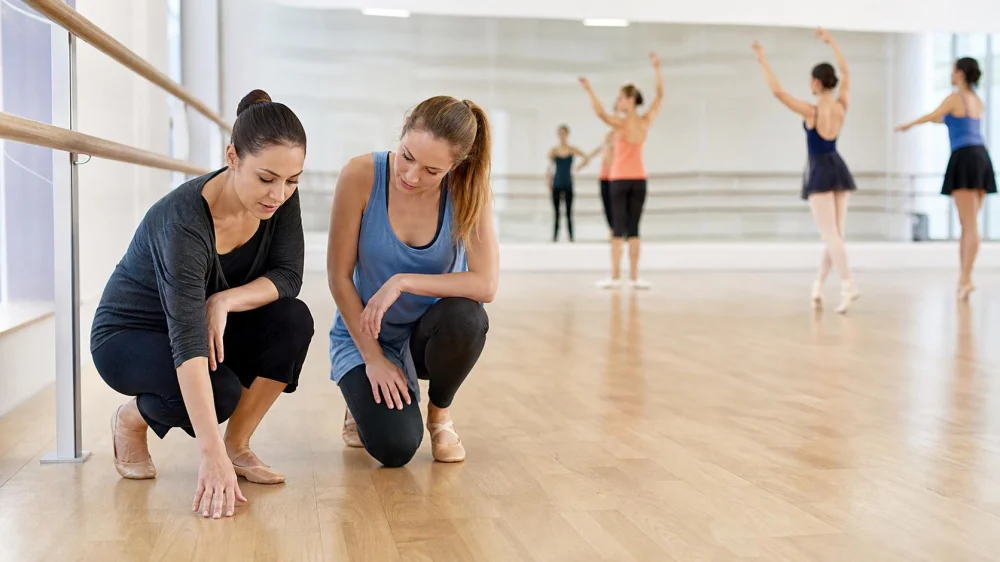
Before dance class, check that the floor feels stable, clean, dry, and appropriate for the style. Look for enough space, secure barres, clear walkways, safe mirror placement, ventilation, and footwear rules. A good studio floor should support movement without feeling dangerously slippery, sticky, hard, uneven, or cluttered.
Why flooring matters
Dance studio flooring affects turning, jumping, balance, fatigue, and confidence. The right surface helps dancers move with control. The wrong surface can make class uncomfortable or increase avoidable risk.
Different dance styles need different conditions. Ballet, tap, hip hop, ballroom, contemporary, heels, and fitness dance may have different floor and shoe expectations. That is why studio rules matter.
Surface, grip, and shock
Walk the floor before class if the studio allows it. Notice whether it feels slick, sticky, dusty, damp, uneven, or overly hard. A floor can look clean but still have residue that affects turns or footwork.
Sprung or dance-specific floors are often preferred for many styles because they can reduce harsh impact compared with unforgiving surfaces. However, the best floor depends on the class type and maintenance.
Tell the instructor or studio staff if you notice liquid, loose boards, tape edges, debris, or a sudden change in grip.
Space and layout checks
Good studio layout gives dancers room to travel, turn, and stop safely. Check whether bags, water bottles, chairs, speakers, or props are kept away from movement paths.
Mirrors should help alignment without becoming a collision risk. Barres should feel secure. Doors, columns, low ceilings, and corners should be considered when choreography travels across the room.
For crowded classes, instructors may rotate lines, mark smaller, or adjust combinations. A class can be energetic and still managed safely.
Match footwear to the floor
Footwear matters as much as the floor. Socks may slide too much on some surfaces. Street shoes may bring grit or damage the floor. Dance sneakers, ballet slippers, jazz shoes, tap shoes, heels, or bare feet may each be appropriate only in certain classes.
If you are unsure, ask the studio before your first class. The right shoe helps protect both the dancer and the studio surface.
Studio safety checklist
Before class, look for:
- Clean, dry, even flooring.
- Appropriate grip for the dance style.
- Enough space for turns, travel, and stopping.
- Bags and bottles away from the dance area.
- Secure barres, mirrors, and equipment.
- Clear footwear rules.
- Ventilation, temperature, and lighting that support focus.
Important notes
This article is general dance-studio guidance for students and parents in the United States. It is not medical, legal, or facility-inspection advice. If you have pain, injury history, or movement restrictions, consult a qualified professional and inform your instructor when appropriate.
Evidence notes: dance education commonly emphasizes appropriate flooring, safe spacing, warm-up, footwear, and instructor awareness. Studio conditions should be evaluated together with class style, dancer level, and individual needs.
FAQ
Is hardwood always safe for dance?
Not automatically. The surface, subfloor, finish, maintenance, and dance style all matter. Some hard floors may feel too unforgiving for jumping or repeated impact.
Can I wear street shoes in a dance studio?
Only if the studio allows it. Street shoes can track in grit, damage surfaces, or create grip problems.
What should I do if the floor feels slippery?
Tell the instructor or staff before class begins. Do not try difficult turns or jumps on a surface that feels unsafe.
Are crowded classes unsafe?
Not always, but they need good spacing and clear instruction. If you cannot move safely, ask how the class manages lines, travel, and direction changes.
Next steps
Before choosing a dance studio, visit or try a class when possible. Pay attention to the floor, spacing, footwear rules, instructor awareness, and how the studio responds to safety questions.
 Dance Theater West5.0 (2 reviews)
 GrowBabyGrow0.0 (0 reviews)
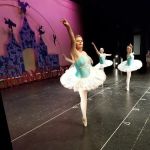 Linden Dance Academy5.0 (2 reviews)
 Woodbridge Academy of Dance5.0 (1 reviews)
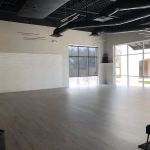 Dance Life Studio5.0 (21 reviews)
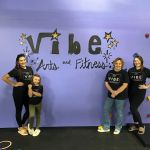 Vibe Arts and Fitness Complex4.0 (14 reviews)
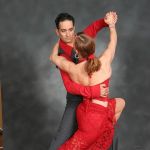 Why Tango Is a Popular Workout: Benefits You Should Know
 Can California Public Schools Charge Students to Attend Dances
 Waltz Near Me in the USA – Everything You Should Know
 Why A Step in Time School of Dance Inspires Lifelong Passion
 Top 10 Pole Dance Moves to Improve Flexibility: Beginner to Advanced Guide
 A Place to Dance: Exploring the Royal Ballet School's Legacy and Its Inspiration