- flexibility-foundations-pole-dance-conditioning-and-body-awareness
- basic-pole-moves-to-develop-control-and-mobility
- intermediate-flexibility-tricks-building-strength-and-extension
- advanced-pole-dance-moves-for-deep-flexibility
- training-strategy-safety-and-injury-prevention
- real-experience-progression-story-and-training-insight
Building Flexibility Through Pole Dance Movement
Pole dance is often misunderstood as purely performance-based, but at its core it is one of the most effective disciplines for developing full-body flexibility, strength, and coordination. The combination of dynamic movement, controlled stretching, and body awareness creates a training system that goes far beyond traditional stretching routines.
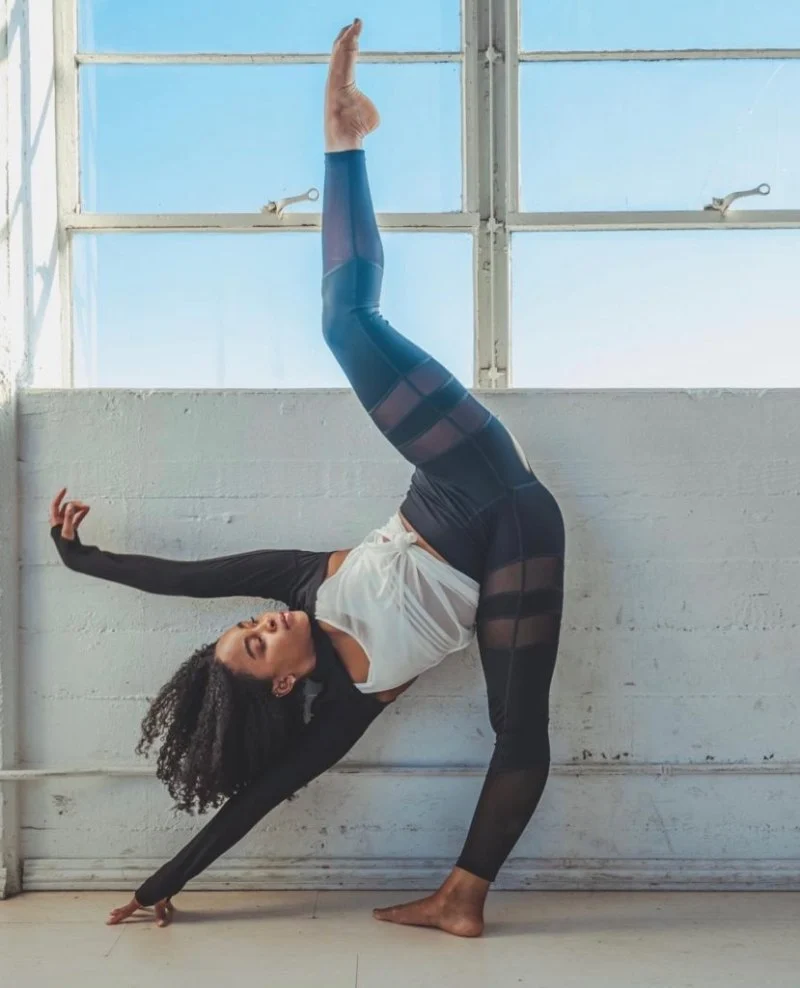
When practiced consistently, pole dance flexibility training improves spinal mobility, hip openness, shoulder stability, and overall body control. Unlike passive stretching, every movement requires engagement, which means flexibility develops alongside strength rather than in isolation.
This guide breaks down the Top 10 Pole Dance Moves to Improve Flexibility, organized from foundational to advanced levels, helping dancers build a safe and structured progression.
Foundational Conditioning for Flexibility Development
1. Basic Pole Walks for Alignment Awareness
Pole walks may look simple, but they are essential for developing posture control. They teach dancers how to maintain elongated spine alignment while coordinating lower body movement around a fixed vertical axis.
This movement strengthens hip stabilizers and prepares the body for more complex rotational flexibility demands later in training.
2. Static Pole Holds for Shoulder Engagement
Static holds involve gripping the pole while maintaining a lifted body position. This builds shoulder endurance and teaches correct muscle activation patterns required for deeper flexibility tricks.
Beginners often discover that flexibility limitations are actually strength limitations, and static holds bridge that gap effectively.
3. Controlled Floor Transitions
Floor transitions connect grounded movement with pole interaction. They enhance hip mobility and spinal fluidity while reinforcing smooth directional changes.
Many instructors at American Dance Academy emphasize these transitions as the hidden foundation behind advanced flexibility execution.
Intermediate Pole Dance Moves for Flexibility Expansion
4. Fireman Spin with Extended Leg Lines
The fireman spin introduces rotational momentum while requiring controlled leg extension. This combination challenges both balance and flexibility simultaneously.
Over time, dancers learn to extend their lines more cleanly, improving hamstring flexibility and core engagement.
5. Pole Sit Variations for Hip Opening
Pole sits require hip rotation and inner thigh engagement. Variations such as side sits or extended-leg sits deepen hip opening and improve lower-body articulation.
These positions are often where dancers first notice measurable flexibility gains in everyday movement.
6. Outside Leg Hang Progressions
This move introduces inversion mechanics while stretching the outer hip line. It demands both courage and controlled flexibility development.
A real training example comes from a beginner group workshop where students initially struggled with fear inversion. After structured conditioning sessions, most achieved stable holds within weeks, highlighting how consistency reshapes perceived limitations.
Advanced Flexibility-Focused Pole Dance Techniques
7. Jade Split Progression
The jade split is a defining flexibility benchmark in pole dance. It requires extreme hamstring extension combined with controlled inversion strength.
Progressing into this move safely requires gradual conditioning rather than forced stretching, ensuring long-term joint protection.
8. Brass Monkey Entry Variations
Brass monkey transitions demand deep core engagement and shoulder stability. The flexibility requirement increases as dancers refine leg positioning and alignment precision.
This move often becomes a milestone for intermediate-to-advanced progression.
9. Scorpio Pose for Back and Hip Flexibility
Scorpio pose emphasizes spinal extension and hip rotation simultaneously. It is visually striking but requires careful muscle control to avoid strain.
When trained properly, it enhances both aesthetic lines and functional flexibility across multiple movement styles.
10. Extended Butterfly Inversion
This advanced inversion focuses on full lower-body extension while maintaining inverted control. It combines hamstring flexibility, hip openness, and core stability.
Dancers often describe this movement as a breakthrough moment in their flexibility journey because it reflects full-body integration rather than isolated stretching ability.
Training Strategy for Safe Flexibility Progression
Progressive Overload in Dance Conditioning
Flexibility does not improve through intensity alone; it improves through structured progression. Increasing range of motion gradually allows connective tissue to adapt safely.
Skipping progression stages is one of the most common causes of injury among new dancers attempting advanced pole dance moves too early.
Active Flexibility vs Passive Stretching
Active flexibility involves controlling movement through strength, while passive stretching relies on external force. Pole dance primarily builds active flexibility, which translates more effectively into real movement control.
This is why dancers often find long-term improvements in posture and mobility beyond the studio environment.
Real Training Journey: From Stiffness to Flow
One student case often shared in training communities involves a beginner who struggled with basic hamstring tightness and shoulder restriction. Initially unable to complete simple spins, they committed to structured conditioning using foundational pole dance flexibility exercises.
Within three months, they progressed from basic pole walks to controlled inverted holds. The transformation was not just physical but psychological—confidence improved alongside mobility.
This type of progression is common in structured environments like American Dance Academy, where training focuses on sustainable flexibility development rather than fast but unsafe advancement.
Integrating Pole Dance Flexibility Into Long-Term Training
Long-term success in pole dance comes from consistency rather than intensity spikes. A balanced routine includes conditioning, mobility work, rest, and progressive skill development.
Dancers who integrate flexibility-focused pole training into weekly routines often report improvements in other physical activities such as yoga, fitness training, and even daily posture comfort.
The key is understanding that flexibility is not a destination but an evolving skill shaped through structured movement practice.
 Fitzgerald Performing Arts5.0 (6 reviews)
 Lago Vista Dance LLC4.0 (4 reviews)
 Dance Incorporated5.0 (9 reviews)
 Viviana Enrique Ballet Folklorico en Aztlan Dance Theatre Company and Academy, Inc.4.0 (8 reviews)
 Studio 37 Dance, LLC4.0 (3 reviews)
 B-vibe The Dance Movement4.0 (17 reviews)
 How to Master Ballroom Dance Near Me in the USA
 The History of Line Dance: Step by Step Guide for Beginners and Enthusiasts
 Why Was Square Dancing Taught in School?
 How to Master Jazz Dance for Seniors | American Dance Academy
 The History of Hip Hop to Burn Calories | A Fun Way to Get Fit
 The History of Cha Cha Workout Benefits