Salsa for Seniors – What You Need to Know
- gentle-latin-rhythm-introduction - understanding salsa rhythm at a comfortable pace
- safe-low-impact-movement - adapting salsa steps for senior-friendly mobility
- physical-and-mental-health-benefits - how dancing supports aging wellness
- real-stories-of-senior-dancers - inspiring experiences from older learners
- beginner-friendly-learning-path - how seniors can start salsa confidently
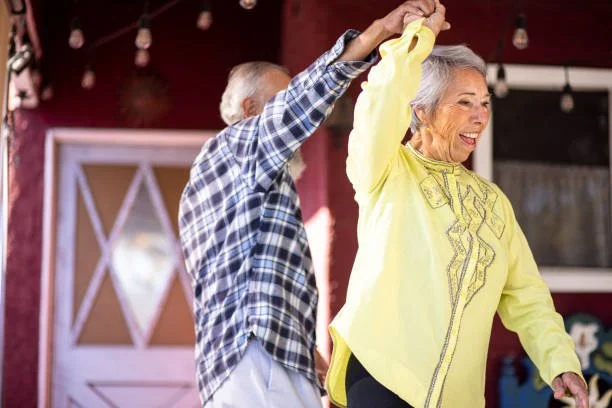
Salsa is often seen as fast, energetic, and youthful, but the reality is very different. Salsa for seniors has become one of the most enjoyable and beneficial ways for older adults to stay active, socialize, and maintain mental sharpness while having fun.
With the right approach, salsa can be adapted into a safe, low-impact activity that supports mobility and emotional well-being, even for beginners who have never danced before.
Why Salsa Is Becoming Popular Among Seniors
A shift toward joyful fitness
Many seniors are moving away from repetitive gym workouts and turning toward activities that feel more meaningful. Dancing offers rhythm, expression, and social connection, making it far more engaging than traditional exercise routines.
Senior salsa dancing benefits include improved coordination, better balance, and a stronger sense of rhythm, all while enjoying music that lifts the spirit.
Social connection and emotional wellness
One of the biggest advantages of salsa is its social nature. Unlike solo exercises, salsa encourages interaction with partners, helping reduce loneliness and increasing emotional well-being.
For many older adults, beginner salsa classes for older adults become a weekly highlight where friendships form naturally through movement and music.
Health Benefits of Salsa for Older Adults
Improving balance and mobility
As we age, balance becomes increasingly important. Salsa involves controlled weight shifts, gentle turns, and coordinated steps that help improve stability over time.
Low impact salsa steps are especially useful for seniors because they reduce strain on knees and joints while still offering effective movement-based exercise.
Supporting heart health and endurance
Salsa is a form of moderate aerobic exercise. Even at a relaxed pace, it helps improve circulation, supports cardiovascular health, and increases stamina.
Regular practice can contribute to better energy levels and overall physical vitality.
Boosting cognitive function
Learning dance patterns requires memory, timing, and coordination. These mental challenges help stimulate the brain, which is especially beneficial for aging adults.
Studies in dance therapy suggest that rhythmic movement can support cognitive clarity and reduce the risk of memory decline.
How Seniors Can Start Learning Salsa Safely
Choosing the right pace and environment
The most important factor when starting salsa is pace. Seniors should begin with slow, simplified versions of basic steps rather than fast-paced routines.
A calm and supportive class environment allows learners to build confidence without pressure.
Focusing on foundational steps
Before attempting turns or advanced combinations, beginners should focus on basic forward and backward steps. This helps establish rhythm and body control.
These foundational movements are the core of all salsa variations and should be practiced until they feel natural.
Using supportive instruction methods
Many dance programs, including those offered through American Dance Academy, design beginner-friendly sessions specifically for seniors. These classes often break movements into small, repeatable segments.
This teaching style reduces confusion and allows participants to progress at their own pace.
Real Story: A New Beginning Through Dance
A retired schoolteacher in Florida shared her experience of joining a salsa class at age 68. Initially, she was hesitant due to concerns about coordination and physical limitations.
However, after attending a beginner-friendly session, she discovered that the instructor adapted movements to her comfort level. Within weeks, she was confidently dancing basic salsa steps with a partner.
She described the experience as “rediscovering joy through movement,” highlighting how social dancing for seniors health can transform both physical and emotional well-being.
Safe Salsa Techniques for Seniors
Joint-friendly movement control
Seniors should avoid excessive twisting or sudden directional changes. Instead, movements should be smooth and controlled, focusing on rhythm rather than speed.
This approach protects joints while still maintaining the essence of salsa dancing.
Proper footwear and posture
Comfortable shoes with light support and minimal friction help prevent slipping. Good posture also plays a key role in maintaining balance and reducing fatigue.
Standing upright with relaxed shoulders improves both appearance and stability.
Common Challenges and How to Overcome Them
Fear of learning something new
Many seniors worry that they are “too old” to start dancing. In reality, salsa is highly adaptable and can be tailored to any fitness level.
The key is starting slowly and focusing on enjoyment rather than perfection.
Coordination difficulties
It is normal to feel uncoordinated at first. Repetition and practice help the body adjust over time.
Simple rhythmic exercises before class can also improve coordination and confidence.
Why Salsa Works So Well for Aging Adults
Combining movement and joy
Unlike traditional exercise routines, salsa blends physical activity with music and emotional expression. This combination makes it easier to stay consistent.
Encouraging lifelong learning
Salsa for seniors is not just about fitness—it is about continuing to learn, grow, and engage with new experiences. This mindset supports healthier aging overall.
Programs like those offered at American Dance Academy help seniors explore dance in a structured yet joyful environment.
Practical Tips for Getting Started Today
Start small and stay consistent
Even 10–15 minutes of practice a few times a week can make a noticeable difference in coordination and confidence.
Focus on enjoyment over perfection
Salsa is meant to be expressive and fun. Seniors should prioritize enjoyment rather than technical accuracy in the beginning stages.
Engage with a supportive community
Joining group classes or social dance sessions provides motivation and emotional support, making it easier to stay committed.
 Fitness Xone5.0 (5 reviews)
 Rohan Murphy Irish Dance Academy5.0 (1 reviews)
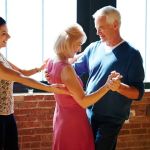 Fred Astaire Dance Studios4.0 (43 reviews)
 Bella Ballerina Highland Creek5.0 (34 reviews)
 Academy of Dance and Fine Arts4.0 (15 reviews)
 Le Reve Dance Company5.0 (4 reviews)
 How to Master Ballroom Dance Workout Benefits for a Healthier, More Energized You
 Top 10 Waltz Moves Step-by-Step Guide for Beginners
 How to Master Shuffle Dance for Adults
 K-Pop Dance for Beginners – What You Need to Know
 Top 10 Belly Dance Moves for Kids: A Fun Introduction to Dance
 A Wonderful Life High School Dance Scene: Why It Still Dazzles