- cha-cha-basics-rhythm-foundation - Understanding timing, beats, and Latin music structure
- fundamental-cha-cha-steps - Learning the core footwork and movement patterns
- body-isolation-and-style - How posture and movement bring Cha Cha to life
- common-beginner-mistakes - What new dancers struggle with and how to fix it
- real-learning-experience-story - A beginner’s journey from stiffness to confidence
Why Cha Cha Feels Different From Other Dance Styles
The Cha Cha is not just another Latin dance—it has a personality of its own. When people first encounter a cha cha tutorial, they often expect fast footwork alone. But what makes Cha Cha unique is its playful rhythm, sharp pauses, and expressive attitude that sits between elegance and energy.
Unlike slower ballroom styles, Cha Cha thrives on contrast. Quick steps followed by controlled pauses create a rhythm that feels almost conversational. It’s not just about moving your feet; it’s about responding to the music as if it is talking to you.
One dance instructor once described Cha Cha as “a dance that smiles while it moves,” and that description captures its spirit perfectly.
Understanding the Rhythm Behind Cha Cha Music
Before learning steps, every beginner must understand timing. The Cha Cha rhythm is built around a 4/4 beat, but it includes a distinctive “cha-cha-cha” triple step that defines its identity.
Breaking Down the Count Structure
Most beginner cha cha guide lessons start with counting: 2, 3, 4-and-1. This structure helps dancers sync movement with music. The “4-and-1” is where the signature Cha Cha shuffle occurs.
The challenge for beginners is not remembering the count, but feeling it naturally. Once the rhythm becomes internal, the body begins to move without hesitation.
Why Rhythm Matters More Than Steps
Many new dancers focus too heavily on foot placement. However, Cha Cha is rhythm-driven. Even perfect steps look incorrect if the timing is off. Experienced dancers often say that Cha Cha is “50% timing, 50% attitude.”
Learning the Core Cha Cha Dance Steps
The foundation of Cha Cha dance steps begins with weight transfer and controlled movement. Unlike walking, Cha Cha requires deliberate shifts in balance that create a bouncing, lively motion.
Basic Forward and Backward Movement
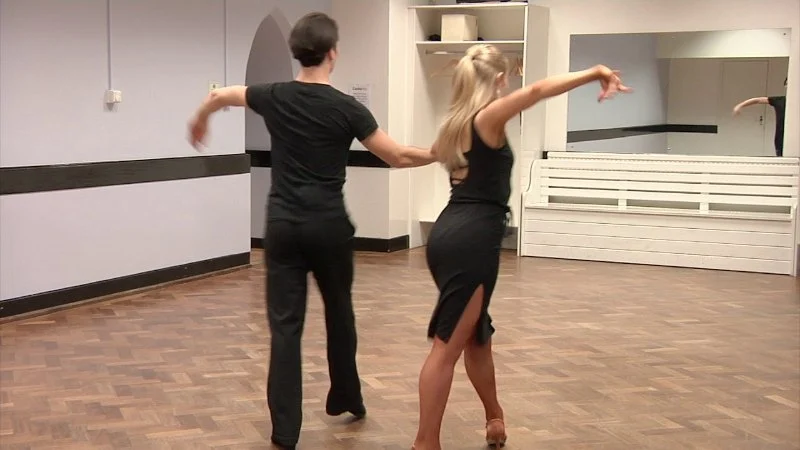
The leader typically steps forward on the left foot, while the follower mirrors backward movement. The sequence includes a rock step followed by a triple step, which forms the signature Cha Cha Cha rhythm.
At first, beginners often feel mechanical. This is normal. The goal is repetition until the movement becomes natural.
Side Steps and Cuban Motion
Cuban motion is the smooth hip action that gives Cha Cha its distinctive Latin flavor. It is not exaggerated movement, but rather a natural result of bending and straightening the knees in sync with steps.
This is where Cha Cha transforms from a basic pattern into a visually expressive dance.
Body Control and Style Development
Cha Cha is not only about footwork—it is about how the body communicates rhythm. Posture, arm placement, and torso control all contribute to performance quality.
Posture as the Foundation of Expression
A strong spine and lifted chest help maintain balance during quick directional changes. Beginners often lean too far forward or backward, which disrupts flow.
Arm Styling and Natural Movement
Arms should never feel frozen. Instead, they act as extensions of rhythm. A relaxed yet controlled arm position enhances musical interpretation and overall appearance.
Common Beginner Mistakes in Cha Cha Tutorials
Every dancer goes through predictable challenges when learning Cha Cha. Recognizing these mistakes early accelerates progress.
Rushing the Triple Step
One of the most common issues is speeding up the “cha-cha-cha” sequence. This breaks musical alignment and causes imbalance.
Overthinking Foot Placement
Beginners often focus so much on where to place their feet that they lose connection with rhythm. Cha Cha is meant to be felt, not calculated.
Instructors often recommend practicing slowly with music before increasing speed. This builds both confidence and muscle memory.
A Real Beginner Journey: From Stiffness to Flow
A student at a community dance workshop once shared her experience learning Cha Cha. She started with zero dance background and described her first class as “confusing and awkward.”
For the first two weeks, she struggled with timing. Her steps were correct, but her rhythm was inconsistent. However, after practicing daily 15-minute sessions focusing only on counting and weight shifts, something changed.
By the fourth week, she reported that her body began reacting to music naturally. She no longer had to think about each step individually. This transformation is common in Cha Cha learning—it shifts from mental effort to physical instinct.
How to Practice Cha Cha Effectively at Home
Home practice is one of the most effective ways to improve Cha Cha skills. Even without a partner, dancers can build strong fundamentals.
Mirror Practice for Self-Correction
Dancing in front of a mirror helps identify posture issues and timing inconsistencies. Small corrections made early prevent long-term habits.
Using Slow Music Versions
Slower Cha Cha tracks allow beginners to focus on rhythm clarity. Once comfortable, gradually increasing tempo helps transition to real performance speed.
For structured learning resources and guided practice materials, many dancers explore programs from American Dance Academy, which offers step-by-step breakdowns for Latin dance beginners.
Building Confidence Through Repetition and Musical Awareness
Confidence in Cha Cha does not come from memorization—it comes from repetition and comfort with rhythm. The more familiar the music feels, the more natural movement becomes.
Dancers who practice consistently begin to anticipate beats instead of reacting to them. This shift is what separates beginners from intermediate performers.
Ultimately, Cha Cha is less about perfection and more about expression. Once rhythm, movement, and attitude come together, the dance becomes an enjoyable form of communication rather than a technical exercise.
 Vertica Fitness South Tucson4.0 (35 reviews)
 tahitian dance fitness5.0 (1 reviews)
 Dance Innovations PAC4.0 (12 reviews)
 Studio H Dance Company5.0 (5 reviews)
 Taneytown Dance Center4.0 (22 reviews)
 Jubilee Gymnastics, Dance, and Ninja Warrior4.0 (131 reviews)
 The History of Hip Hop to Burn Calories | A Fun Way to Get Fit
 Why Is Square Dancing Taught in Schools? Exploring the Benefits and Educational Value
 Can a High Schooler Choreograph a Dance? Here's What to Know
 Do Colleges Have School Dances? A Look at Modern Campus Dance Life
 Top 10 Salsa Moves for College Students – Easy and Fun Salsa Dance Steps
 Are There Dances in Middle School? What Parents and Students Should Know