
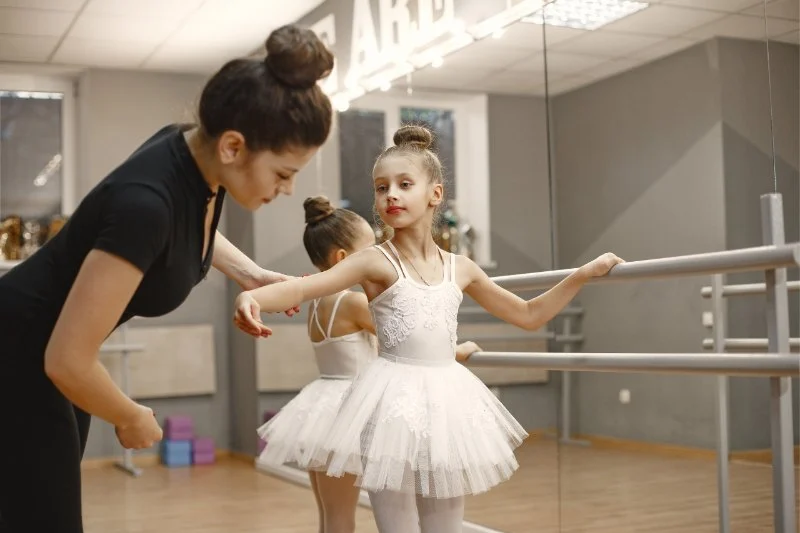
The Foundation of Ballet Mastery Every Dancer Eventually Discovers
- ballet-foundation-skills - core principles every dancer must understand before advancing
- essential-classical-movements - key ballet techniques that shape long-term performance
- training-discipline-and-form - how consistency builds technical strength and artistry
- real-dancer-development-story - how beginners transform through structured ballet practice
- professional-guidance-and-resources - where dancers can refine skills and find support
Why Ballet Fundamentals Shape Every Stage of a Dancer’s Journey
Ballet is often seen as graceful and effortless on stage, but behind every movement lies years of structured training. Understanding ballet basics guide principles is what separates casual learners from disciplined dancers who can perform with control, expression, and technical precision.
Every professional dancer, regardless of style—whether contemporary, jazz, or even commercial choreography—eventually returns to classical ballet training. It is the foundation that builds posture, balance, strength, and musical awareness.
The hidden structure behind elegance
What looks soft and fluid on stage is actually built on strict alignment rules, turnout control, and muscle engagement. Ballet is not just movement—it is a system that trains the body to move efficiently and beautifully under pressure.
Essential Ballet Techniques Every Dancer Should Know
Plie: the foundation of control
The plié is one of the most important essential ballet techniques. It teaches how to absorb energy through the legs while maintaining upper-body stability. Without proper plié mechanics, jumps lose height and landings become unsafe.
A well-executed plié is not just bending knees—it is a full-body coordination exercise that connects breath, alignment, and strength.
Tendu: building precision and foot awareness
Tendu develops foot articulation and strengthens the connection between the floor and the dancer’s center. Many beginners underestimate it, but advanced dancers rely on it for clean lines and controlled transitions.
It is often the first step toward developing professional-level footwork.
Arabesque: balance and expressive extension
Arabesque is where technique meets artistry. Holding the body steady while extending one leg requires both core strength and emotional control. It is one of the most recognizable classical ballet movements used in performances worldwide.
How Beginner Ballet Training Develops Real Strength Over Time
Early frustration is part of the process
Many new dancers feel overwhelmed when first encountering beginner ballet steps. The body resists turnout, balance feels unstable, and movements seem unnatural. This stage is normal and necessary.
One student shared how they struggled for months with basic posture alignment. Only after consistent correction and repetition did their movements begin to feel natural and controlled.
Repetition builds muscle memory
Ballet training fundamentals rely heavily on repetition. Unlike fast choreography styles, ballet demands slow refinement. Over time, the body begins to “remember” correct positions without conscious effort.
This is where real transformation begins—not in talent, but in consistency.
A Real Dancer’s Story: From Stiff Movements to Fluid Expression
The early stage struggle
A young dancer entering a community ballet program often starts with stiffness, especially in hips and ankles. One notable case involved a student who could not hold a stable relevé position for more than a few seconds.
At first, progress felt invisible. However, through daily repetition of basic barre exercises, improvement slowly became noticeable.
The turning point
After several months of structured training, the same dancer began to show fluid transitions and controlled balance. Teachers noted that their posture improved dramatically, and movement quality became significantly more expressive.
This transformation is a common example of how classical ballet movements reshape the body over time.
The Discipline Behind Ballet Training Fundamentals
Body alignment and core awareness
Proper alignment is the backbone of ballet. Without it, even simple movements become inefficient. Dancers must learn to engage their core constantly while maintaining relaxed upper-body expression.
This balance between control and softness defines professional-level performance.
Musical interpretation and timing
Ballet is deeply connected to music structure. Dancers must understand rhythm changes, pauses, and emotional pacing. This awareness turns movement into storytelling.
Endurance and recovery balance
Training intensity increases gradually, requiring proper recovery habits. Overtraining can lead to injury, especially in ankles and knees, which are heavily used in ballet practice.
Common Mistakes Beginners Make in Ballet Practice
Overemphasizing flexibility instead of control
Many beginners assume flexibility is the most important factor. While useful, control and strength are far more critical in early stages.
Skipping foundational exercises
Rushing into advanced choreography without mastering basics often leads to technical instability. Strong foundations always produce better long-term performance.
Ignoring correction feedback
Teacher corrections are essential in ballet. Small adjustments in posture or foot placement can significantly improve technique over time.
Where Dancers Find Structured Growth and Support
Many students look for guided programs and structured training environments to accelerate progress. Platforms like American Dance Academy provide resources, training insights, and structured learning paths designed to support dancers at every stage.
Having access to proper guidance helps dancers avoid bad habits and build strong technical foundations earlier in their journey.
Building Long-Term Growth Through Classical Ballet Practice
Mastering ballet is not about quick results. It is a gradual transformation of strength, posture, discipline, and artistic expression. Every movement learned becomes part of a larger system that supports future growth across all dance styles.
The dancers who progress the farthest are not always the most naturally talented—they are often the most consistent in returning to basics and refining technique over time.
 Empire Grange4.0 (34 reviews)
 Dance Republic0.0 (0 reviews)
 Kirova Dance Academy4.0 (86 reviews)
 Draper Center for Dance Education5.0 (12 reviews)
 McCallum Dance5.0 (13 reviews)
 Riverline Dance Academy5.0 (7 reviews)
 Salsa Explained: Common Mistakes to Avoid
 Bachata to Try in 2025: Step by Step
 Jazz Dance Step by Step Guide – What You Need to Know
 Contemporary Dance for Adults – What You Need to Know for a Great Start
 Swing Dance Explained: Common Mistakes to Avoid for Beginners and Enthusiasts
 Learn Hip Hop Dance at School – Tips for Success