- 1. Introduction to Samba for Kids
- 2. Benefits of Samba for Children
- 3. How to Teach Samba to Kids
- 4. Common Mistakes to Avoid
- 5. Fun Samba Activities for Kids
1. Introduction to Samba for Kids
Samba is an exciting and lively dance form that originated in Brazil. It's known for its rhythmic footwork, energetic movements, and infectious music. For kids, Samba is a fantastic way to improve coordination, balance, and self-expression while having fun. The dance is perfect for children because it encourages creativity and allows them to express themselves in a free and fun way.
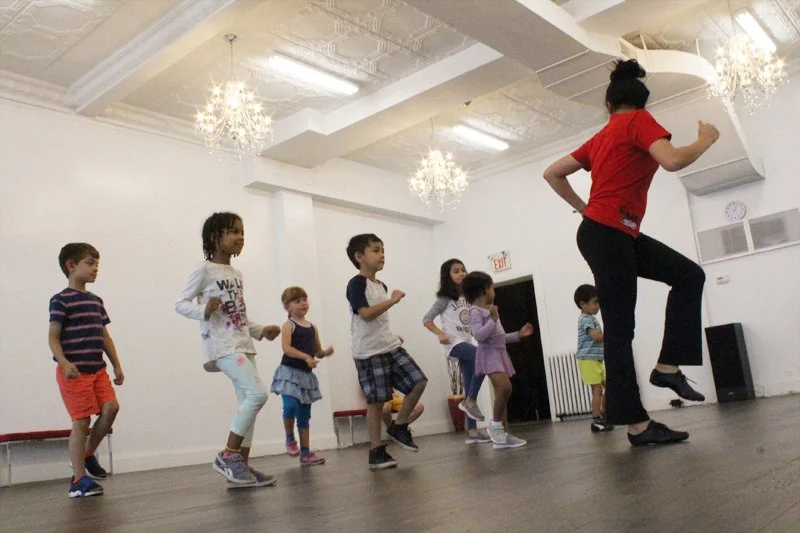
Samba for kids typically involves simplified moves and playful music, making it an accessible and enjoyable dance style. Whether your child is interested in learning the basics or wants to become more advanced, this guide provides all the essential information to get started.
2. Benefits of Samba for Children
Samba offers numerous physical and mental benefits for kids. Below are some of the most important advantages:
Physical Health
Samba is an aerobic activity that helps children develop cardiovascular endurance, strengthen their muscles, and improve flexibility. The movements in Samba encourage kids to move their bodies in different directions, promoting overall body strength and agility.
Coordination and Balance
The rhythm and complex steps in Samba help enhance children's motor skills, coordination, and balance. Kids learn how to synchronize their movements with the beat of the music, which improves both their timing and spatial awareness.
Confidence and Self-Expression
Samba also boosts kids' self-esteem and confidence as they express themselves through dance. The dance form allows children to get in touch with their creativity and gives them a way to communicate their emotions in a fun, non-verbal way.
3. How to Teach Samba to Kids
Teaching Samba to children requires a gentle approach, focusing on simple movements that are easy to follow. Here’s a step-by-step guide for parents or instructors:
Step 1: Start with Basic Footwork
Begin by teaching kids the basic footwork. The Samba involves a "quick, quick, slow" rhythm, where children take quick steps followed by a slower step. Encourage your child to practice these steps slowly at first to get used to the rhythm.
Step 2: Add Arm Movements
Once they are comfortable with their feet, introduce simple arm movements. These should be fluid and add to the overall flow of the dance. Guide your child to raise their arms in a natural, relaxed way, and integrate the arms with the footwork.
Step 3: Practice with Music
After the basic steps and arms are in place, practice with the music. Play a Samba tune and allow your child to follow the beat. Make it fun by adding playful songs that kids enjoy, making the learning process enjoyable and engaging.
4. Common Mistakes to Avoid
As with any dance form, there are a few common mistakes beginners might make when learning Samba:
Not Following the Rhythm
One of the most common mistakes is not staying in rhythm with the music. It’s essential to focus on the "quick, quick, slow" pattern and adjust the movements to match the tempo of the music.
Overcomplicating the Steps
While Samba can become quite complex, it's important not to overwhelm children with too many steps. Start with simple routines and gradually introduce more advanced movements as they become comfortable.
5. Fun Samba Activities for Kids
To keep kids motivated and excited about Samba, incorporate fun activities that make learning enjoyable:
Samba Dance Parties
Organize a Samba dance party where kids can practice their moves in a fun, social setting. Play lively Samba music and encourage them to dance together. This is a great way to build confidence and have fun with friends and family.
Samba Challenges
Set up Samba dance challenges where kids can compete in a friendly way to see who can perform the best dance moves. This can help improve their skills while adding an element of excitement.
 Dare 2 Dance4.0 (10 reviews)
 Incite Dance Center5.0 (32 reviews)
 Upsurge Dance Company4.0 (14 reviews)
 Songbird Dance South City5.0 (5 reviews)
 KM Dance Arts Studio5.0 (15 reviews)
 Modern Elements- The Dance Studio & Boutique5.0 (13 reviews)
 Why Waltz is Popular for College Students
 Did the Dance Moms Girls Go to the Same School? The Real Story
 Why Did US Schools Teach Square Dancing in the 20th Century?
 Jazz Dance You Can Learn at Home: Step by Step
 Do They Have High School Dances in Austria? Discover the Maturaball Tradition
 Shuffle Dance for Couples – Complete Guide to Learn and Connect Together