- 1 - Overview of Jazz Dance for Seniors
- 2 - Physical Benefits of Jazz Dance
- 3 - Mental and Emotional Benefits
- 4 - Essential Techniques and Tips
- 5 - Real-Life Stories and Success Cases
- 6 - Safety and Injury Prevention
- 7 - Getting Started with Jazz Dance
1. Overview of Jazz Dance for Seniors
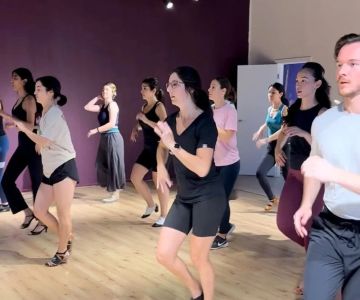
Jazz dance for seniors is a specialized approach to one of the most expressive and rhythmic dance styles, adapted to accommodate older adults’ physical capabilities. It incorporates gentle yet dynamic movements that enhance flexibility, coordination, and body awareness while maintaining the excitement and creativity of traditional jazz choreography.
Unlike high-impact dance routines, senior jazz classes focus on controlled movements that reduce strain on joints while still challenging balance and muscular strength. By integrating step sequences, rhythmic isolations, and improvisation, seniors can enjoy a full-body workout that improves both physical health and mental engagement.
1.1 Unique Features of Jazz Dance for Seniors
Senior-focused jazz dance emphasizes low-impact techniques, slower tempos for learning sequences, and modifications for common mobility limitations. This allows participants to enjoy the artistry of jazz without feeling overwhelmed or risking injury.
1.2 Benefits of Tailored Classes
Classes designed for seniors often include warm-ups that target joint mobility, sequences to enhance coordination, and exercises to strengthen core and lower body muscles. These routines promote longevity and independence in daily activities while keeping the dance enjoyable.
2. Physical Benefits of Jazz Dance
Participating in jazz dance provides numerous physical advantages, particularly for older adults seeking to maintain strength, balance, and overall health.
2.1 Improved Cardiovascular Health
Even at a moderate pace, jazz routines raise heart rates, improving circulation and cardiovascular endurance. Over time, seniors may notice enhanced stamina for everyday tasks, from walking to climbing stairs.
2.2 Enhanced Flexibility and Mobility
Jazz dance incorporates stretching, gentle kicks, and arm movements that maintain and improve joint mobility. Flexibility exercises reduce stiffness and help prevent falls by promoting better range of motion.
2.3 Muscle Tone and Core Strength
Movements such as plies, turns, and side steps strengthen core and lower body muscles, improving posture, stability, and balance. This is particularly valuable for preventing age-related muscle loss and maintaining independence.
2.4 Coordination and Balance
Following rhythmic sequences challenges both the body and the brain, improving proprioception and coordination. This reduces the risk of falls and enhances confidence in performing daily activities safely.
3. Mental and Emotional Benefits
Jazz dance is not only beneficial physically but also offers significant mental and emotional advantages.
3.1 Cognitive Stimulation
Learning new choreography enhances memory and cognitive processing. Seniors often find that remembering step sequences, counts, and rhythms stimulates the brain and supports mental acuity.
3.2 Stress Relief and Mood Enhancement
The music-driven movements of jazz dance boost endorphin levels, reducing stress and promoting emotional well-being. Engaging in expressive movement allows seniors to release pent-up emotions and feel rejuvenated.
3.3 Social Engagement
Group jazz classes create opportunities for social interaction and connection. Sharing dance experiences fosters friendships, reduces feelings of isolation, and builds a supportive community for seniors.
4. Essential Techniques and Tips
Mastering jazz dance as a senior involves learning proper technique, pacing oneself, and practicing regularly.
4.1 Focus on Posture and Alignment
Proper posture protects joints and ensures movements are performed safely. Keep shoulders relaxed, spine elongated, and knees slightly bent during most steps.
4.2 Learn in Segments
Breaking choreography into manageable segments allows seniors to gradually build confidence and mastery. Start with foundational steps such as side steps, ball changes, and gentle turns before progressing to full routines.
4.3 Consistent Practice
Short, frequent sessions (20-30 minutes daily or several times a week) are more effective than occasional long practices. Repetition helps solidify memory and improves fluidity of movement.
4.4 Use Modifications Wisely
Seniors should adapt moves to their comfort level. For example, if a high kick is challenging, performing a lower range of motion achieves similar benefits safely.
5. Real-Life Stories and Success Cases
Consider Margaret, a 72-year-old retiree from Chicago, who joined a jazz dance program at her local senior center. Within three months, she reported improved balance, reduced joint stiffness, and newfound confidence in social situations. The fun, music-driven nature of the classes motivated her to remain consistent.
Similarly, Robert, a 68-year-old from Los Angeles, used jazz dance to supplement his physical therapy regimen after knee surgery. He found that controlled, rhythmic movements helped him regain mobility while keeping exercise enjoyable. Stories like these illustrate how jazz dance for seniors promotes physical recovery, mental stimulation, and emotional well-being simultaneously.
6. Safety and Injury Prevention
Safety is paramount when seniors participate in any physical activity, including jazz dance.
6.1 Proper Warm-Up and Cool-Down
Start each session with gentle stretching and mobility exercises to prepare joints and muscles. Finish with a cooldown to relax muscles and prevent soreness.
6.2 Use Supportive Footwear
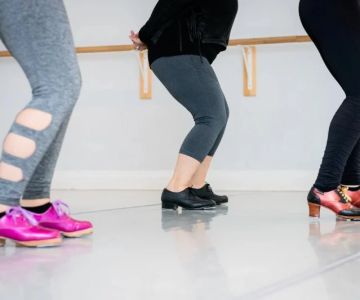
Wear shoes with adequate cushioning and support to protect feet and ankles during turns, steps, and weight shifts.
6.3 Listen to Your Body
Avoid pushing past pain points. Modifying movements based on comfort ensures safety and allows gradual progress without strain.
7. Getting Started with Jazz Dance
Seniors interested in mastering jazz dance should begin with structured classes tailored to their age group. Online tutorials, community center programs, and senior-focused dance academies offer a variety of entry points.
For those seeking expert guidance, American Dance Academy provides senior-friendly programs, personalized coaching, and resources to help older adults develop jazz dance skills safely and effectively. Starting with beginner routines and progressively advancing ensures an enjoyable, sustainable experience that promotes fitness, mental engagement, and social connection.
 Bloomsburg School of Dance4.0 (29 reviews)
 Island Dance Academy5.0 (7 reviews)
 Instinct Dance Company5.0 (23 reviews)
 Shannon O'Brien School of Dance4.0 (75 reviews)
 Southern Dance Company0.0 (0 reviews)
 San Francisco Dance Space4.0 (22 reviews)
 Why K-Pop Dance Is Popular for Couples
 Can Jehovah’s Witnesses Go to School Dances? Understanding Beliefs and Choices
 Ballroom Dance for College Students: Tips from Experts
 The History of Line Dance: Step by Step Guide for Beginners and Enthusiasts
 How to Master Belly Dance for Beginners: A Step-by-Step Guide
 Are Dance Schools Considered Dance Halls?