
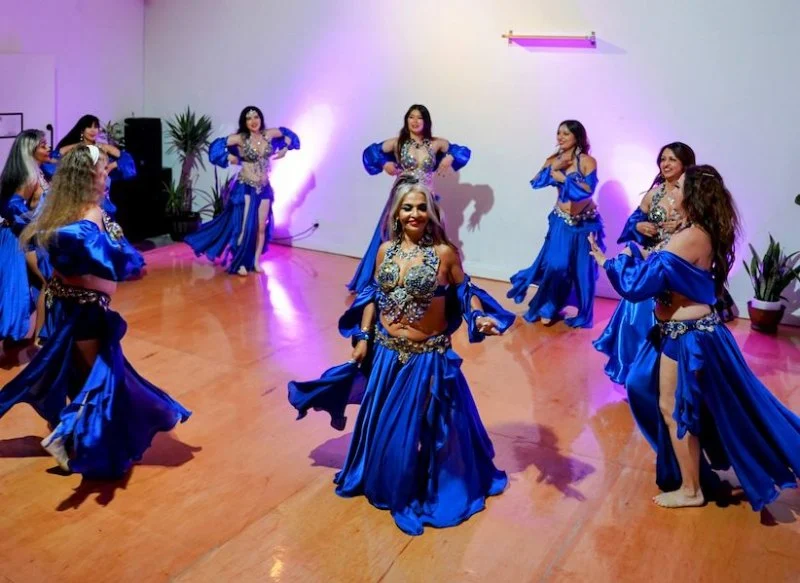
What Is Belly Dance?
Belly dance, also known as "Raqs Sharqi," is a traditional form of dance that originated in the Middle East and North Africa. Known for its fluid movements and focus on isolating the torso, belly dance involves intricate body movements, including hip circles, shimmies, and undulations. This dance style emphasizes rhythm, expression, and connection with the music, making it both an art form and a fun way to stay active.
Belly dance is often associated with feminine grace and empowerment, but it's a dance that anyone can enjoy, regardless of age or gender. While there are various styles of belly dance, all of them share the same core techniques, which make it an accessible and enjoyable form of movement for dancers of all levels.
Benefits of Belly Dance
Belly dance offers a wide range of physical, mental, and emotional benefits. Here are some of the key benefits of incorporating belly dance into your fitness routine:
1. Improved Core Strength
One of the primary benefits of belly dance is its focus on strengthening the core muscles. The undulating movements and hip isolations require core stability, which helps tone the abdominal muscles, lower back, and hips. This leads to better posture and greater overall strength.
2. Increased Flexibility
Belly dance requires a great deal of flexibility, particularly in the hips, back, and legs. Regular practice helps improve joint mobility, stretch tight muscles, and enhance overall flexibility. This can reduce the risk of injury and improve balance.
3. Stress Relief and Mental Clarity
The rhythmic nature of belly dance promotes relaxation and helps relieve stress. The focus on breathing and movement creates a meditative experience, improving mental clarity and emotional well-being. Many people find that belly dance offers an enjoyable way to unwind after a long day.
4. Boosted Confidence
Belly dance encourages self-expression, allowing dancers to feel more connected to their bodies. The art of moving with confidence and grace often leads to increased self-esteem and a positive body image.
Essential Belly Dance Techniques for Beginners
For those just starting out, it's important to focus on mastering the basic belly dance techniques. These foundational movements will set the stage for more complex choreography and help build your strength and coordination:
1. Hip Isolations
Hip isolations are the heart of belly dance. To perform this technique, practice moving only your hips in various directions—forward, backward, side to side, and in circular motions. Isolating the hips will help develop control and precision in your movements.
2. Shimmying
The shimmy is a signature movement in belly dance, characterized by rapid shaking of the hips. To shimmy effectively, bend your knees slightly and alternate shifting your weight from one foot to the other. Start slow and gradually increase the speed to achieve a smooth, controlled shake.
3. Undulations
Undulations involve rolling the body in a wave-like motion, starting from the chest down to the hips. This movement requires fluidity and core strength, making it an excellent exercise for improving posture and flexibility.
4. Body Isolations
Body isolations refer to moving one part of the body independently from the others. This technique can include isolating the chest, shoulders, or pelvis. Practicing body isolations will help improve overall coordination and control.
Common Mistakes to Avoid
As a beginner, it’s important to be aware of common mistakes that can hinder your progress in belly dance. Here are some tips to help you avoid them:
1. Overexerting Yourself
Belly dance can be intense, especially if you're new to it. However, trying to do too much too soon can lead to strain or injury. Start with shorter sessions and gradually build up your stamina and strength as you improve.
2. Ignoring Hip Activation
Many beginners tend to rely on the arms or upper body for movement rather than engaging the hips properly. It's essential to focus on isolating and activating your hips to perform moves like undulations and shimmies effectively.
3. Tightening Your Body
Belly dance requires fluid, relaxed movement. Beginners often tense up while learning, which can restrict motion and make the movements look stiff. Focus on staying relaxed and letting your body flow naturally with the music.
How to Practice Belly Dance Effectively
Practice is essential to improving your belly dance skills. Here are some tips to help you make the most of your practice sessions:
1. Practice Consistently
Like any skill, belly dance requires consistent practice. Set aside time each week to work on basic movements, and gradually incorporate more complex routines as you progress. Even short practice sessions can make a big difference in your technique.
2. Record Yourself
Recording your practice sessions allows you to track your progress and identify areas for improvement. Watching yourself dance can help you notice things that you might not feel in the moment, such as posture, form, and fluidity of movement.
3. Join a Belly Dance Community
Consider joining a local belly dance class or online community to connect with other dancers. Sharing tips, getting feedback, and learning from others can be invaluable in your journey to mastering belly dance.
Recommended Products for Belly Dancers
To help support your belly dance journey, there are several products you might find useful, including:
1. Belly Dance Costumes
Belly dance costumes help you get into the spirit of the dance and can enhance your movement. Consider investing in a comfortable, well-fitting costume that allows freedom of movement, such as a skirt, hip scarf, or a full outfit.
2. Hip Scarves and Accessories
Hip scarves with coins or beads can help accentuate your movements and provide a rhythmic sound, enhancing the visual and auditory experience of your dance.
For more information, tips, and high-quality products for belly dancers, visit American Dance Academy, where we offer everything you need to enhance your dance experience.

 Tap Fever Studios4.0 (23 reviews)
 KONDITION--Barre | Spin | Strength | Yoga | Dance5.0 (95 reviews)
 Dance Mania Nashville4.0 (40 reviews)
 In Your Skin Studio5.0 (27 reviews)
 Arthur Murray Dance Studio of Ann Arbor4.0 (43 reviews)
 Revive Dance Studio5.0 (25 reviews)
 Do Guys Wear Boutonnieres in High School Dances?
 Top 10 Waltz Moves Every Dancer Should Know
 Belly Dance to Burn Calories – Complete Guide to Effective Weight Loss
 Ballet for College Students – Complete Guide
 Can a Homeschooler Go to Public School Dances? | Tips for Parents
 Ballroom Dance to Burn Calories – Effective Tips and Dance Styles