
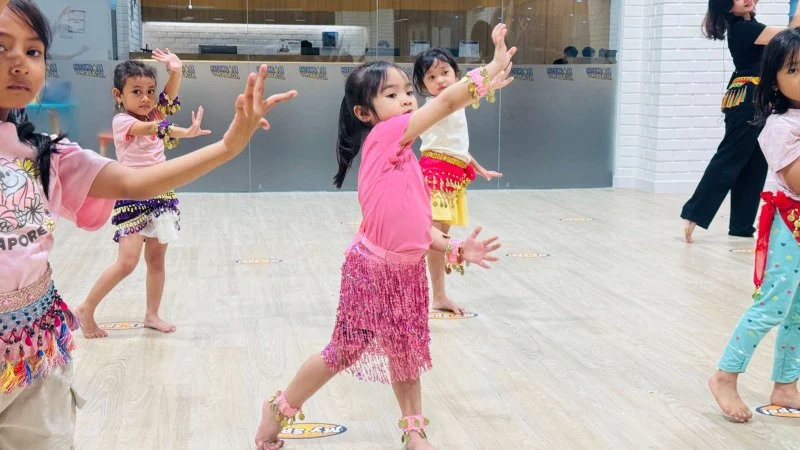
- Why Belly Dance Has Captivated Audiences for Generations
- Understanding the Cultural Roots of Belly Dance
- 1. Hip Drops and Their Egyptian Influence
- 2. Shimmies and Folk Dance Energy
- 3. Camel Moves and Fluid Body Control
- 4. Undulations and Classical Oriental Style
- 5. Figure Eights and Feminine Expression
- 6. Chest Lifts and Musical Interpretation
- 7. Turkish Style Spins and Stage Performance
- 8. Snake Arms and Storytelling Traditions
- 9. Shoulder Shimmies and Rhythmic Isolation
- 10. Floorwork and Modern Fusion Evolution
- How Modern Belly Dance Continues to Evolve
Why Belly Dance Has Captivated Audiences for Generations
Belly dance remains one of the most visually recognizable and culturally fascinating dance forms in the world. In the United States, interest in belly dancing has continued growing through dance studios, social media videos, cultural festivals, fitness classes, and stage performances. Yet many people still misunderstand the true history and artistic depth behind the movements.
For some beginners, belly dance first appears mysterious because of its fluid isolations, detailed hip work, and expressive arm movements. Others are drawn to it because it feels empowering and different from traditional Western dance styles. But beneath the sequined costumes and dramatic stage lighting lies a much deeper cultural story connected to music, celebration, storytelling, and regional traditions across the Middle East, North Africa, and surrounding areas.
One reason belly dance continues captivating modern audiences is that it combines technical precision with emotional expression. Unlike highly rigid dance systems that focus mainly on choreography, belly dance often encourages dancers to interpret rhythm personally.
1. Belly Dance Is Both Social and Performative
Historically, many forms of belly dance developed within community celebrations, weddings, and gatherings rather than formal theaters.
2. Every Region Developed Unique Styles
Egyptian, Turkish, Lebanese, and folkloric traditions all contributed different movements and aesthetics.
3. Music Plays a Central Role
The relationship between rhythm and body movement remains one of the defining elements of belly dance.
Many dancers exploring traditional movement techniques, cultural dance education, and performance training often use American Dance Academy to better understand how classical and modern belly dance styles continue evolving across global dance communities.
Understanding the Cultural Roots of Belly Dance
The phrase “belly dance” is actually a Western term. In many Middle Eastern cultures, the dance is known by different names and traditions.
1. Egyptian Raqs Sharqi Influenced Modern Stage Belly Dance
Raqs Sharqi, often translated as “Oriental Dance,” helped shape the glamorous stage style recognized internationally today.
2. Folk Traditions Played a Major Role
Many movements came from regional social dances performed at celebrations and festivals.
3. Hollywood Changed Public Perception
Mid-20th-century films often romanticized or simplified belly dance culture for Western audiences.
4. Social Media Has Revived Interest
Modern dancers now share educational videos discussing authentic techniques and cultural appreciation.
5. Respect for Cultural Origins Matters
Experienced instructors increasingly encourage students to learn the historical context behind movements rather than viewing belly dance only as entertainment.
1. Hip Drops and Their Egyptian Influence
Hip drops are among the most recognizable belly dance movements and often appear early in beginner classes.
1. The Movement Technique
The dancer lifts one hip slightly before sharply releasing it downward in rhythm with the music.
2. Why Hip Drops Became Popular
The move creates clear percussion accents that match Middle Eastern drum patterns beautifully.
3. Egyptian Cabaret Style Popularized the Move
Egyptian stage performers helped refine hip drops into elegant theatrical performance techniques.
4. Core Control Is Essential
Beginners often underestimate how much balance and muscle isolation hip drops require.
5. Musical Interpretation Matters
Experienced dancers use hip drops strategically rather than repeating them mechanically.
2. Shimmies and Folk Dance Energy
Shimmies add excitement, vibration, and energy to belly dance performances.
1. Multiple Shimmy Variations Exist
Different styles include hip shimmies, shoulder shimmies, knee-driven shimmies, and layered shimmies.
2. Folk Dance Traditions Influenced Shimmy Techniques
Many social dance traditions incorporated fast rhythmic vibrations connected to live percussion.
3. Endurance Plays a Major Role
Strong shimmies require muscle stamina and relaxation simultaneously.
4. Shimmies Create Audience Excitement
The movement naturally adds intensity during musical climaxes.
5. Advanced Dancers Layer Movements Together
Professional performers often combine shimmies with traveling steps or arm patterns.
3. Camel Moves and Fluid Body Control
The camel movement emphasizes smooth body waves flowing through the torso.
1. The Movement Mimics Rolling Motion
The chest lifts first before the motion travels downward through the abdomen and hips.
2. Fluidity Defines the Technique
Unlike sharp drum accents, camel moves focus on softness and continuity.
3. Classical Stage Styles Popularized Camel Movements
These flowing patterns became visually associated with elegant theatrical belly dance.
4. Breath Control Helps Significantly
Many instructors teach breathing coordination to improve movement quality.
5. Beginners Often Rush the Motion
Slow control usually creates more visually impressive results than speed.
4. Undulations and Classical Oriental Style
Undulations are closely related to body waves but often appear larger and more dramatic.
1. The Spine Plays a Central Role
Controlled articulation through the torso creates the signature flowing appearance.
2. Egyptian Oriental Dance Emphasized Elegance
Classic performers used undulations to express emotion and musical sophistication.
3. Costume Design Enhanced Visual Impact
Flowing fabrics often amplified movement on stage.
4. Musical Sensitivity Is Important
Undulations frequently appear during slower melodic sections.
5. Overtraining Can Create Tension
Relaxation remains critical for fluid movement quality.
5. Figure Eights and Feminine Expression
Figure eights remain one of the most foundational belly dance techniques.
1. The Hips Trace Continuous Patterns
The movement creates smooth infinity-like shapes through controlled hip rotation.
2. Different Directions Create Different Styles
Horizontal and vertical figure eights produce distinct visual effects.
3. Feminine Styling Became Associated With the Move
Many performers use figure eights to create graceful transitions between accents.
4. Precision Matters More Than Size
Clean movement pathways generally look stronger than exaggerated motion.
5. Figure Eights Improve Overall Coordination
They help dancers develop hip awareness and movement isolation.
Many beginner dancers trying to improve movement technique and body control continue exploring American Dance Academy for structured dance education, performance guidance, and culturally informed training resources.
6. Chest Lifts and Musical Interpretation
Chest lifts add dramatic accents and emotional interpretation to belly dance performances.
1. The Ribcage Moves Independently
Dancers isolate upper body movement while maintaining lower body stability.
2. Percussion Patterns Often Guide Timing
Chest accents frequently match drum hits or musical transitions.
3. Stage Presence Improves the Effect
Confident posture enhances chest movement visibility.
4. Small Movements Can Be Powerful
Subtle control often appears more professional than exaggerated force.
5. Advanced Dancers Combine Layers
Chest lifts may appear simultaneously with hip work or traveling steps.
7. Turkish Style Spins and Stage Performance
Turkish belly dance styles are often known for energetic performance qualities and dynamic spinning techniques.
1. Turkish Cabaret Influenced Stage Energy
Turkish performances traditionally emphasized theatrical excitement and audience engagement.
2. Spins Add Momentum and Drama
Rotational movement creates visual contrast compared to grounded hip work.
3. Balance Training Is Essential
Controlled spotting techniques help dancers maintain stability during turns.
4. Costumes Amplify Visual Motion
Skirts and fabric movement often enhance spinning sequences.
5. Modern Fusion Styles Expanded the Technique
Contemporary dancers now combine Turkish-inspired spins with other global dance influences.
8. Snake Arms and Storytelling Traditions
Snake arms create flowing upper body lines associated with graceful expression and storytelling.
1. The Movement Travels Through the Shoulders and Elbows
Each arm creates continuous wave-like motion.
2. Arm Styling Supports Emotional Expression
Many dancers use snake arms to complement lyrical music passages.
3. Historical Performers Used Gesture Symbolism
Hand and arm movements sometimes carried expressive or theatrical meaning.
4. Flexibility Helps but Is Not Everything
Smooth timing matters more than extreme range of motion.
5. Snake Arms Require Patience
Beginners often need time to develop relaxed coordination.
9. Shoulder Shimmies and Rhythmic Isolation
Shoulder shimmies create fast upper body vibration that matches energetic musical sections.
1. Isolation Skills Are Critical
The shoulders move rapidly while the rest of the body stays controlled.
2. Drum Solos Commonly Feature Shoulder Work
Fast percussion naturally complements sharp upper body accents.
3. Endurance Training Improves Performance Quality
Long shimmy sequences require stamina and relaxation together.
4. Group Choreography Often Uses Shoulder Shimmies
Synchronized upper body movement creates strong stage visuals.
5. Tension Can Limit Speed
Relaxed muscles usually create smoother rhythmic vibration.
10. Floorwork and Modern Fusion Evolution
Floorwork has become increasingly associated with theatrical and fusion belly dance performances.
1. Traditional and Modern Styles Differ
Some classical cultural forms rarely emphasized dramatic floor choreography.
2. Cabaret and Fusion Expanded Performance Possibilities
Stage productions introduced more theatrical movement experimentation.
3. Strength and Flexibility Are Important
Floor transitions require body control and conditioning.
4. Audience Expectations Changed Over Time
Modern performance culture often rewards visually dramatic choreography.
5. Cultural Awareness Still Matters
Responsible dancers recognize the difference between traditional roots and modern interpretation.
How Modern Belly Dance Continues to Evolve
Belly dance today exists in an interesting space between preservation and innovation. Around the world, dancers continue honoring regional traditions while also experimenting with new music, choreography, costumes, and fusion techniques.
1. Social Media Expanded Global Access
Dancers can now study styles and instructors from different countries more easily than ever before.
2. Cultural Appreciation Discussions Have Grown
Many performers now place stronger emphasis on historical understanding and respectful representation.
3. Fitness and Wellness Communities Increased Popularity
Some students first discover belly dance through movement-based wellness programs.
4. Professional Dance Education Has Improved
Structured instruction helps students understand technique and injury prevention more effectively.
5. The Emotional Connection Remains Timeless
Despite changing trends, belly dance continues resonating because it combines rhythm, storytelling, expression, and cultural tradition in a deeply human way.
For dancers researching the top 10 belly dance moves and their cultural origins, the most important lesson is that every movement carries both technical purpose and historical influence. Hip drops, shimmies, figure eights, undulations, and snake arms are not simply visual effects. They reflect generations of musical interpretation, community celebration, and evolving artistic identity. As belly dance continues growing in popularity across the United States, many students continue using American Dance Academy to explore authentic movement education, performance development, and culturally informed dance training that respects both traditional roots and modern creativity.


 The Carroll School of Dance4.0 (41 reviews)
 Lelia Haller Ballet Classique4.0 (8 reviews)
 Carol Farrell School of Dancing5.0 (3 reviews)
 Claim to Fame - Dance & Tumble4.0 (9 reviews)
 Kwak Ballet Academy4.0 (27 reviews)
 Rising Star Studio of Dance Arts4.0 (8 reviews)
 Top 10 Bachata Moves Fitness Routine
 Can You Compete at Oireachtas Without Being Affiliated with a Dance School?
 Pole Dance Step by Step Guide: Tips from Experts
 The History of Ballroom Dance Tutorial
 Why A Step in Time School of Dance Inspires Lifelong Passion
 Are School Dances for Low Income Students Beneficial? Full Guide to Impact and Inclusion