First Dance Audition: Prepare for the Room and Process
On this page
Quick answer
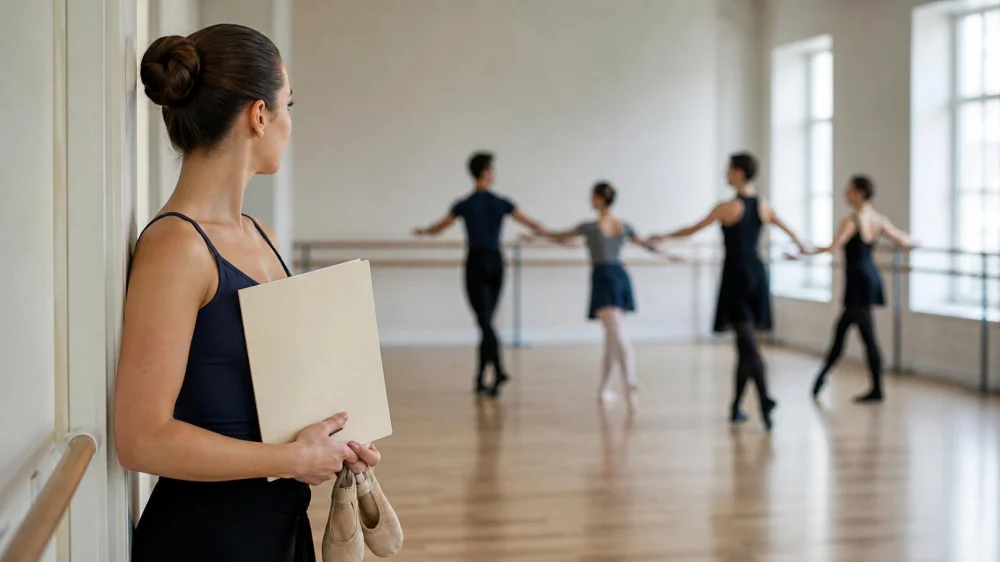
For a first dance audition, follow the notice exactly, arrive with requested materials and suitable shoes, and be ready to learn in groups. In the room, listen fully, mark with spatial awareness, keep your assigned place, adapt after corrections, and stay professional between combinations. Your goal is to show how you work as well as what you can perform.
Read the audition notice closely
Start with the official call, not a repost or a friend's summary. Confirm date, time zone, location, eligibility, style, role or program, compensation if stated, registration method, required materials, footwear, music, and whether cuts or callbacks occur the same day.
Check instructions about headshots, résumés, reels, identification, accompanists, pre-registration, age documentation, union status, and media release. Requirements vary widely across professional work, schools, intensives, community productions, and company programs.
Research the organization through authoritative sources. Understand the type of work, schedule, location, costs or pay, and commitment before sharing personal information or traveling. Be cautious of unclear fees, pressure to pay immediately, requests for inappropriate images, or communication that cannot be verified.
Prepare your materials
- Requested application, résumé, headshot, reel, or portfolio in the specified format.
- Appropriate dancewear and every shoe type named in the notice.
- A simple backup outfit and basic personal-care items.
- Water and permitted food for the expected schedule.
- Necessary medicine and personal health supplies.
- Secure payment method only for legitimate, disclosed costs.
- Route, arrival instructions, emergency contact, and plan for valuables.
Label belongings discreetly and keep the bag compact. Do not bring a large wardrobe or equipment the call does not request. Test digital files and music in advance, but follow the audition's device and playback rules.
How to work in the room
- Check in as directed. Use the name and identifier assigned by staff.
- Choose space fairly. Avoid blocking others and rotate lines when instructed.
- Listen before moving. Let the teacher finish explaining before asking a concise question.
- Mark with awareness. Use smaller movement while learning and keep travel pathways clear.
- Apply corrections. Treat general notes as relevant unless told otherwise.
- Stay available. Watch for group calls and avoid disappearing between rounds.
- Respect privacy. Do not record, photograph, livestream, or post other dancers without explicit permission.
Professional presence does not require pretending you are never nervous. It means remaining attentive, courteous, and responsive while nervous.
Learn and perform the combination
First capture the pathway, direction, timing, and major weight changes. Add style, focus, dynamics, and details as the material becomes stable. If you miss a step, rejoin at a clear landmark rather than stopping in the middle of the group.
Use demonstrations and permitted questions efficiently. Ask about a specific transition, facing, count, or pathway that affects safety or clarity. Avoid requesting a private re-teaching of the entire phrase during a group process.
When groups rotate, enter and exit promptly. Keep performing through the stated endpoint, then clear the space. Do not crowd the front, drift into another dancer's pathway, or make unsafe last-second changes to attract attention.
The panel may be assessing musical response, learning speed, adaptability, performance quality, technique, style fit, collaboration, or practical casting needs. You cannot control every factor; focus on the task you were given.
What to do afterward
Thank staff briefly if the process allows, collect belongings, and leave the room clear. Record useful notes privately while the combination and corrections are fresh. Do not demand immediate feedback or argue about a cut.
Follow the stated result timeline and contact method. Send a concise follow-up only if the instructions permit or the deadline passes. Protect confidential material and do not publish casting information before the organization announces it.
Review the experience with concrete questions: Did I have the correct materials? Which learning strategy worked? Where did spacing or timing break down? Choose one practice target rather than treating the result as a complete judgment of your ability.
Safety and boundaries
Warm up for the expected demands without exhausting yourself. Check the floor and space, use shoes suited to the style and surface, and do not attempt an unfamiliar trick, lift, drop, or extreme range because of pressure.
Stop for injury, significant pain, dizziness, or loss of safe control. Tell appropriate staff when a task or contact raises a safety concern. Minors should have a parent or guardian review logistics, consent, supervision, costs, and communication.
A legitimate opportunity should have clear boundaries. Seek guidance from a trusted teacher, guardian, union, legal professional, or relevant authority if contracts, payment, harassment, unsafe conditions, or exploitation are concerns. This article is general preparation, not legal or career advice.
Sources and evidence notes
The recommendations reflect common audition-room practice: follow the call, prepare required materials, learn efficiently, maintain spacing, respond to direction, and respect confidentiality. Every organization can set a different process, so its current written instructions control.
Selection depends on many artistic and practical factors. No checklist can guarantee a callback or role.
Frequently asked questions
How early should I arrive?
Use the arrival or check-in window in the notice. Leave a travel buffer, but do not enter restricted spaces before staff is ready.
What if I forget choreography?
Keep timing and spatial safety, recover at a clear landmark, and continue. Avoid copying a neighboring dancer so closely that you lose your own spacing.
Should I stand in the front?
Use the line or group assigned and rotate when asked. Visibility matters, but respectful spacing and the ability to work anywhere also matter.
Can I ask for feedback afterward?
Only if the organization invites questions or offers feedback. Many auditions cannot provide individual notes because of time and policy.
What if the audition asks for money?
Some programs and classes have disclosed fees, while employment auditions may operate differently. Verify the organization, purpose, terms, and refund policy before paying, and seek trusted advice if anything feels unclear.
Next steps
Re-read the official call and build a one-page checklist for materials, clothing, travel, check-in, and result timing. Practice learning short combinations in limited rounds, prepare your questions, and set one process goal you can control. In the room, listen, adapt, protect spacing, and finish each task professionally.


 Flip Me Dip Me - Dance Performance, Choreography, and Instruction5.0 (1 reviews)
 Chanhassen Recreation Center4.0 (117 reviews)
 KC Dance5.0 (1 reviews)
 Bollywood/Hip Hop Dance Classes for Boys & Girls3.0 (4 reviews)
 Gotta Dance Studio5.0 (7 reviews)
 Studio 12 Dance Center5.0 (7 reviews)
 A School K-pop Club Is Learning a New Dance: Tips and Insights for Success
 K-Pop Dance for Beginners – What You Need to Know
 Can’t Stop the Feeling School Dance: Why It Works and How to Make It Shine
 Pole Dance Step by Step Guide for Beginners: Learn the Basics and More
 Ballet to Improve Flexibility: Expert Tips for Enhancing Your Stretching Routine
 Do They Have Mother-Son Dances in School? A Complete Guide for Parents