
- 1-Understanding-Salsa-Dancing
- 2-Common-Mistakes-Beginners-Make
- 3-Footwork-and-Timing-Errors
- 4-Lead-and-Follow-Challenges
- 5-Posture-and-Body-Movement-Issues
- 6-Practice-Tips-to-Overcome-Errors
- 7-Real-Life-Case-Studies-and-Success-Stories
- 8-Choosing-the-Right-Salsa-Resources
- 9-Pro-Tips-for-Long-Term-Salsa-Success
1. Understanding Salsa Dancing
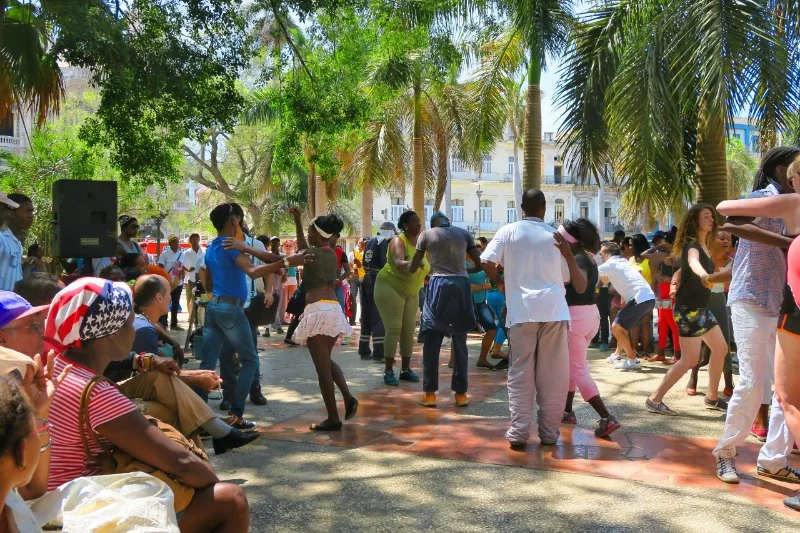
Salsa is a vibrant and energetic dance originating from Latin America, combining Afro-Cuban rhythms with modern dance elements. It is characterized by quick footwork, fluid body movements, and dynamic spins, making it both visually captivating and physically engaging.
Before diving into salsa lessons, dancers need to understand:
- The basic rhythm of salsa music, typically counted in 8-beat measures.
- Fundamental foot patterns such as the basic step, cross-body lead, and side steps.
- Importance of timing, coordination, and connection with a dance partner.
Understanding these foundational concepts prevents common mistakes and helps dancers progress confidently.
2. Common Mistakes Beginners Make
Many new dancers make similar errors that hinder progress. Recognizing these mistakes early can accelerate skill development.
2.1 Rushing the Music
One of the most frequent errors is dancing too fast or ahead of the beat. Salsa relies on precise timing; moving ahead disrupts the rhythm and can confuse both the dancer and their partner.
2.2 Neglecting Basic Steps
Some beginners attempt advanced moves before mastering the basics. Without a strong foundation, spins, turns, and styling can appear uncoordinated and unstable.
2.3 Ignoring Partner Connection
Salsa is a social dance. Failing to maintain proper connection with a partner leads to poor communication and awkward interactions on the dance floor.
3. Footwork and Timing Errors
Precise footwork is critical in salsa. Common errors include:
3.1 Stepping Off-Beat
Moving on the wrong count causes rhythm mismatch. Beginners should practice counting “1-2-3, 5-6-7” to internalize the rhythm.
3.2 Improper Weight Shifts
Shifting weight incorrectly between feet can affect balance and control. Proper weight distribution ensures smooth transitions during turns and spins.
3.3 Dragging or Stomping
Excessive force when stepping disrupts the fluidity of motion. Light, deliberate steps create a more elegant and controlled appearance.
4. Lead and Follow Challenges
Effective salsa dancing requires a strong lead-and-follow dynamic. Mistakes often occur when:
4.1 Leads Are Too Forceful
Over-pulling or jerking the partner leads to discomfort and misalignment. Smooth, clear guidance is essential for effective leading.
4.2 Follows Anticipate Moves
Some followers try to predict the lead’s moves instead of reacting naturally. This can disrupt timing and connection, making spins and turns awkward.
4.3 Communication Is Lacking
Non-verbal cues, such as hand pressure and body frame, must be consistent. Practicing silent communication helps both partners respond correctly and gracefully.
5. Posture and Body Movement Issues
Proper posture enhances style, balance, and endurance in salsa. Common problems include:
5.1 Slouched Upper Body
Leaning forward or rounding the shoulders diminishes elegance and can strain the back. Maintaining an upright, relaxed posture improves appearance and comfort.
5.2 Stiff Hips
Rigid hip movement limits the natural flow of salsa. Gentle, controlled hip motion adds rhythm and sensuality to the dance.
5.3 Tension in Arms and Hands
Overly tense arms reduce responsiveness. Relaxed hands and elbows maintain a fluid connection with your partner, allowing smooth turns and spins.
6. Practice Tips to Overcome Errors
Correcting common salsa mistakes requires focused practice and technique awareness.
6.1 Use a Mirror
Mirrors help dancers observe posture, foot placement, and alignment, enabling self-correction.
6.2 Break Down Steps
Practice basic steps separately before integrating them into full routines. Mastering each component ensures a strong foundation for complex moves.
6.3 Record Yourself
Recording practice sessions allows dancers to identify subtle errors in timing, posture, and connection.
6.4 Practice with Multiple Partners
Dancing with different partners enhances adaptability and teaches responsiveness to varying lead and follow styles.
7. Real-Life Case Studies and Success Stories
Emily, a beginner dancer from New York, struggled with off-beat steps during her first salsa classes. By using mirror practice and step decomposition recommended by American Dance Academy, she improved her timing significantly within three months.
Meanwhile, Carlos, a social dancer in Los Angeles, had difficulty leading smoothly. Through targeted partner exercises and video analysis, he developed a controlled lead style that enhanced both his confidence and partner’s experience on the dance floor.
8. Choosing the Right Salsa Resources
Accessing quality tutorials, classes, and practice tools accelerates learning and helps avoid mistakes:
- Structured video tutorials covering footwork, turns, and timing.
- Professional instructors for private or group lessons.
- Guides and tip sheets highlighting common errors and corrective exercises.
- Practice playlists that maintain consistent rhythm for timing improvement.
Resources from American Dance Academy provide curated lessons and expert guidance to ensure safe and effective learning for all skill levels.
9. Pro Tips for Long-Term Salsa Success
- Always warm up before dancing to prevent injuries and enhance fluidity.
- Focus on partner connection rather than flashy moves.
- Attend social dance events to gain practical experience.
- Continuously review and practice basic steps even as skills advance.
- Maintain a positive mindset and patience; mastery takes time and repetition.
By addressing these common mistakes and practicing consistently, dancers can improve rhythm, style, and partner connection, making salsa both enjoyable and impressive on any dance floor.



 Old School Texas West4.0 (84 reviews)
 Dance Alliance of Bradenton0.0 (0 reviews)
 Escola de Samba Denver5.0 (6 reviews)
 Vibe Dance Academy5.0 (4 reviews)
 Crunch Fitness - Lakewood Ranch4.0 (735 reviews)
 ARA DANCE CULTURAL CENTER4.0 (37 reviews)
 Waltz to Try in 2025: Tips from Experts
 Can Students Slow Dance at Dysart Schools? A Guide to Policies and Respectful Expression
 Why Ballet Is Popular to Improve Flexibility
 Tap Dance Trending on TikTok: Step by Step
 Salsa Every Dancer Should Know – Everything You Should Know
 A Move of God Dance School: Where Faith and Dance Come Together