
- 1-Importance of Salsa Dancing for College Students
- 2-Basic Salsa Steps to Start With
- 3-Partner Moves and How to Sync
- 4-Turns and Spins for Style and Confidence
- 5-Cross Body Lead Techniques
- 6-Inside and Outside Turns Explained
- 7-Shines: Solo Footwork to Impress
- 8-Basic Lifts and Dips Safely
- 9-Combining Moves into Fluid Routines
- 10-Practice Strategies and Social Dance Tips
1. Importance of Salsa Dancing for College Students
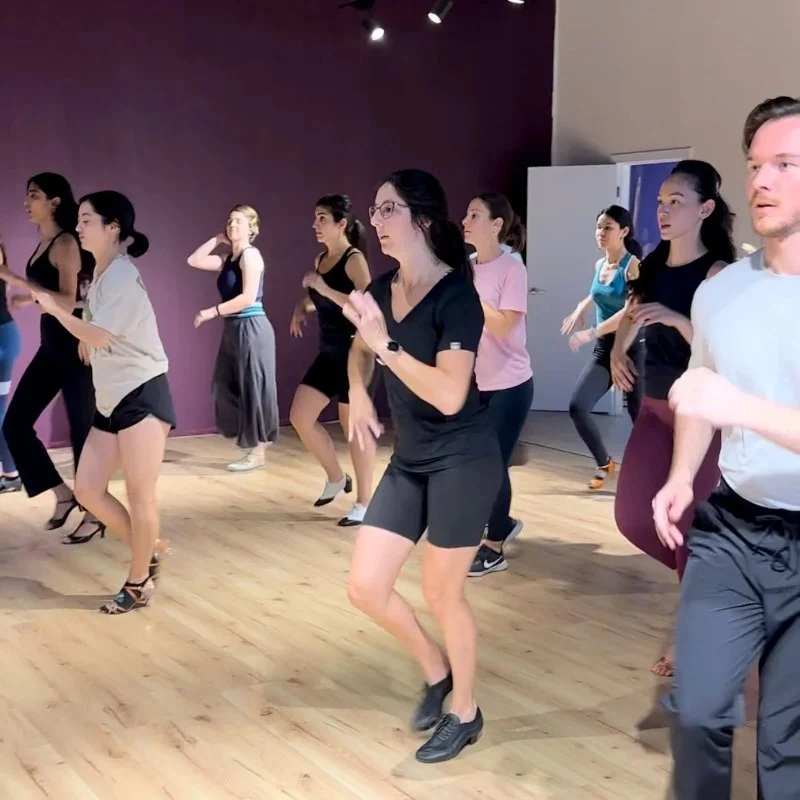
Salsa dancing is more than just movement; it’s a social connector. College students often seek engaging ways to socialize, relieve stress, and stay active. Mastering top salsa moves not only builds confidence on the dance floor but also enhances rhythm, coordination, and even memory. Many universities now host salsa nights or workshops, creating the perfect environment for students to practice, meet new people, and enjoy a culturally rich experience.
Studies also suggest that learning dance improves cognitive skills and reduces stress levels, making salsa a healthy and fun activity for busy students balancing academics and social life.
2. Basic Salsa Steps to Start With
Every salsa dancer begins with the foundational steps. The basic forward and backward steps are essential, as they form the rhythm and flow of all advanced moves. Focus on keeping your weight balanced and practicing with music to internalize the beat. For college students, practicing in small groups or even in dorm rooms can make learning consistent and enjoyable.
2.1 Forward and Back Basic
Step forward with the left foot, step back with the right, and repeat. Keep your knees slightly bent and maintain smooth movement. This simple step sets the groundwork for spins, turns, and partner moves.
2.2 Side-to-Side Basic
Shift your weight from one foot to another laterally. This enhances agility and prepares dancers for complex transitions.
3. Partner Moves and How to Sync
Salsa is often danced with a partner, and synchronization is key. Learning how to lead and follow ensures fluidity and prevents collisions. Start with simple handholds and focus on matching timing and rhythm. Communication through subtle cues like hand pressure or gentle pulls can create a seamless experience.
3.1 Basic Partner Step
The leader steps forward while the follower steps back, then swap. Practicing this slowly first helps students build muscle memory and confidence.
3.2 Hand Changes
Transitioning hands correctly allows for spins and cross-body leads. Proper timing ensures the dance remains graceful.
4. Turns and Spins for Style and Confidence
Turns and spins add flair to salsa. College students can impress at social events by mastering single and double turns. Begin with half turns, gradually increasing speed while maintaining balance.
4.1 Single Turn
Shift weight, pivot on the ball of your foot, and use arms for balance. This move works in both solo practice and partner dancing.
4.2 Double Turn
Once comfortable with a single turn, combine two rotations. This is visually striking and often a highlight in social performances.
5. Cross Body Lead Techniques
The cross body lead is a fundamental partner move where the leader guides the follower across the body’s path, creating dynamic motion. Proper posture, timing, and eye contact are essential to execute this smoothly.
6. Inside and Outside Turns Explained
Inside and outside turns allow dancers to navigate around their partners with elegance. The leader cues the follower through hand placement and direction. Practicing these in sequences helps students create fluid transitions between moves.
7. Shines: Solo Footwork to Impress
Shines are solo movements allowing dancers to showcase creativity. They break the monotony of partner routines and help students practice footwork, rhythm, and speed. Popular shines include the basic mambo step, side taps, and syncopated kicks.
8. Basic Lifts and Dips Safely
While advanced, lifts and dips can enhance a performance. Start with small dips and ensure proper support from your partner. Safety is critical, so practicing on padded surfaces or during workshops is highly recommended.
9. Combining Moves into Fluid Routines
Once comfortable with individual steps, turns, and shines, begin stringing moves together into routines. College dance clubs often host mini showcases, giving students opportunities to experiment and gain performance confidence. Combining moves improves rhythm, timing, and overall dance presence.
10. Practice Strategies and Social Dance Tips
Consistent practice is key to mastery. Dedicate short daily sessions and attend salsa nights to experience live music and partners. Watching videos of experienced dancers can also inspire creativity and refinement. For curated tutorials, gear recommendations, and event guidance, platforms like American Dance Academy offer valuable resources for college students to enhance their salsa journey.



 Jessica's Dance Academy4.0 (6 reviews)
 Ballet Folklorico Mexico Azteca5.0 (4 reviews)
 Ovation School of Dance5.0 (13 reviews)
 StepFlix Entertainment5.0 (72 reviews)
 Nanette Boyer Ballet Dance Studio5.0 (5 reviews)
 Two Occasions Dance Lessons5.0 (5 reviews)
 The History of Bollywood Dance to Try in 2025: A Guide to the Best Styles
 How to Master Bachata Workout Benefits
 What Is Homecoming Dance in High School and Why It Matters
 A Dance School Offers Classes in Ballet Folklorico to Celebrate Culture and Skill
 A Star School of Dance: What Makes It a Shining Example of Performing Arts Education
 De Braam School of Dance & Theatre Arts: Where Talent Meets Excellence