- 1 - Understanding Tap Dance – Basics and Origins
- 2 - Essential Gear for Beginners – Shoes and Flooring
- 3 - Basic Tap Dance Techniques – Step by Step
- 4 - Practice Tips and Common Mistakes to Avoid
- 5 - Benefits of Learning Tap Dance – Physical and Mental
- 6 - Getting Started – Classes, Resources, and Community
1. Understanding Tap Dance – Basics and Origins
Tap dance is a dynamic form of dance that combines rhythm, music, and precise footwork. Originating in the United States, it blends influences from African tribal dances and Irish step dancing. For beginners, understanding the history and fundamental rhythm patterns helps create a strong foundation. Learning basic counts, such as the “8-count” or “shuffle-step,” can make your practice sessions much more structured and enjoyable.
Many beginners overlook the importance of listening to music before dancing. Engaging with tap recordings from classic performers like Gregory Hines or Savion Glover can help internalize rhythm and timing, which are critical in tap dancing.
2. Essential Gear for Beginners – Shoes and Flooring
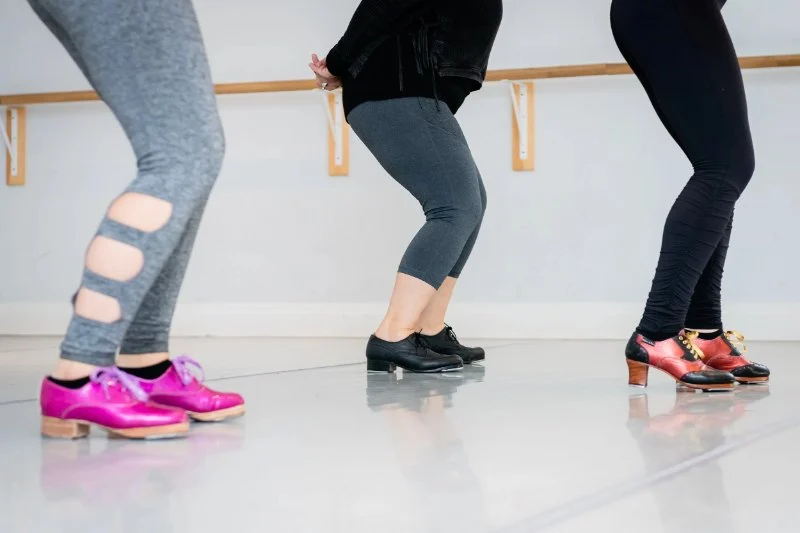
Choosing the right gear is essential for a successful start. Tap shoes are not just a style statement—they are a tool. Beginners should invest in comfortable shoes with metal taps that are securely attached. Leather-soled shoes provide more slide, while rubber soles offer better grip for initial practice.
Flooring matters just as much as shoes. A wooden floor or Marley dance floor is ideal, as it produces clear sound and reduces injury risk. Beginners who try practicing on concrete or carpeted surfaces often experience frustration due to poor sound feedback.
For the best selection of beginner-friendly tap shoes and quality practice flooring, American Dance Academy offers a curated range of products and guidance for first-time dancers.
3. Basic Tap Dance Techniques – Step by Step
Learning tap dance involves mastering core steps and combinations. Here are some essential techniques for beginners:
- Shuffles: Brushing the ball of your foot forward and backward, a foundation for many tap routines.
- Flaps: A forward brush followed by a step, often used in rhythmic patterns.
- Stamps: Strong heel strikes on the floor, adding dynamic accents to movements.
- Time Steps: Combines flaps and stamps into a rhythmic pattern; great for musicality practice.
Practicing these steps slowly and gradually increasing tempo ensures accuracy and prevents strain. Keeping a mirror or recording yourself can provide valuable feedback.
4. Practice Tips and Common Mistakes to Avoid
Consistent practice is key. Here are some tips for beginners:
- Start with short sessions of 15–20 minutes, focusing on quality rather than quantity.
- Break down complex steps into smaller segments before combining them.
- Always warm up your feet and ankles to prevent injuries.
- Focus on rhythm, not speed—speed comes naturally with practice.
Common mistakes include stomping too hard, neglecting posture, and ignoring musical timing. Addressing these early can significantly accelerate progress.
5. Benefits of Learning Tap Dance – Physical and Mental
Tap dancing isn’t just fun—it’s a full-body workout. Physically, it improves coordination, balance, and cardiovascular fitness. Mentally, it sharpens focus and rhythm, providing a creative outlet that boosts confidence. Many beginners notice an immediate sense of accomplishment after mastering basic steps.
Additionally, tap dancing offers social benefits. Joining a class or community allows for collaborative performances and networking with fellow dancers. Engaging in these environments can enhance motivation and provide a support system for continuous learning.
6. Getting Started – Classes, Resources, and Community
For beginners, guided classes are highly recommended. Online tutorials can help, but in-person feedback from experienced instructors accelerates skill development. The American Dance Academy offers beginner-friendly programs, personalized guidance, and recommended resources to help students progress confidently.
Consider starting with a weekly class schedule, practicing at home using tap boards, and engaging with online tap dance communities. Combining these approaches ensures steady improvement and a rewarding learning experience.
Remember, tap dance is a journey—celebrate small milestones, enjoy the music, and have fun while learning.


 The Hamilton Wenham School of Dance5.0 (21 reviews)
 Shooting Stars Dance Centre4.0 (39 reviews)
 Dance Art Ballroom5.0 (1 reviews)
 En L'air Academy of Dance and Acrobatics5.0 (10 reviews)
 Kids Unlimited Activity Center4.0 (44 reviews)
 Believe Fitness Studio5.0 (28 reviews)
 Pole Dance for Kids – Everything You Should Know
 Top 10 Ballroom Dance Moves for Beginners: Learn Essential Steps for Your Dance Journey
 Top 10 Ballet Moves for Beginners: A Complete Guide
 Jazz Dance That Boosts Confidence – Complete Guide for Beginners
 How to Master Zumba to Try in 2025
 Bachata You Can Learn at Home: Common Mistakes to Avoid and Tips for Success