- 1-Why-Hip-Hop-Is-Great-For-Kids
- 2-Top-10-Hip-Hop-Moves-For-Kids
- 3-Tips-For-Teaching-Hip-Hop-To-Kids
- 4-Creating-A-Fun-Practice-Routine
- 5-Success-Stories-And-Case-Examples
1. Why Hip Hop Is Great for Kids
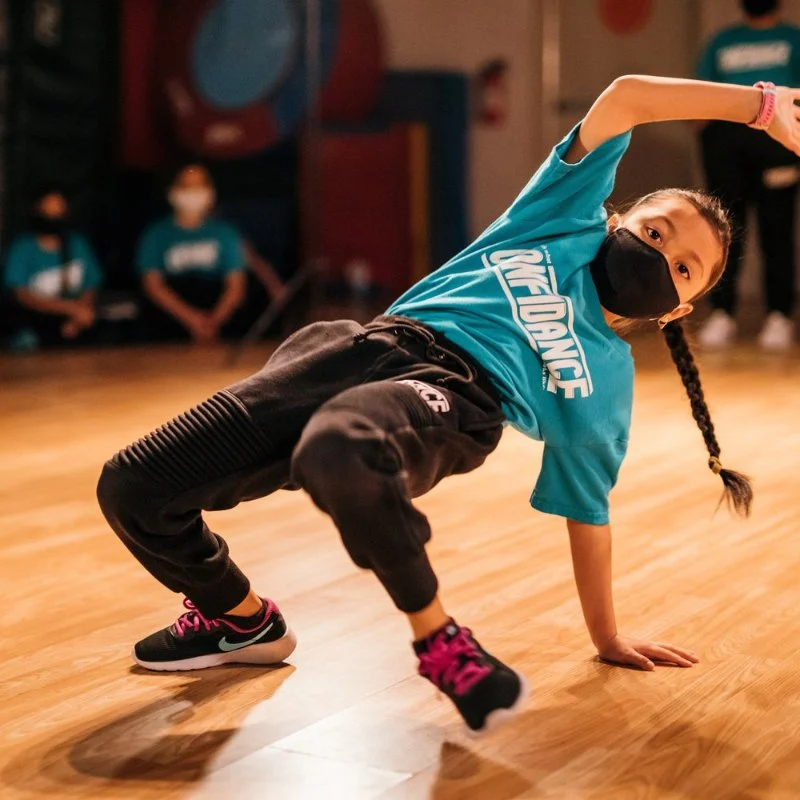
Hip hop is not just a dance style; it’s an exciting way for kids to develop rhythm, coordination, and self-expression. Unlike some structured dances, hip hop encourages creativity and personal style, helping children build confidence while having fun. Programs at American Dance Academy emphasize a supportive environment where kids learn both movement and the culture behind hip hop.
2. Top 10 Hip Hop Moves For Kids
2.1 The Two-Step
A foundational step that combines side-to-side motion with arm swings. It helps kids get comfortable with rhythm and foot coordination.
2.2 The Baby Freeze
A playful move that introduces basic floor work while teaching balance. Kids love experimenting with gentle freezes.
2.3 The Running Man
A classic move with a fun, energetic feel. It encourages speed control and fluid leg movement.
2.4 The Wave
This arm movement teaches smooth transitions and body isolation, essential skills in hip hop.
2.5 The Pop and Lock
Encourages precision in movement. Kids learn to “pop” muscles sharply and “lock” into a pose.
2.6 The Moonwalk
An iconic move that helps kids explore sliding motions and improve lower body coordination.
2.7 The Step Touch
A simple, beginner-friendly move that integrates steps with side-to-side weight shifts, perfect for warm-ups.
2.8 The Hip Twist
Focuses on core movement and fluidity. It helps kids develop control over torso rotation while dancing.
2.9 The Shoulder Shimmy
Teaches small, controlled movements and adds style to routines. It also encourages rhythm awareness.
2.10 The Spin
Kids learn to rotate smoothly, improving balance and adding dynamic flair to routines. Spins can be integrated with other moves for choreography.
3. Tips for Teaching Hip Hop to Kids
Effective teaching combines clear instruction, encouragement, and fun challenges. Key points include:
- Demonstrate moves slowly and break them into steps.
- Use upbeat music that matches children’s energy levels.
- Encourage practice in front of mirrors for self-correction.
- Allow kids to freestyle and add personal flair.
4. Creating a Fun Practice Routine
Structure practice sessions with warm-ups, focused move practice, mini choreography, and cooldown. Rotating moves each session keeps kids engaged. American Dance Academy incorporates games and challenges to make learning enjoyable and memorable.
5. Success Stories and Case Examples
At American Dance Academy, 8-year-old Liam started with basic two-step and wave moves. Within three months, he confidently performed a 3-minute hip hop routine for a school recital. His story shows how regular practice, positive reinforcement, and a structured yet fun approach help kids master moves quickly.
Similarly, Mia, 7, improved balance and rhythm by practicing the baby freeze and running man, gaining confidence and enjoying dance socials with peers.
These real-life examples demonstrate that learning hip hop is about growth, creativity, and enjoyment. By following these top 10 moves and tips, kids develop skills that extend beyond dance, boosting coordination, confidence, and social interaction.


 Naad Studios0.0 (0 reviews)
 Dance Dimensions Norfolk Va5.0 (9 reviews)
 Showtime Dance Studio5.0 (4 reviews)
 Evergreen Dance Academy4.0 (14 reviews)
 Valencia Arts Center & The Academy Theatre4.0 (3 reviews)
 The Absolute Studio5.0 (7 reviews)
 Why K-Pop Dance Is Popular and How You Can Learn It
 The History of Shuffle Dance – Learn the Basics and More
 Top 10 Bachata Moves That Boost Confidence: Dance Your Way to Self-Assurance
 Pole Dance Near Me in the USA – Everything You Should Know
 Tap Dance for Kids – Complete Guide: Learning, Benefits, and More
 Shuffle Dance for Beginners – What You Need to Know