
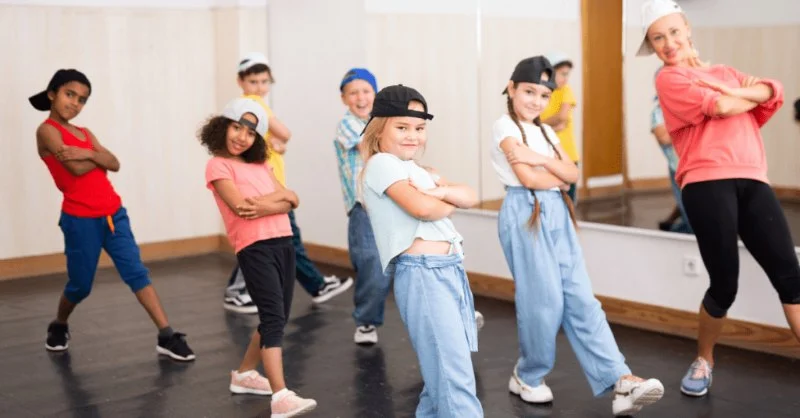
- foundation-of-hip-hop-dance-basics
- top-10-hip-hop-moves-explained
- how-to-practice-hip-hop-moves-safely
- common-mistakes-beginners-make
- building-confidence-through-hip-hop
1. Foundation of Hip Hop Dance Basics
Before diving into the Top 10 Hip Hop Moves Explained, it’s important to understand what makes hip hop dance unique. Unlike classical dance styles that follow rigid structures, hip hop is rooted in freedom, rhythm, and individuality. It began in the streets of New York in the 1970s and has evolved into a global cultural movement.
1.1 Groove Comes First
Every great hip hop dancer understands groove. Groove is the natural bounce and rhythm in your body that connects you to the music. Without groove, even technically perfect moves can look stiff. When beginners struggle, it’s often because they focus too much on steps and forget to feel the beat.
1.2 Musicality and Expression
Hip hop dance is about hitting accents in the music—whether it’s a bass drop, snare hit, or vocal emphasis. Developing musicality transforms basic hip hop dance moves into performance-ready skills.
2. Top 10 Hip Hop Moves Explained
2.1 The Two-Step
1. Step side to side while bouncing with the beat.
2. Add shoulder movement for style.
3. Keep it relaxed and natural.
This move is simple but powerful. Many professional dancers still use it in choreography because it builds rhythm and confidence.
2.2 The Body Roll
1. Start from the chest, rolling down through your torso.
2. Engage your core for control.
3. Practice slowly before increasing speed.
The body roll adds smoothness and is commonly seen in both old school and modern hip hop dance routines.
2.3 The Dougie
1. Lean slightly back.
2. Swing your arms loosely.
3. Add head and shoulder attitude.
This move gained massive popularity in the early 2010s and shows how hip hop evolves through viral culture.
2.4 The Running Man
1. Lift one knee while sliding the opposite foot back.
2. Switch legs in rhythm.
3. Maintain consistent bounce.
The Running Man remains one of the most recognizable hip hop dance moves worldwide.
2.5 The Cabbage Patch
1. Rotate your arms in a circular motion.
2. Shift your weight side to side.
3. Add personality to make it your own.
2.6 Popping
1. Contract and release muscles quickly.
2. Hit sharply on musical beats.
3. Practice isolation control.
Popping requires precision and muscle control, making it a favorite in freestyle battles.
2.7 Locking
1. Perform quick movements.
2. Freeze dramatically in place.
3. Smile and exaggerate expression.
Locking brings funk energy and theatrical style to performances.
2.8 The Wave
1. Start from fingertips.
2. Pass motion through wrists, elbows, shoulders.
3. Continue across the body.
This illusion-based move helps dancers improve fluidity.
2.9 Krump Stomp
1. Use powerful stomps.
2. Express emotion intensely.
3. Focus on controlled aggression.
Krumping emphasizes raw emotion and storytelling through movement.
2.10 The Spin and Freeze
1. Execute a controlled spin.
2. Stop sharply in a pose.
3. Hold for dramatic effect.
This move is often used to finish choreography with impact.
3. How to Practice Hip Hop Moves Safely
3.1 Warm Up Properly
Before practicing hip hop dance moves, warm up your joints, especially knees and shoulders. Many beginners skip this and risk injury.
3.2 Start Slow Before Speed
Practicing slowly helps develop muscle memory. Speed will come naturally once control improves.
3.3 Record Yourself
Watching playback helps identify stiffness or timing issues. Many dancers are surprised at how different they look compared to how they feel.
4. Common Mistakes Beginners Make
4.1 Overthinking Movements
One common mistake when learning the Top 10 Hip Hop Moves Explained is focusing too much on perfection. Hip hop values individuality over rigid technique.
4.2 Ignoring Groove
Without bounce and rhythm, even advanced moves look mechanical.
4.3 Lack of Consistent Practice
Improvement comes from repetition. Even 15 minutes daily can dramatically increase skill level.
5. Building Confidence Through Hip Hop
5.1 Real-Life Example: From Beginner to Performer
A student at American Dance Academy once shared how nervous she felt during her first class. She struggled with timing and coordination. However, after three months of practicing basic hip hop dance moves consistently, she performed confidently at a local showcase. The transformation wasn’t just physical—it was emotional. She stood taller, spoke more confidently, and felt empowered.
5.2 Why Hip Hop Builds Self-Expression
Hip hop encourages dancers to bring their personality into every move. Whether you're practicing popping, locking, or the Running Man, the style becomes uniquely yours.
If you’re ready to master the Top 10 Hip Hop Moves Explained and take your skills further, American Dance Academy offers professional guidance, structured classes, and supportive instructors to help dancers of all levels grow.
With patience, groove, and consistent training, anyone can develop strong hip hop dance foundations and perform with confidence.

 Studio 904 Ballroom5.0 (82 reviews)
 Adamson Ballet School4.0 (24 reviews)
 Nordquist-Taylor Dance Program5.0 (35 reviews)
 Steel City Dance Factory, LLC0.0 (0 reviews)
 Royal Amelia Dance Academy5.0 (1 reviews)
 Zumba with Shirley5.0 (5 reviews)
 Did Jennifer Lopez Go to Dancing School? Her Journey from Bronx to Stardom
 Do Boys Wear Tuxedos to High School Homecoming Dance?
 How to Master Line Dance for Beginners
 A School Dance Song: How Music Shapes Teenage Memories
 Can California Public Schools Charge Students to Attend Dances
 Top 10 Samba Moves for Kids