- why-tap-dance-is-great-for-children
- best-age-to-start-tap-dancing
- what-kids-learn-in-their-first-classes
- how-parents-can-support-learning
- real-story-building-confidence-through-dance
- choosing-the-right-training-environment
1. Why Tap Dance Is Great for Children
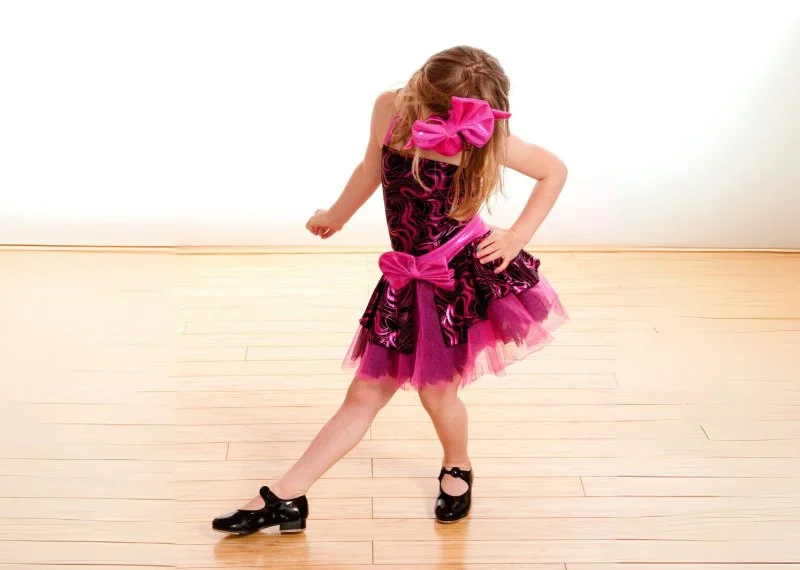
Tap Dance for Kids – Complete Guide begins with understanding why this energetic dance style has become a favorite among families across the United States. Tap dance combines rhythm, movement, and creativity in a way that feels both playful and structured. Children quickly learn that their feet become instruments, turning every step into sound and expression.
1.1 Building Rhythm and Coordination
One of the first benefits children experience is improved coordination. Tap dance teaches kids to listen carefully, move in time, and control their steps. This helps develop motor skills that also support other activities such as sports, music, and classroom learning.
1.2 Encouraging Confidence and Self-Expression
Standing in front of a mirror, learning a routine, and performing small combinations builds self-confidence. Children who are shy often find that the rhythm of tap helps them come out of their shell. Over time, they begin to feel proud of what their bodies can accomplish.
1.3 A Fun Way to Stay Active
Tap classes keep kids moving without feeling like exercise. The constant stepping and rhythm practice improve stamina while making the experience enjoyable and engaging.
2. Best Age to Start Tap Dancing
Parents often ask when the right time is to introduce tap dance. While every child is different, most kids can begin learning basic rhythm and movement at a young age. The key is finding an environment that balances learning with fun.
2.1 Early Childhood Introduction
Many children start around ages four to six. At this stage, classes focus on simple rhythms, balance, and playful movement rather than strict technique. The goal is to make learning enjoyable and build a positive connection with dance.
2.2 Elementary School Development
As children grow older, they can handle more structured lessons. They begin to understand timing, patterns, and the coordination needed to perform longer sequences. This stage often brings noticeable improvement in skill and confidence.
2.3 Growing With the Art Form
Some kids who start young continue developing their abilities into their teenage years. Tap dance can become a long-term passion that supports discipline and creativity.
3. What Kids Learn in Their First Classes
The first lessons are designed to introduce rhythm and help children feel comfortable. Teachers focus on making students feel included while slowly building technique.
3.1 Learning Basic Sounds and Steps
Children begin with simple movements that create clear sounds. These early steps teach them how different parts of the foot produce different rhythms. Over time, they learn to combine these sounds into patterns.
3.2 Understanding Musical Timing
Tap dancing teaches children how to follow music and count beats. This builds listening skills and helps them stay focused during class activities.
3.3 Developing Classroom Confidence
Group classes allow kids to practice performing in front of others in a supportive setting. This encourages teamwork and reduces stage fright.
4. How Parents Can Support Learning
Family encouragement plays a big role in a child’s success. When parents show interest in what their children are learning, kids feel motivated to keep improving.
4.1 Creating a Positive Practice Routine
Even a few minutes of practice at home can help children remember what they learned in class. Playing music and letting them repeat steps makes practice feel like playtime.
4.2 Celebrating Small Achievements
Every new step mastered is progress. Praising effort rather than perfection helps children stay excited about learning.
4.3 Finding Trusted Dance Resources
Many parents explore guidance from American Dance Academy to better understand training programs, class expectations, and equipment suggestions for young dancers.
5. Real Story: Building Confidence Through Dance
A parent once shared how their eight-year-old child struggled with shyness at school. After joining a tap class, the child slowly began to open up. At first, they barely spoke during lessons. Within a few months, they were smiling, counting rhythms out loud, and even performing in a small recital.
5.1 Growth Beyond the Studio
The improvement didn’t stop at dance. Teachers noticed the child participating more in class and making new friends. Tap dance became a stepping stone for confidence in everyday life.
5.2 The Power of Encouragement
Stories like this show how creative movement can positively affect emotional development. It becomes more than just a hobby; it becomes a safe space for self-expression.
6. Choosing the Right Training Environment
Selecting the right place for children to learn is an important part of the Tap Dance for Kids – Complete Guide. A supportive environment helps children stay motivated and enjoy the learning process.
6.1 Looking for Supportive Instructors
Teachers who understand how to work with children make a big difference. Positive feedback, patience, and encouragement help young dancers feel comfortable.
6.2 Safe and Welcoming Spaces
A clean, organized studio with proper flooring ensures children can practice safely. Feeling welcome and included encourages them to keep attending classes.
6.3 Long-Term Learning Opportunities
Programs that allow children to grow step by step help maintain interest. As skills improve, kids feel a sense of accomplishment that keeps them engaged in dance.


 Dancing Kitty Yoga Studio5.0 (15 reviews)
 The Dance Spot5.0 (3 reviews)
 Apple's Dance Lab4.0 (28 reviews)
 Millennium Dance Company3.0 (17 reviews)
 Jam Box Fitness Lounge4.0 (57 reviews)
 Arizona Dance Studio4.0 (38 reviews)
 Do Schools in France Have Dances? Discover French Dance Traditions
 How to Make the Most of a School Dance: Tips, Themes, and Dance Floor Fun
 How to Master Pole Dance to Try in 2025
 The History of Tango to Burn Calories
 Top 10 Samba Moves for Kids
 Do Colleges Have School Dances? A Look at Modern Campus Dance Life