
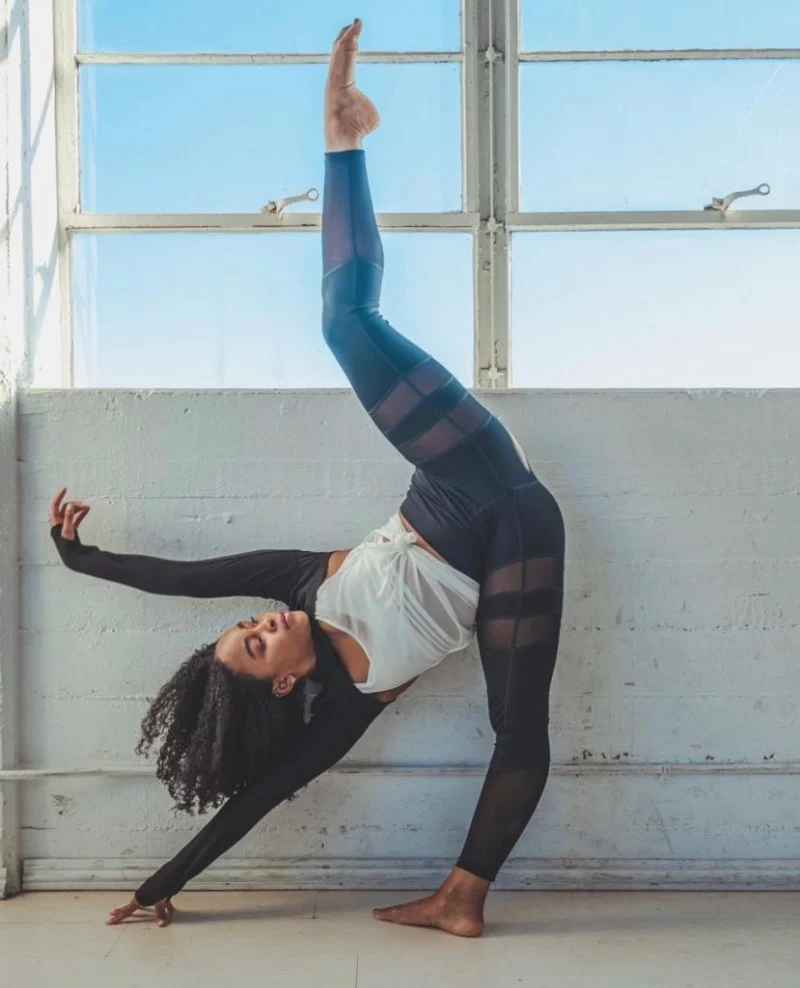
1. Why Contemporary Dance is Great for Flexibility
Contemporary dance is not just about movement; it's a powerful way to improve flexibility while enjoying a creative and expressive workout. By combining modern dance techniques with elements of classical ballet, jazz, and even hip hop, contemporary dance allows for fluid, expansive movement that stretches and strengthens the muscles. Whether you're a beginner or an experienced dancer, contemporary dance can enhance your flexibility in ways that other forms of exercise might not.
1.1 Benefits of Flexibility Through Dance
Flexibility is key to better posture, reduced injury risk, and improved range of motion. In contemporary dance, stretches are often incorporated into the choreography, which helps build flexibility over time. The movement involved in contemporary dance also promotes muscle elongation, making it an excellent way to increase flexibility while improving strength and coordination.
1.2 Improving Mental Flexibility
In addition to the physical benefits, contemporary dance also boosts mental flexibility. It encourages creativity and mindfulness as dancers interpret and express music and emotions through their movements. This mental flexibility complements physical flexibility, helping you become more adaptable both inside and outside the dance studio.
2. Step-by-Step Guide to Using Contemporary Dance to Improve Flexibility
Now that you understand the benefits, it's time to dive into a step-by-step guide on how you can use contemporary dance to improve flexibility. Whether you're looking to add dance to your fitness routine or want to enhance your dance performance, following these steps will help you develop better flexibility.
2.1 Warm-Up for Flexibility
A proper warm-up is crucial before engaging in any physical activity, especially when your goal is to improve flexibility. Start with dynamic stretches such as arm circles, leg swings, or torso twists. These movements prepare your muscles and joints for the deeper stretches and fluid movements required in contemporary dance.
2.2 Stretching Techniques in Contemporary Dance
In contemporary dance, a wide variety of stretching techniques can help improve flexibility. Here are a few key techniques:
- Leaning Forward (Hamstring Stretch): Sit on the floor with one leg extended and the other leg bent. Reach forward toward your toes while keeping your back straight. Hold for 15-30 seconds, then switch legs.
- Standing Side Stretch: Stand tall with your feet hip-width apart. Reach one arm overhead and bend your body to the side, stretching your waist and hip. Hold for a few seconds and repeat on the other side.
- Hip Flexor Stretch: In a lunge position, with one foot forward and the other knee on the ground, gently push your hips forward to stretch the hip flexor. Hold for 15-30 seconds, then switch sides.
2.3 Dance Exercises for Flexibility
After your warm-up, integrate these specific contemporary dance exercises into your practice to enhance your flexibility:
- Arabesque Stretch: Stand tall and extend one leg behind you while keeping the other foot on the ground. Reach forward with your arms as you lean into the stretch. This move opens up the hips and stretches the back.
- Leg Lifts and Extensions: From a standing position, lift one leg in front of you and extend it as high as you can. Hold it for a few seconds, then lower it. Repeat several times for each leg.
- Plie Squats: These are a staple in contemporary dance, and they help improve flexibility in the hips, knees, and ankles. Perform plies by bending your knees while keeping your feet turned out, and make sure your knees track over your toes.
2.4 Improving Flexibility Through Dance Choreography
Contemporary dance choreography often includes large, sweeping movements that require flexibility. By practicing choreographed pieces, you not only improve your dance skills but also stretch and engage your muscles in a dynamic way. Whether you're focusing on jumps, extensions, or floor work, choreography challenges your body to adapt to different movements that promote flexibility.
2.5 Cool Down and Stretch
After completing your dance session, it's important to cool down and stretch. Focus on slow, static stretches to release any tension in your muscles. Hold each stretch for 20-30 seconds to allow your muscles to relax and lengthen. This helps with muscle recovery and ensures that your flexibility continues to improve over time.
3. Real-Life Example: How Contemporary Dance Helped Improve Flexibility
Many dancers and fitness enthusiasts have shared their experiences of improving flexibility through contemporary dance. Let’s take a look at one such story:
3.1 Emily’s Journey: From Stiffness to Fluid Movement
Emily, a beginner dancer, struggled with tight muscles and limited flexibility when she first started contemporary dance. She committed to a routine that included warm-ups, stretching exercises, and dance choreography three times a week. After several months of consistent practice, Emily saw significant improvements in her flexibility. She was able to execute movements with more grace and ease, and her body felt more relaxed. Emily’s experience highlights the transformative power of contemporary dance in improving flexibility.
4. Tips for Enhancing Flexibility Faster
While consistency is key, there are additional tips that can help you improve your flexibility even faster. Here are some suggestions to accelerate your progress:
- Be Consistent: Flexibility improvement requires consistent practice. Incorporate daily stretching into your routine to see faster results.
- Listen to Your Body: Avoid overstretching or forcing your muscles into positions that feel uncomfortable. Flexibility develops gradually, so take it one step at a time.
- Hydrate and Nourish: Drink plenty of water and eat a balanced diet. Hydration and proper nutrition support muscle health and flexibility.
5. Conclusion
Contemporary dance offers a fun and effective way to improve flexibility, combining creativity with physical movement. By following the step-by-step guide and staying consistent in your practice, you'll notice improvements in both your flexibility and overall fitness. Whether you're a seasoned dancer or just starting out, contemporary dance is a great way to unlock your body’s potential. For expert guidance and dance gear, be sure to visit American Dance Academy for the best products and services to help you on your journey.
 Dance Elite5.0 (13 reviews)
 Premier Performance, LLC4.0 (8 reviews)
 Mambo Groovin' Latin Dance Theater5.0 (4 reviews)
 Academy of Performing Arts4.0 (10 reviews)
 USA Dance Chapter #20175.0 (1 reviews)
 MJ Ballroom4.0 (3 reviews)
 Bollywood Dance Tutorial: Common Mistakes to Avoid
 Are Dance Schools Considered Dance Halls? Understanding the Difference
 Line Dance for Adults: Common Mistakes to Avoid for Better Moves
 Top 10 Bachata Moves Fitness Routine for Beginners and Experts
 How the Iconic High School Dance Scene in *It's a Wonderful Life* Influenced Modern Dance
 Can a High Schooler Choreograph a Dance? Here’s What You Should Know