
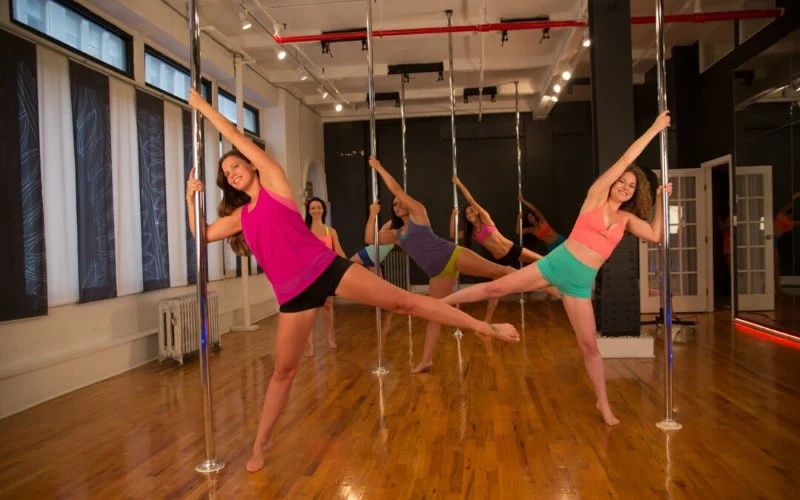
How to Master Pole Dance to Try in 2025
- 1 - Getting Started with Pole Dance
- 2 - Essential Training Tips for Pole Dancing
- 3 - Common Mistakes to Avoid When Pole Dancing
- 4 - Advanced Pole Dance Techniques to Master
- 5 - 2025 Pole Dance Trends You Should Try
- 6 - Recommended Resources for Pole Dance Enthusiasts
Pole dancing has gained popularity in recent years, not only as a form of exercise but also as a way to boost confidence and self-expression. Whether you're a beginner or looking to enhance your skills, mastering pole dance requires patience, dedication, and the right guidance. Before you begin, it’s important to understand the basics and what you'll need to get started.
1.1 Finding the Right Pole and Space
One of the first steps to mastering pole dancing is ensuring you have the right equipment. Whether you’re practicing at home or in a studio, make sure you have a sturdy pole that is safely installed. There are different types of poles, such as static and spinning poles, each offering unique challenges. If you're new to pole dancing, a static pole might be easier to begin with. Make sure the space around the pole is clear of any obstacles to avoid injury.
1.2 The Importance of Warm-up and Stretching
Before each practice session, it’s crucial to warm up and stretch to avoid injury. Focus on dynamic stretches for your shoulders, wrists, and legs to prepare your body for the demands of pole dancing. Warming up not only helps prevent injuries but also improves your flexibility and range of motion, which are essential for mastering pole tricks.
Pole dancing is a full-body workout that engages your core, arms, and legs. To master pole dance, you need to incorporate strength, flexibility, and coordination into your training routine. Below are some key training tips that will help you progress faster and become more confident on the pole.
2.1 Build Your Core Strength
A strong core is the foundation of every pole move, whether it's spinning, climbing, or holding static poses. Incorporate exercises that target your abdominals, back, and hips to build strength. Pilates, planks, and leg raises are excellent exercises that will improve your pole dancing performance by enhancing your core stability.
2.2 Improve Your Grip Strength
Your grip strength is key to holding onto the pole and performing tricks. As you progress, you'll need to develop strong forearms and hands. Practice gripping the pole in different ways and incorporate hand-strengthening exercises like wrist curls and farmer's walks into your training routine. Additionally, using pole grip aids like chalk or grip gloves can help enhance your hold, especially during sweaty sessions.
2.3 Flexibility is Key
Flexibility allows you to perform elegant and fluid movements while pole dancing. Dedicate time to stretching your muscles regularly, especially your shoulders, hamstrings, and hips. Yoga and dynamic stretching can help increase your flexibility and make your pole tricks look more graceful and effortless.
While pole dancing is an exciting and rewarding practice, beginners often make mistakes that can slow down their progress or cause injury. Here are some common mistakes to avoid and tips for correcting them.
3.1 Poor Form and Posture
Maintaining the correct form and posture is crucial when performing pole tricks. Common mistakes include arching your back too much, using your arms excessively, or not engaging your core. Always remember to keep your core engaged and maintain a neutral spine to avoid strain and improve your performance. Take time to focus on form during each movement rather than rushing through it.
3.2 Skipping Strength Training
Many beginners focus too much on learning tricks and neglect strength training. Strength is the foundation of pole dance, and without it, you won’t be able to perform advanced moves safely. Incorporate strength exercises like push-ups, pull-ups, and squats into your weekly routine to build the muscle you need to excel in pole dancing.
3.3 Not Resting Enough
Rest is just as important as practice when mastering pole dance. Overtraining can lead to fatigue, injury, and burnout. Make sure to schedule regular rest days and listen to your body. Give your muscles time to recover between sessions to ensure steady progress without risking injury.
Once you've mastered the basics, it’s time to move on to more advanced pole dance techniques. These moves require strength, flexibility, and coordination, and mastering them will take your pole dancing to the next level.
4.1 Spins and Inversions
Spinning on the pole is one of the most exciting aspects of pole dancing. Start by practicing basic spins such as the fireman spin or the chair spin. Once you’ve mastered these, you can move on to more advanced spins like the jade split spin or the butterfly spin. Inversions are also key moves that will require you to build upper body and core strength. Practice your inversions carefully and ensure you have a strong grip before attempting them.
4.2 Pole Climbs and Holds
Pole climbs and holds are impressive moves that require strong arms and a tight core. Begin with basic pole climbs and progress to advanced holds such as the Ayesha or the elbow grip hold. These moves will require you to rely on both strength and technique to maintain stability and control.
4.3 Combination Choreography
Once you've learned individual tricks, combining them into a smooth routine will take your pole dancing to the next level. Practice linking different spins, holds, and inversions into a flowing choreography. This will help you develop your rhythm and control while creating a dynamic and graceful routine.
In 2025, pole dance continues to evolve with new trends and styles emerging. Here are some of the pole dance trends you should try this year.
5.1 Pole Dance Fitness Fusion
In 2025, pole dance is being fused with other fitness disciplines like yoga, Pilates, and strength training. These hybrid classes combine pole tricks with bodyweight exercises to build strength, flexibility, and coordination. This trend is perfect for those who want a full-body workout while mastering pole dancing techniques.
5.2 Aerial Pole Dancing
Aerial pole dancing, which incorporates elements of aerial silks and hoop, is gaining popularity. This style combines traditional pole tricks with aerial acrobatics, allowing for new and exciting moves that challenge your strength and flexibility. If you're looking to push your limits, aerial pole dancing is a great way to take your skills to new heights.
5.3 Pole Dance for Self-Expression
As pole dance continues to gain recognition as a form of self-expression, many dancers are focusing more on personal style and creativity. In 2025, pole dance choreography is becoming more fluid, with dancers incorporating their personalities and emotions into their routines. Whether you’re performing a sensual routine or a powerful performance, pole dance is becoming an increasingly diverse and artistic form of self-expression.
To help you master pole dance and stay up-to-date with the latest trends, consider checking out American Dance Academy. They offer expert guidance, personalized lessons, and access to a supportive community of pole dancers. Whether you're a beginner or an advanced dancer, American Dance Academy has everything you need to improve your pole dancing skills.



 Moonstone Flow Yoga & Bellydance5.0 (1 reviews)
 Ms. Natalia's Academy Of Acrobatic arts5.0 (13 reviews)
 Bold Moves Dance Company4.0 (18 reviews)
 The Turning Pointe: Dance and Fitness5.0 (7 reviews)
 Nrithik Dance Academy5.0 (50 reviews)
 Germantown School District Performing Arts Center5.0 (12 reviews)
 Discovering the Cultural Origins of Line Dance and Its Global Impact
 Can California Public Schools Charge Students to Attend Dances
 Why Is Square Dancing Taught in Schools
 Waltz for Seniors – Everything You Should Know
 Can a High Schooler Choreograph a Dance? Skills, Tips, and Inspiration
 Why Salsa Is Popular for Seniors | American Dance Academy