- 1. Introduction to Samba Dance for Kids
- 2. Top 10 Samba Moves for Kids
- 3. Benefits of Teaching Samba to Kids
- 4. How to Get Started with Samba Dance
- 5. Where to Learn Samba for Kids
1. Introduction to Samba Dance for Kids
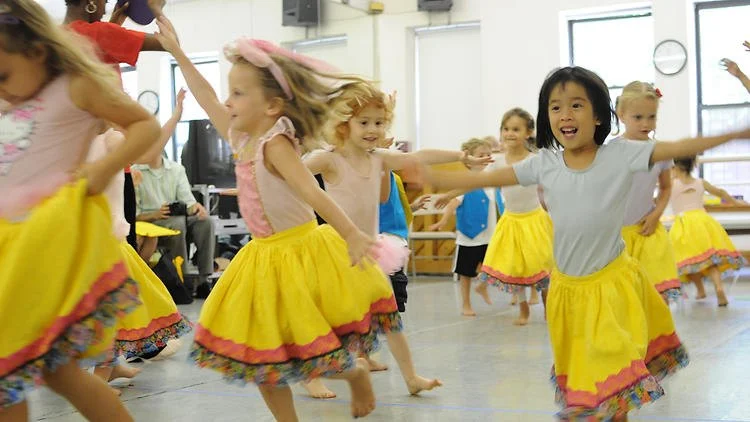
Samba is a lively and energetic dance style that originates from Brazil, known for its rhythmic movement and festive feel. It's not just an adult dance; samba can be a great activity for kids too! Whether for fun, fitness, or social skills, learning samba offers numerous benefits for children. The upbeat tempo and engaging movements make samba a fantastic choice for young dancers.
Incorporating samba into your child’s routine will help them improve their coordination, rhythm, and flexibility. Plus, they will have a blast learning the fun and expressive samba moves!
2. Top 10 Samba Moves for Kids
Here are the top 10 samba moves for kids that will help them learn the dance while having fun!
2.1 The Basic Samba Step
The basic samba step is the foundation of all samba movements. It involves shifting your weight from one foot to the other while stepping in rhythm with the music. For kids, breaking this move into easy steps helps them get comfortable with the rhythm.
2.2 The Samba Bounce
The samba bounce is a fun, rhythmic motion where your body gently bounces up and down with each step. This movement adds energy and flow to the dance and helps kids learn to sync their movements with the beat.
2.3 The Cross-Step
The cross-step is an easy yet exciting move where one foot crosses in front of the other, followed by a quick step back. This step allows kids to explore crossing over their legs while maintaining balance and rhythm.
2.4 The Samba Rock Step
The samba rock step involves a rocking motion where you shift your weight from one foot to the other. It’s a smooth and fun move that can be performed in many parts of the dance, adding fluidity and grace.
2.5 The Bota-Fogo
The bota-fogo is a traditional samba move that involves stepping to the side and bringing the other foot around in a circular motion. This is a great way for kids to practice their coordination and timing as they learn to execute the move fluidly.
2.6 The Samba Twist
The samba twist is a playful move where the feet twist outwards and inwards while keeping the body aligned with the rhythm. It helps kids develop their flexibility and adds a fun twist to their samba performance!
2.7 The Lateral Step
This simple yet effective step involves stepping sideways and bringing the other foot to meet it in a rhythmic pattern. It’s a great way for kids to get comfortable with side-to-side movement while keeping the beat of the music.
2.8 The Samba Turn
The samba turn is a fun spin that can be incorporated into the routine. Kids can practice turning in circles while maintaining their balance and rhythm. This move adds excitement and flair to the samba performance!
2.9 The Hip Sway
Samba is all about the hips! The hip sway involves gently moving the hips from side to side while keeping the feet in place. This movement helps kids develop their sense of rhythm and adds a fun, expressive element to their samba performance.
2.10 The Samba Jump
The samba jump is an exciting move where kids can add some height to their dance by hopping from foot to foot. It’s a high-energy movement that adds an element of fun and joy to the dance.
3. Benefits of Teaching Samba to Kids
Teaching samba to kids offers numerous benefits. Here are just a few of the advantages:
3.1 Improves Coordination
Samba involves various footwork and hand movements that help improve a child’s coordination. Learning the complex steps can help children gain better control of their bodies, which is essential for other physical activities and sports.
3.2 Enhances Rhythm and Timing
Samba is a rhythm-based dance, so it’s excellent for helping kids develop a strong sense of timing and rhythm. This skill transfers to other aspects of their musical and artistic development.
3.3 Builds Confidence
As kids learn and master new samba moves, they gain confidence in their abilities. Samba also encourages self-expression, allowing children to feel comfortable in their own skin and embrace their creativity.
4. How to Get Started with Samba Dance
Getting started with samba is easier than you think! Here are a few steps to help your child begin their samba journey:
4.1 Find a Dance School or Online Lessons
Enrolling your child in a samba dance class is a great way to start. Many dance schools offer beginner-friendly classes specifically designed for kids. Alternatively, there are numerous online platforms offering samba dance tutorials for kids that can be followed at home.
4.2 Start with Basic Steps
Start by teaching your child the basic samba steps. Mastering the fundamentals, such as the samba bounce and basic steps, will set a solid foundation for more complex moves later on.
4.3 Practice Regularly
Consistency is key to mastering samba. Encourage your child to practice regularly, whether it's through structured lessons or just having fun dancing around the house. The more they practice, the more confident and skilled they will become!
5. Where to Learn Samba for Kids
If you’re looking for a place where your child can learn samba, consider enrolling them in a class at the American Dance Academy. They offer a variety of dance programs, including samba classes for kids, where young dancers can learn fun moves while improving their coordination, rhythm, and confidence.
Whether in-person or online, finding the right dance academy will provide a supportive environment for your child to enjoy samba and other dance forms!

 Fitnesse Dance Center5.0 (9 reviews)
 Capoeira Mandinga Tucson4.0 (9 reviews)
 Richens/Timm Academy of Irish Dance5.0 (6 reviews)
 Miss Amy's Dance4.0 (39 reviews)
 The Shakti Rising4.0 (39 reviews)
 Uptempo Dance4.0 (6 reviews)
 The History of Belly Dance Every Dancer Should Know
 Bachata You Can Learn at Home: Common Mistakes to Avoid and Tips for Success
 Hip Hop Fitness Routine: A Step-by-Step Guide to Burn Calories and Have Fun
 Hip Hop Step by Step Guide: Everything You Should Know
 Shuffle Dance Cultural Origins – Complete Guide | American Dance Academy
 Waltz Near Me in the USA – Everything You Should Know