
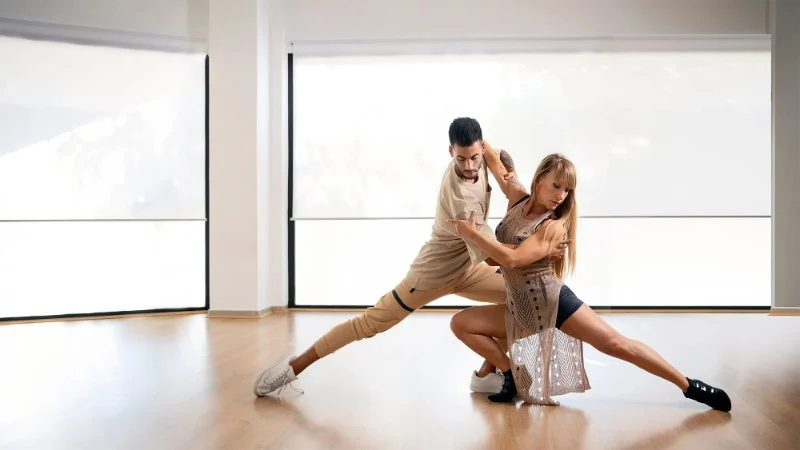
Why Ballroom Dance Is a Popular Fitness Routine
In recent years, ballroom dance has emerged as one of the most exciting and effective fitness routines. What makes it stand out is not just the graceful moves or the thrill of competition, but the numerous physical and mental benefits it offers. Whether you're a beginner or a seasoned dancer, ballroom dance provides a unique workout experience that keeps you engaged and motivated. In this article, we explore why ballroom dance has become such a popular choice for fitness enthusiasts and how it can improve your overall well-being.
- 1. What Is Ballroom Dance?
- 2. The Physical Benefits of Ballroom Dance
- 3. The Mental Benefits of Ballroom Dance
- 4. Ballroom Dance vs. Other Fitness Routines
- 5. How to Get Started with Ballroom Dance
1. What Is Ballroom Dance?
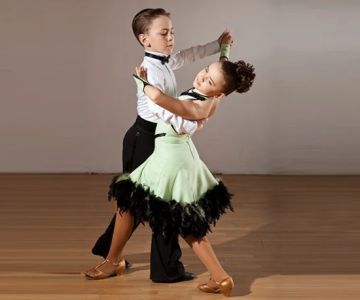
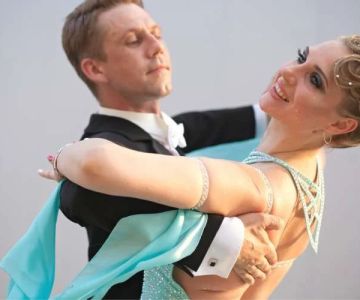
Ballroom dance refers to a group of partner dances that are performed in a formal or social setting. These dances include styles like the Waltz, Tango, Foxtrot, Rumba, and Cha-Cha, each with its own rhythm, steps, and cultural origins. While many people associate ballroom dancing with competitions or social events, it has become a staple in fitness routines due to its elegance and cardiovascular benefits.
2. The Physical Benefits of Ballroom Dance
Ballroom dancing offers a full-body workout, engaging muscles from head to toe. Whether you're doing the smooth movements of the Waltz or the energetic steps of the Cha-Cha, your body gets a great workout. Here's how:
2.1. Cardiovascular Health
Ballroom dancing is an excellent cardiovascular workout that increases your heart rate, improving circulation and stamina. The fast-paced movements and continuous footwork make it a great way to improve heart health while having fun.
2.2. Strength and Muscle Tone
The dynamic movements in ballroom dance help build and tone muscles, especially in the legs, core, and arms. As dancers shift their weight and maintain balance, they develop strength and flexibility, which contributes to better posture and body alignment.
2.3. Balance and Coordination
One of the most important aspects of ballroom dance is learning to move in sync with your partner while maintaining your balance. This improves overall coordination and body awareness, which are crucial for daily activities and other physical activities.
2.4. Weight Loss
While ballroom dancing may seem like a fun activity, it is also a calorie-burning exercise. Depending on the style, a one-hour session of dancing can burn between 300 to 500 calories, making it an effective workout for those looking to lose weight or maintain a healthy weight.
3. The Mental Benefits of Ballroom Dance
In addition to its physical benefits, ballroom dance has a positive impact on mental well-being. Here’s how it can improve your overall mental health:
3.1. Stress Relief
Dance allows individuals to immerse themselves in the music and forget about the stresses of everyday life. The focus required to learn and practice new routines serves as a great mental distraction, helping to reduce stress and anxiety.
3.2. Cognitive Benefits
Ballroom dancing requires memory and focus, as dancers must recall steps, rhythms, and patterns. This constant mental engagement helps improve cognitive function and memory, especially as dancers age.
3.3. Confidence and Self-Esteem
As dancers master new skills and perform in front of others, they gain confidence in their abilities. The positive feedback from instructors and fellow dancers boosts self-esteem and fosters a sense of accomplishment.
4. Ballroom Dance vs. Other Fitness Routines
Unlike traditional gym workouts or running, ballroom dance offers a unique combination of fitness, creativity, and social interaction. While other fitness routines like cycling or swimming target specific muscle groups, ballroom dancing engages your whole body in a more fluid and rhythmic way.
4.1. Social Interaction
One of the standout features of ballroom dance is its social element. It’s not just about exercise; it's about connection. Partnering up with someone to dance creates an opportunity to interact, which can be a fun way to meet new people and build social bonds.
4.2. Fun Factor
Many fitness routines can feel monotonous or like a chore. However, ballroom dancing makes working out feel like an enjoyable activity. The music, rhythm, and creativity involved ensure that you look forward to each session rather than dread it.
5. How to Get Started with Ballroom Dance
If you’re ready to start incorporating ballroom dance into your fitness routine, here's what you need to do:
5.1. Take a Class
Most dance studios offer beginner ballroom dance classes that cover the basic steps of popular styles. Signing up for a class will help you get familiar with the moves and provide you with a structured learning environment.
5.2. Practice Regularly
Like any fitness routine, consistency is key. Practice at home or attend social dance events to improve your technique and build your confidence. The more you practice, the better you’ll become.
5.3. Invest in Comfortable Shoes
Good footwear is essential for ballroom dance. Invest in a pair of comfortable, supportive dance shoes that will protect your feet and allow you to move freely.
Ballroom dance is a fantastic way to stay fit, have fun, and improve your physical and mental well-being. Whether you’re looking to lose weight, build strength, or reduce stress, ballroom dancing offers a versatile and engaging workout. Ready to get started? Check out [American Dance Academy] for top-rated dance classes and resources to help you on your journey to better fitness.
 Oceanside Dance Center Inc5.0 (12 reviews)
 Tutu School Renton5.0 (13 reviews)
 LAT Studio4.0 (58 reviews)
 Joyce Lemos Aerial Arts & Dance Academy4.0 (33 reviews)
 STAGE LEFT Dance & Theater Arts Academy1.0 (1 reviews)
 Art in Motion School of Dance5.0 (3 reviews)
 Are School Dances Overrated? Exploring the Pros and Cons
 Bachata Cultural Origins: Step by Step Guide to Its Roots and Evolution
 Foxtrot for Adults: Tips from Experts
 Shuffle Dance for Couples – Complete Guide
 Ballroom Dance to Burn Calories – Effective Tips and Dance Styles
 Can’t Stop the Feeling School Dance: Why It Works and How to Make It Shine