- Why Learn the Waltz?
- Top 10 Waltz Moves for Beginners
- Essential Tips for Learning the Waltz
- Real-Life Waltz Stories and Inspiration
Why Learn the Waltz?
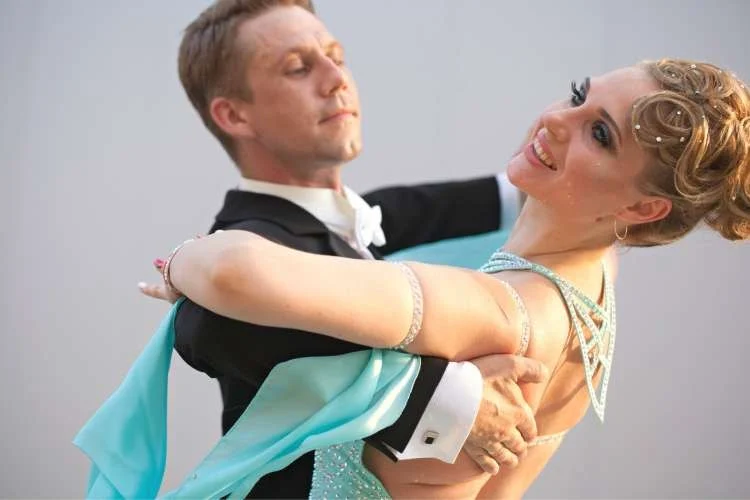
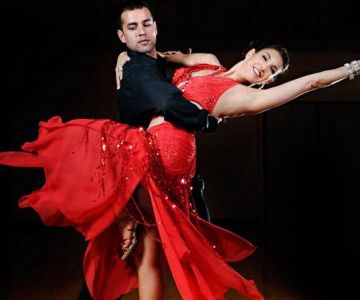
The waltz is one of the most elegant and romantic ballroom dances, known for its graceful, flowing movements. It’s perfect for beginners because of its simple structure and slow tempo, making it an excellent choice for those new to dancing. Mastering the waltz not only enhances your dancing skills but also gives you a sense of confidence and poise. Whether for a wedding, a social event, or just for fun, learning the waltz is a valuable skill that brings joy and beauty to any dance floor.
Top 10 Waltz Moves for Beginners
Learning the waltz starts with mastering a few essential moves that are fundamental to the dance. Here are the top 10 waltz moves that every beginner should learn:
- Basic Box Step: The box step is the foundation of the waltz. It involves moving in a square shape, taking three steps—forward, side, and together, then backward, side, and together. This step creates the signature "box" shape on the floor and is essential for beginners to master.
- Left Box Turn: This move adds a spin to the basic box step. It involves turning to the left while completing the box step, creating a smooth, rotating motion. It’s a great way to add variety to your dance.
- Right Box Turn: Similar to the left box turn but in the opposite direction, the right box turn allows for a clockwise spin while completing the box step. Both left and right turns add flow and elegance to the waltz.
- Natural Turn: The natural turn is a smooth, continuous turn that begins with a basic step and progresses into a full rotation. It helps the dancer move around the floor gracefully and is a popular move in competitive waltz.
- Reverse Turn: The reverse turn is the opposite of the natural turn, involving a counterclockwise rotation. It helps balance the dance by creating a flowing back-and-forth movement around the floor.
- Weave: The weave adds complexity and style to the waltz. It involves weaving in and out of your partner's arms, creating a dynamic movement that enhances the rhythm and flow of the dance.
- Twinkle Step: The twinkle step is a graceful, rotating move that incorporates a subtle pause and shift in direction. It’s a beautiful move for beginners to practice, especially in more advanced variations of the waltz.
- Step Together Step: This move involves stepping forward with one foot, bringing the other foot to meet it, and then stepping again with the first foot. It’s a simple but important move that adds elegance to the overall flow of the dance.
- Forward and Backward Steps: These basic steps help dancers learn how to move fluidly on the dance floor, whether moving toward or away from their partner. They are foundational to building rhythm and control.
- Promenade Position: The promenade position involves the couple facing the same direction while moving forward together. This is a classic waltz position that gives the dance a smooth, sweeping look.
Essential Tips for Learning the Waltz
Mastering the waltz as a beginner can be challenging but fun. Here are some tips to help you progress quickly and efficiently:
- Practice Your Timing: The waltz is danced to a 3/4 time signature, so focus on staying in time with the music. Count "1, 2, 3" to ensure you're stepping to the beat of the music.
- Focus on Posture: Good posture is key to maintaining balance and elegance while dancing. Stand tall, keep your shoulders back, and engage your core muscles.
- Start Slow: When learning new moves, start slow and focus on precision before increasing speed. Gradually build up your speed as you gain confidence and muscle memory.
- Dance with a Partner: If you have a dance partner, practice the waltz together as often as possible. If not, try practicing the footwork on your own to build familiarity with the steps.
- Take Dance Classes: Consider enrolling in a beginner waltz class or seeking out online tutorials to get expert guidance and feedback on your form and technique.
Real-Life Waltz Stories and Inspiration
Learning the waltz can be a fun and rewarding experience, and many beginners have shared their stories online. Take the case of Sarah and Michael, a couple from New York who decided to take waltz lessons for their wedding. With only a few months of practice, they were able to perform a beautiful waltz at their wedding reception, impressing their guests with their grace and poise. Sarah shared, “We never imagined we could learn such a classic dance in such a short time, and it was the highlight of our wedding day!”
Another inspiring story comes from James, a retiree who took up dancing as a way to stay active. He started learning the waltz at the age of 65 and now dances regularly in local ballroom competitions. His dedication to practicing the waltz has not only kept him physically fit but has also helped him connect with others who share his love for dance.
 SSGA Cheer, Dance, Gymnastics4.0 (16 reviews)
 Dont Stop Dancin4.0 (12 reviews)
 Nashville Salsa Dancing5.0 (100 reviews)
 Little Stars Dance Studio5.0 (4 reviews)
 Pamela Myers Wurdemans Academy of Dance Arts and Performance5.0 (3 reviews)
 Ballet and All That Jazz Dance School5.0 (7 reviews)
 Why Dance Schooling Matters for Growth, Confidence, and Future Paths
 K-Pop Dance Workout Benefits: Everything You Should Know
 Why Contemporary Dance Is Popular Tutorial
 Why Tango Is a Popular Workout: Benefits You Should Know
 Can a High Schooler Choreograph a Dance? Here’s What You Should Know
 Foxtrot You Can Learn at Home – Complete Guide to Mastering the Dance