
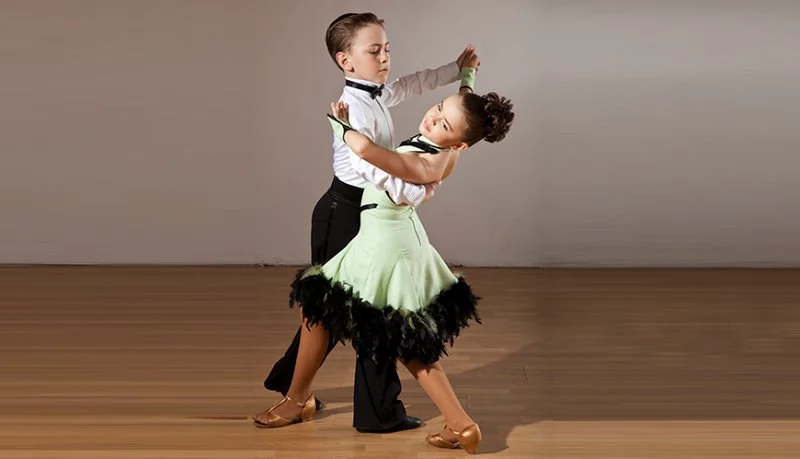
1. Introduction to Foxtrot for Kids
The foxtrot is one of the most popular and elegant ballroom dances, and it's also a great choice for kids! Known for its smooth, flowing movements and graceful style, it’s an excellent way for children to develop rhythm, coordination, and social skills. Whether it’s for a performance or just for fun, learning the foxtrot can be an exciting experience for kids of all ages. In this guide, we’ll walk you through the basics of teaching the foxtrot to children, making it both fun and easy for them to learn.
2. Why Foxtrot is a Great Dance for Kids
The foxtrot is an excellent dance style for children for several reasons:
- Simple and Elegant Movements: The smooth and easy-flowing steps make it simple for young children to learn, while still providing a challenge to older kids who want to refine their skills.
- Improves Balance and Coordination: The foxtrot’s slow, deliberate movements help kids improve their balance and coordination, essential skills in dance and other physical activities.
- Enhances Social Skills: The foxtrot is a partner dance, which means it promotes teamwork and communication between kids. It’s an ideal way for children to learn cooperation and social interaction.
- Fun and Energizing: Kids love to move to music, and the foxtrot provides a way to keep them engaged while learning dance. It’s a fun and enjoyable way to burn off energy and express themselves.
3. Basic Foxtrot Steps for Kids
Teaching kids the basic steps of the foxtrot is the first step toward mastering this dance. Here's a breakdown of the fundamental movements:
- The Basic Step: The foxtrot basic step consists of a slow-slow-quick-quick rhythm. This means you take two slow steps followed by two quick steps. Start by having kids practice this in a stationary position before moving around the floor.
- The Lead and Follow: The foxtrot is a partner dance, so teaching kids how to work together is key. One partner (usually the adult or teacher) leads with specific steps, and the other partner follows. Encourage them to stay in sync and move together.
- Footwork: For beginners, start by focusing on the correct footwork. The lead will step forward with the left foot and the follow with the right. Then, they alternate as they progress through the dance.
4. Fun Tips for Teaching Foxtrot to Kids
Here are some fun and creative ways to keep kids engaged while learning the foxtrot:
- Use Favorite Music: Children are more likely to stay engaged when they can dance to songs they know and love. Create a playlist of fun songs with a smooth tempo to practice foxtrot movements.
- Incorporate Games: Make learning fun by incorporating games. For example, have kids practice the basic steps while playing a "freeze dance" game, where they freeze in place when the music stops.
- Encourage Expressive Movement: While learning the steps, encourage kids to add their own flair by using their arms or smiling as they dance. This keeps the atmosphere lighthearted and fun.
- Break it Down: Don’t rush through the steps. Break down each part of the dance and give kids plenty of time to practice. Celebrate small victories as they master each movement!
5. Challenges and Solutions in Teaching Foxtrot to Kids
While teaching kids the foxtrot is rewarding, there may be some challenges along the way. Here are a few common obstacles and solutions:
- Challenge: Short Attention Span - Solution: Keep lessons short and interactive. Children have shorter attention spans, so break the lessons into manageable chunks with fun activities to maintain their interest.
- Challenge: Difficulty with Timing - Solution: Reinforce the concept of rhythm by using clapping or tapping exercises. You can also encourage kids to practice with a metronome or music that has a clear beat.
- Challenge: Coordination Issues - Solution: Practice footwork in front of a mirror so kids can watch their movements and make adjustments. Repetition and patience will help them improve over time.
6. Where to Learn Foxtrot for Kids
If you’re looking for a structured learning environment, consider enrolling your child in dance classes at a reputable dance academy. Many schools, such as the American Dance Academy, offer classes specifically for kids that focus on ballroom and Latin dances like the foxtrot. These classes provide a supportive and encouraging atmosphere for children to learn the basics and refine their skills. If you're looking to practice at home, online tutorials and video resources can also be a great way to supplement lessons.


 SSGA Cheer, Dance, Gymnastics4.0 (16 reviews)
 Dont Stop Dancin4.0 (12 reviews)
 Nashville Salsa Dancing5.0 (100 reviews)
 Little Stars Dance Studio5.0 (4 reviews)
 Pamela Myers Wurdemans Academy of Dance Arts and Performance5.0 (3 reviews)
 Ballet and All That Jazz Dance School5.0 (7 reviews)
 Why Dance Schooling Matters for Growth, Confidence, and Future Paths
 K-Pop Dance Workout Benefits: Everything You Should Know
 Why Contemporary Dance Is Popular Tutorial
 Why Tango Is a Popular Workout: Benefits You Should Know
 Can a High Schooler Choreograph a Dance? Here’s What You Should Know
 Foxtrot You Can Learn at Home – Complete Guide to Mastering the Dance