
- What-Is-Contemporary-Dance
- Key-Contemporary-Dance-Techniques
- Different-Styles-in-Contemporary-Dance
- How-to-Get-Started-With-Contemporary-Dance
- Tips-for-Improving-Your-Contemporary-Dance-Skills
What is Contemporary Dance?
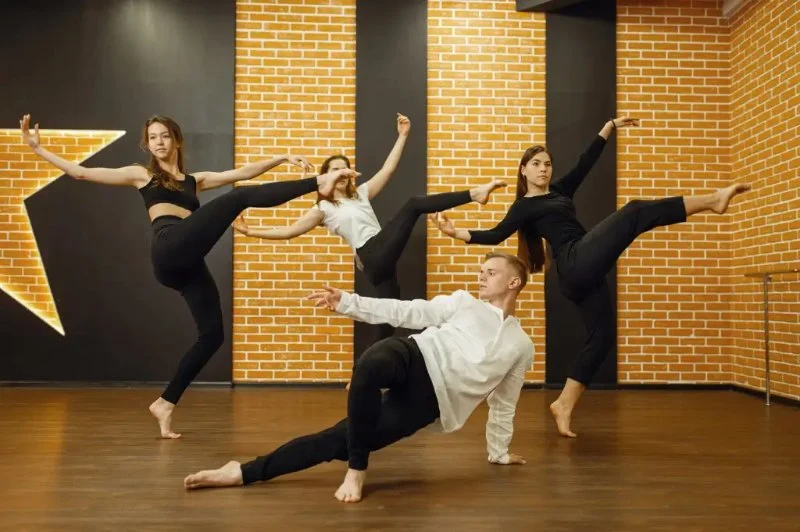
Contemporary dance is a dynamic and expressive form of dance that blends elements from various dance styles, often incorporating modern, ballet, and jazz techniques. Unlike traditional dance forms, contemporary dance encourages individuality and freedom of movement, focusing on the dancer's personal expression and interpretation of music.
In Contemporary Dance Explained: Step by Step, we'll break down the essential components of contemporary dance, help you understand its techniques, and explore how you can get started in this exciting and ever-evolving art form.
1. Origins of Contemporary Dance
Contemporary dance emerged in the early 20th century as a response to the rigid structures of classical ballet. Innovators like Martha Graham, Isadora Duncan, and Merce Cunningham sought to break free from traditional forms, paving the way for the flexibility and creativity seen in contemporary dance today.
2. Characteristics of Contemporary Dance
Contemporary dance is marked by its flexibility, varied movement styles, and emphasis on improvisation. Unlike classical ballet, which focuses on strict posture and alignment, contemporary dance allows dancers to move freely and use the floor as an integral part of their performance.
Key Contemporary Dance Techniques
Contemporary dance is a fusion of different movement techniques that help dancers develop their artistic expression. Understanding these core techniques is essential for anyone looking to master this dynamic dance style.
3. Modern Dance Techniques
Modern dance, one of the key components of contemporary dance, emphasizes fluidity and the use of gravity. It was pioneered by dancers like Martha Graham and Doris Humphrey and incorporates techniques that use the floor, weighted movements, and the concept of contraction and release.
3.1 Contraction and Release
This technique focuses on the dancer’s ability to contract and release their muscles, creating tension and relaxation within movements. It’s essential for building emotional expression and drama in contemporary dance.
3.2 Use of the Floor
Contemporary dancers often use the floor to enhance movement dynamics, incorporating rolls, slides, and transitions to and from the ground. This creates a sense of groundedness and connection with the earth.
4. Ballet Influence in Contemporary Dance
While contemporary dance breaks from the structure of classical ballet, it still borrows certain elements such as alignment, strength, and posture. Ballet training is often used to develop core strength and control, which is crucial for mastering many contemporary dance movements.
5. Improvisation and Creativity
Improvisation plays a significant role in contemporary dance. Dancers are encouraged to explore and develop their own movements, allowing for a deep personal connection to the music and space. This creative freedom is one of the defining features of contemporary dance.
Different Styles in Contemporary Dance
Contemporary dance encompasses a variety of styles that reflect different schools of thought, physical techniques, and artistic expressions. Here are some of the most popular styles within contemporary dance:
6. Contemporary Ballet
Contemporary ballet blends the classical foundation of ballet with modern movements and expressions. It retains many of the traditional ballet positions and techniques but incorporates freer, more fluid movement, often paired with contemporary music.
7. Lyrical Dance
Lyrical dance combines elements of ballet and jazz and emphasizes emotional expression through movement. It tells a story through music and dance, focusing on lyrical interpretation and fluidity.
8. Jazz Dance
Jazz dance is characterized by its energetic, rhythmic movements, often performed to upbeat jazz music. In contemporary dance, jazz influences bring a dynamic, playful edge to choreography.
How to Get Started with Contemporary Dance
If you’re ready to dive into the world of contemporary dance, here are a few steps to help you get started:
9. Find a Class or Instructor
Look for local dance studios or online platforms offering contemporary dance classes. A skilled instructor can guide you through the basics of the style and help you build a solid foundation.
10. Practice Regularly
Like any other dance form, contemporary dance requires regular practice. Set aside time each week to work on flexibility, strength, and technique. Start with basic moves and gradually challenge yourself to explore more complex patterns.
11. Explore Your Creativity
Contemporary dance thrives on creativity, so don't be afraid to experiment with different movements and choreography. You can also practice improvisation exercises, which will help develop your personal style.
Tips for Improving Your Contemporary Dance Skills
As with any skill, becoming proficient in contemporary dance takes time and effort. Here are a few tips to accelerate your learning and improve your technique:
12. Work on Flexibility
Flexibility is key in contemporary dance, enabling you to execute fluid movements and jumps. Incorporate daily stretching into your routine to improve your range of motion.
13. Build Core Strength
Core strength is essential for control and balance in contemporary dance. Regular exercises like Pilates or yoga can help improve your core strength and stability.
14. Watch Performances
Watching professional contemporary dancers can inspire and inform your practice. Pay attention to their movement quality, emotional expression, and choreography choices. Attend performances, watch dance videos, or follow dancers online to stay connected to the art form.
15. Get Feedback
Constructive feedback is vital to improving your dance skills. Work with an instructor or fellow dancers to receive guidance and tips that can help you refine your technique.
Real User Experience: Emily’s Journey with Contemporary Dance
Emily, a beginner in contemporary dance, shares her experience of starting from scratch. After attending a few introductory classes, she struggled with balance and flexibility. Over time, with consistent practice and a focus on strength training, Emily began to feel more connected to her body and the music. Today, she performs her own choreographed pieces, showcasing the emotional depth and creativity that contemporary dance allows.
If you’re interested in taking your contemporary dance journey to the next level, check out the expert recommendations and resources at American Dance Academy for classes, accessories, and professional guidance.
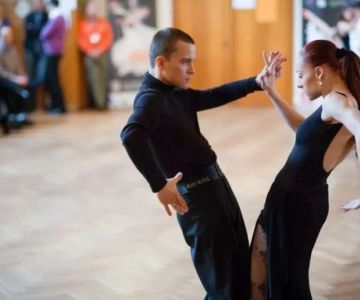
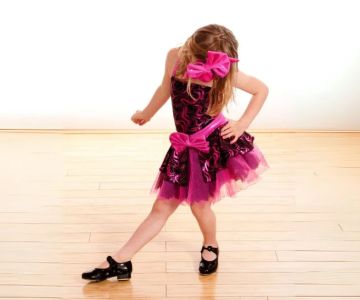
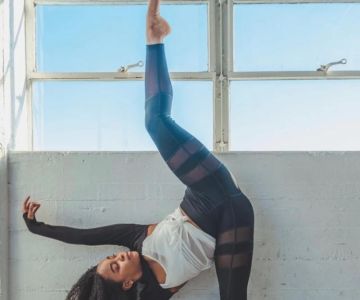
 Tangent Gallery & Hastings Street Ballroom4.0 (242 reviews)
 Leclu Music & Art School4.0 (56 reviews)
 Rockwall Acting Studio4.0 (9 reviews)
 Broadway Performing Arts5.0 (40 reviews)
 A Dancer's Place0.0 (0 reviews)
 All About Dance by Katye5.0 (17 reviews)
 Did the Dance Moms Girls Go to School? Insights into Their Education
 Do You Have a Dance in Middle School? What to Expect and Why It Matters
 Can California Public Schools Charge Students to Attend Dances
 Are School Dances Overrated? Exploring the Pros and Cons
 Do Schools in Taiwan Have Dances? A Cultural Look at Student Life
 Samba for Couples: Common Mistakes to Avoid