
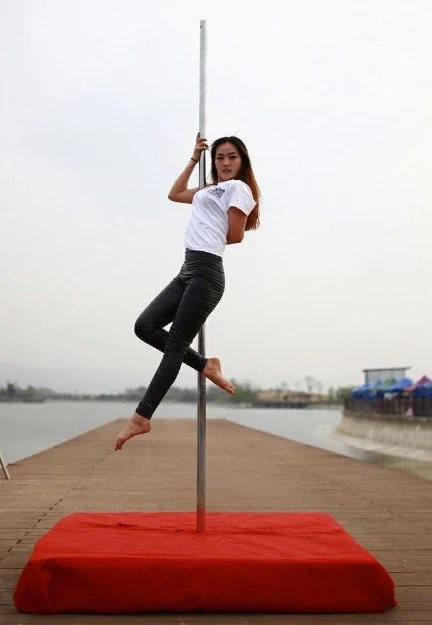
Pole Dance Step by Step Guide: Tips from Experts
Pole dancing has evolved from its early association with strip clubs to become a celebrated fitness activity embraced by people of all ages and skill levels. Whether you're interested in pole dancing for fitness, fun, or performance, mastering the basics is key to advancing your skills. This step-by-step guide will provide you with expert tips to help you get started with pole dancing and improve your technique, all while ensuring that you practice safely and effectively.
- 1 - Why Pole Dance?
- 2 - Essential Pole Dance Skills to Learn First
- 3 - Step-by-Step Guide to Pole Dance
- 4 - Common Pole Dance Mistakes to Avoid
- 5 - When to Seek Professional Training
1. Why Pole Dance?
Pole dancing offers a range of physical and mental benefits, making it an excellent workout option for people of all fitness levels. Here are some reasons why you might want to consider incorporating pole dancing into your fitness routine:
1.1. Full-Body Workout
Pole dancing is a fantastic full-body workout that engages your core, arms, legs, and back muscles. It helps improve flexibility, strength, and coordination while toning your body.
1.2. Boosts Confidence and Body Positivity
Learning pole dance routines can significantly boost your self-confidence and help you develop a greater sense of body awareness. It’s not just about the physical aspect; it’s also about embracing your strength and ability to perform movements that you may have never thought possible.
1.3. Fun and Engaging
Unlike traditional gym workouts, pole dancing is dynamic and fun. It combines elements of dance, acrobatics, and strength training, keeping your workouts exciting and challenging.
2. Essential Pole Dance Skills to Learn First
Before jumping into complex routines, it's important to learn the basic skills that will form the foundation for more advanced moves. These skills are crucial for both safety and technique:
2.1. Grip and Hand Placement
One of the first things you’ll need to master is how to hold the pole. The correct grip allows you to maintain control while performing spins, climbs, and tricks. Practice different hand grips like the standard grip (both hands palm-down) and the reverse grip (one hand palm-up). Ensure your hands are clean and dry to avoid slipping.
2.2. Pole Spins
Spinning is a fundamental pole dancing technique. You can start by learning simple spins like the fireman spin and the chair spin. These moves will help you develop control over your body while building upper body strength.
2.3. Climbing and Inverting
Climbing the pole is an essential skill, as it allows you to perform more dynamic tricks. Start with basic climbs, and work your way up as you gain strength. Inversions (turning upside down on the pole) can be challenging but are vital for more advanced routines. Practice safe techniques to ensure you build strength progressively.
3. Step-by-Step Guide to Pole Dance
Now that you know the foundational skills, here’s a step-by-step guide to help you get started with pole dancing:
3.1. Warm Up and Stretch
Before starting any pole dance session, always warm up your muscles. Perform dynamic stretches to prepare your body for the physical demands of pole dancing. Focus on stretching your shoulders, arms, back, and legs to improve flexibility and reduce the risk of injury.
3.2. Practice Basic Spins and Grips
Start with basic spins like the fireman spin. Begin by holding the pole with both hands and use your legs to propel your body into a spin. Once you’re comfortable with spins, move on to perfecting your grips, ensuring you maintain a firm hold on the pole without straining your wrists or fingers.
3.3. Learn Basic Transitions
Transitions are the movements that connect one pole trick to another. Mastering smooth transitions will make your routines flow better and appear more polished. Practice transitioning from one spin to another or from the floor to a standing position without losing momentum.
3.4. Cool Down and Stretch
After your practice session, it’s important to cool down and stretch again. This helps prevent muscle soreness and improves flexibility. Focus on deep stretches that target the areas you’ve worked on, such as your back, legs, and shoulders.
4. Common Pole Dance Mistakes to Avoid
When learning pole dancing, it’s important to avoid common mistakes that could hinder your progress or cause injury:
4.1. Using Incorrect Grip
Using the wrong grip or over-gripping the pole can lead to muscle strain or slipping. Focus on developing a secure but relaxed grip, allowing your body to engage with the pole while maintaining control.
4.2. Ignoring Core Engagement
Your core is crucial for balance and stability. Many beginners forget to engage their core muscles while performing spins and tricks, which can lead to instability. Always focus on tightening your core to keep movements controlled.
4.3. Skipping Warm-ups or Cool-downs
Neglecting warm-ups and cool-downs can increase the risk of injury. Take the time to properly stretch and prepare your muscles before starting your pole dance routine, and cool down afterward to reduce muscle soreness.
5. When to Seek Professional Training
While learning on your own is great, professional training can accelerate your progress and help you avoid bad habits. If you’re serious about pole dancing or want to improve your skills quickly, consider joining a class or getting private lessons. A qualified instructor can provide personalized feedback and ensure you’re learning correct techniques.
To start your pole dancing journey, check out American Dance Academy for expert-led classes, gear recommendations, and more tips to help you succeed in pole dance. Their experienced instructors can guide you every step of the way, from basic spins to advanced tricks.



 Dance Works4.0 (12 reviews)
 Showtime Dance Gymnastics and Cheer5.0 (7 reviews)
 Noreen’s Dance Collaborative5.0 (2 reviews)
 Ballroom Dance With Us5.0 (18 reviews)
 Ensemble Ballet Theatre5.0 (7 reviews)
 Acton School of Ballet4.0 (15 reviews)
 How to Master Tango for College Students
 How a Video of School Dance Becomes a Lasting Memory
 Do Students Go to School Dances Anymore?
 Do Lowell Area Schools Have a Dance Program? Here’s What to Know
 Do You Have a Dance in Middle School? What to Expect and Why It Matters
 Discovering the Cultural Origins of Line Dance and Its Global Impact