
- 1. Introduction to Ballet and Flexibility
- 2. How Ballet Enhances Flexibility
- 3. Key Ballet Techniques for Improving Flexibility
- 4. Why Ballet is Popular for Flexibility
- 5. How to Get Started with Ballet for Flexibility
- 6. Conclusion
1. Introduction to Ballet and Flexibility
Ballet is not only a beautiful form of art but also a fantastic workout for improving flexibility. This dance form emphasizes balance, strength, and graceful movement, but it also involves a range of stretches and positions that can help increase flexibility. Whether you're a seasoned dancer or a beginner, ballet can be a fun and effective way to enhance your flexibility.
2. How Ballet Enhances Flexibility
Flexibility is the ability of a muscle to stretch and move freely through its full range of motion. Ballet is a unique form of exercise that uses dynamic and static stretches to gradually increase flexibility. The combination of controlled movements, stretching, and holding certain positions helps lengthen the muscles and improve joint mobility. By consistently practicing ballet, you'll notice that your muscles become more flexible, leading to better overall movement and posture.
2.1 Dynamic vs. Static Stretching in Ballet
In ballet, both dynamic and static stretches play important roles in enhancing flexibility. Dynamic stretching involves moving your muscles through a full range of motion to prepare them for physical activity, while static stretching is done by holding a stretch for an extended period. Ballet incorporates both types of stretching, helping dancers achieve a balanced level of flexibility.
2.2 The Role of Ballet Movements in Flexibility
Ballet incorporates a wide range of movements such as pliés, grand battements, and arabesques, which require flexibility in the hips, legs, and back. These movements, combined with targeted stretching exercises, are designed to progressively lengthen the muscles and increase their elasticity, improving flexibility over time.
3. Key Ballet Techniques for Improving Flexibility
There are several key ballet techniques that are especially effective in improving flexibility:
3.1 Plié
The plié is one of the most fundamental movements in ballet. It involves bending the knees while keeping the torso upright. This movement stretches the hips, knees, and ankles, helping to improve lower body flexibility.
3.2 Arabesque
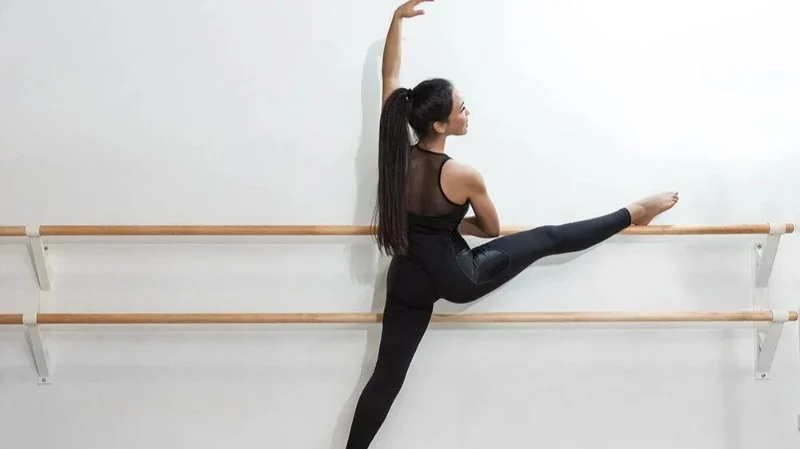
The arabesque position requires dancers to extend one leg behind them while balancing on the other leg. This stretch targets the back, hips, and legs, promoting flexibility in the entire lower body.
3.3 Grand Battement
The grand battement is a high, powerful kick of the leg, which helps stretch the hip flexors and legs. Regular practice of this movement can significantly improve flexibility in the hips, hamstrings, and quadriceps.
4. Why Ballet is Popular for Flexibility
Ballet has long been celebrated for its ability to improve flexibility, but why is it so effective compared to other forms of exercise? Ballet focuses on controlled movements and stretching that specifically target muscles, encouraging greater range of motion. Unlike other workouts that may focus more on strength or endurance, ballet is designed to stretch and strengthen muscles simultaneously. This makes it an ideal choice for those looking to enhance flexibility and improve overall body movement.
4.1 Ballet's Full-Body Approach
Unlike other activities that might focus only on specific areas of the body, ballet provides a full-body workout. This means that muscles throughout the body are stretched and strengthened, leading to balanced flexibility and improved posture.
4.2 Dancers' Flexibility as Inspiration
Watching professional dancers demonstrates the potential of ballet to improve flexibility. Dancers are known for their incredible flexibility, which is achieved through years of ballet training and consistent stretching exercises. Many people are inspired by the remarkable flexibility of ballet dancers and seek to achieve similar results.
5. How to Get Started with Ballet for Flexibility
If you’re looking to improve your flexibility through ballet, here are a few steps to get started:
5.1 Start with Basic Ballet Positions
Begin by learning basic ballet positions such as first and second position with your feet, as well as pliés and relevés. Mastering these movements will form a solid foundation for improving flexibility.
5.2 Incorporate Stretching into Your Routine
In addition to ballet movements, make sure to include dedicated stretching exercises. Focus on stretching your hamstrings, quads, and hip flexors, as these are key areas that contribute to flexibility in ballet.
5.3 Join a Ballet Class or Use Online Resources
If you're serious about improving your flexibility through ballet, consider joining a local ballet class or finding online tutorials. Ballet teachers can guide you through exercises and provide feedback to ensure you are stretching properly and effectively.
6. Conclusion
Ballet is a powerful and enjoyable way to improve flexibility, offering both physical and mental benefits. The various stretches, movements, and techniques used in ballet target key muscle groups and enhance overall flexibility. Whether you are a beginner or a seasoned dancer, ballet can help you achieve greater range of motion and a more balanced body. If you're looking to get started, visit [American Dance Academy] for classes and resources to help you on your journey to improved flexibility.




 Studio 335.0 (3 reviews)
 North Harris Performing Arts5.0 (12 reviews)
 EVIDENCE, A Dance Company5.0 (3 reviews)
 The Kiz Collective0.0 (0 reviews)
 Lyrique Dance5.0 (23 reviews)
 Janicka A. Arthur | Adult Beginner Ballet5.0 (39 reviews)
 The History of Waltz for Seniors
 Bollywood Dance Styles to Try in 2025 – A Complete Guide
 De Braam School of Dance & Theatre Arts: Where Talent Meets Excellence
 Pole Dance Step by Step Guide: Master the Basics and Advanced Moves
 The History of Hip Hop for Beginners – Learn the Roots with American Dance Academy
 Why Swing Dance Is Popular for Adults